Zero Gravity vs Standard Recliner: Which Is Right for You?
Compare mechanism, comfort, health benefits, and space requirements to choose the perfect recliner for your home.
EXPLORE RECLINER GUIDESQuick Answer: A standard recliner lifts your legs and reclines your back to a moderate angle. A zero gravity recliner goes further by elevating your legs above heart level and tilting your torso back, mimicking the weightless posture used by NASA astronauts. The right choice depends on your comfort goals, available space, and whether you want therapeutic benefits or simple relaxation.
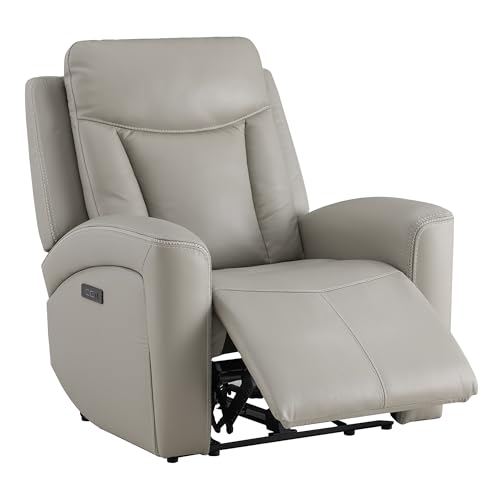
What Is a Standard Recliner?
A standard recliner is the classic relaxation chair most people picture when they hear the word "recliner." It uses a mechanical linkage—either manual (lever or push-back) or powered (motorized)—to lift the footrest and recline the backrest to a comfortable angle. The typical recline range is around 100 to 140 degrees, and the footrest rises to roughly knee height or slightly above.
Standard recliners are available in a wide range of configurations, from a single swivel recliner to a full 3-seater recliner sofa. They work well for everyday lounging, watching television, reading, or napping. If you want a reliable, space-friendly option with a familiar feel, a standard recliner is often the practical choice. For a deeper look at manual versus powered options, see our power vs manual recliner comparison.
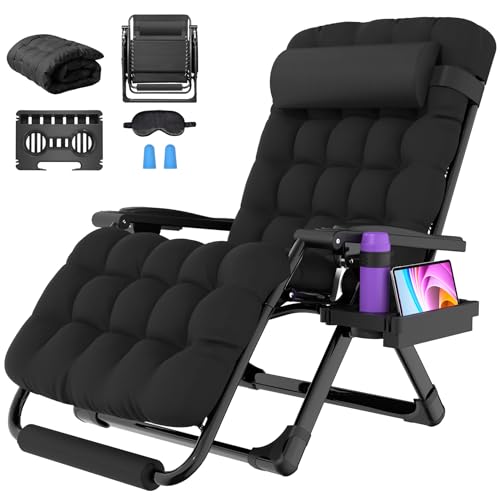
What Is a Zero Gravity Recliner?
A zero gravity recliner is designed to position your body in a state of near-weightlessness. The mechanism lifts your legs above the level of your heart while simultaneously tilting your torso back, typically to an angle between 120 and 140 degrees. This posture—often called the "zero gravity position"—was originally studied by NASA to reduce stress on astronauts' bodies during launch.
The result is a recliner that distributes your body weight more evenly, reduces pressure on the lower back, and promotes better circulation. Many zero gravity models are powered and include features like adjustable lumbar support, headrest adjustment, and even massage and heat therapy. They are often chosen by people who want more than just a place to sit—they want a chair that actively supports recovery and relaxation.
Key Differences at a Glance
The table below summarizes the most important differences between zero gravity and standard recliners. Use it as a quick reference before diving into the details.
| Feature | Standard Recliner | Zero Gravity Recliner |
|---|---|---|
| Recline Angle | Approximately 100–140 degrees | Approximately 120–140 degrees with elevated legs |
| Leg Position | Footrest lifts to knee height or slightly above | Legs elevated above heart level |
| Body Weight Distribution | Concentrated on hips and lower back | Evenly distributed across the body |
| Space Requirement | Moderate; wall-hugger models need minimal clearance | Often needs more wall clearance and floor space |
| Mechanism Complexity | Simple linkage; easy to maintain | More complex geometry; may require more maintenance |
| Typical Power Options | Manual and powered versions widely available | Mostly powered; some manual models exist |
| Best For | Everyday lounging, reading, TV watching | Therapeutic relaxation, back support, recovery |
Comfort & Health Benefits
Both recliner types offer comfort, but they serve different needs. A standard recliner is excellent for casual relaxation. It supports your back and elevates your legs enough to take pressure off your feet and knees. For many people, that is all they need.
A zero gravity recliner takes comfort a step further by targeting deeper physiological benefits. When your legs are elevated above heart level, blood flows more easily back to your heart, which can reduce swelling in the lower legs and improve circulation. The tilted torso position also reduces compression on the spinal discs, which is why some people with back discomfort find zero gravity recliners more supportive.
That said, zero gravity recliners are not a medical device. If you have a specific health condition, consult a healthcare professional before choosing a recliner for therapeutic purposes. For general comfort optimization, explore our comfort and setup hub for tips on seat depth, footrest positioning, and weight capacity.
Standard Recliner — Pros
- Simple mechanism, easy to repair
- Less space required
- Wide range of styles and upholstery
- Often more affordable at entry-level tiers
- Manual options work without electricity
Zero Gravity Recliner — Pros
- Reduces pressure on lower back
- Improves lower-leg circulation
- Promotes deeper relaxation
- Often includes massage and heat
- Ideal for recovery and therapeutic use
Space & Room Requirements
One of the most practical differences between these two recliner types is how much room they need. A standard recliner—especially a wall-hugger model—can often be placed just a few inches from the wall. This makes it a good fit for apartments, small living rooms, and tight layouts.
A zero gravity recliner typically requires more clearance because the mechanism extends the leg rest further and the backrest tilts more deeply. Some models need a foot or more of space behind the chair. Before buying, measure your room carefully and check the manufacturer's recommended clearance. Our room measurement guide and living room layout guide can help you plan the perfect placement. If space is tight, consider a wall hugger vs standard recliner comparison to see whether a space-saving standard model might suit you better.
Mechanism & Durability
The mechanism is the heart of any recliner. Standard recliners use a relatively simple linkage system that has been refined over decades. This simplicity makes them easier to maintain and repair. Replacement parts are widely available, and many standard recliners last for years with basic care. For maintenance tips, see our mechanism repair guide and squeak fix guide.
Zero gravity recliners use a more complex mechanism to achieve their signature position. This complexity can mean more moving parts and, potentially, more maintenance over time. However, a well-built zero gravity recliner from a reputable brand with a hardwood or metal frame and a quality motor can be just as durable as a standard recliner. The key is to focus on build quality rather than the type alone.
If you choose a powered model, consider a battery backup so you can still operate the chair during a power outage. And for cable organization, our cable management guide can help keep your setup tidy.
Who Should Choose Which?
There is no single "best" recliner type—only the best fit for your situation. Here is a simple breakdown to help you decide.
Choose a Standard Recliner If You:
- Want a straightforward, reliable lounging chair
- Have limited space or need a wall-hugger design
- Prefer a manual mechanism that does not rely on electricity
- Are shopping on a budget-friendly or entry-level tier
- Want a wide selection of upholstery and color options, such as microfiber or linen
Choose a Zero Gravity Recliner If You:
- Want deeper relaxation and pressure relief
- Experience lower back discomfort after long periods of sitting
- Want features like massage, heat, or adjustable lumbar support
- Have enough space for a deeper recline and extended leg rest
- Are willing to invest in a mid-range or premium tier model for therapeutic benefits
If you are still unsure, our first recliner sofa checklist and recliner buying mistakes guide can help you avoid common pitfalls. You may also want to explore highest-rated recliners and editor's choice recliners for inspiration.
Final Verdict
Which One Wins?
For pure therapeutic comfort: A zero gravity recliner is the clear winner. Its elevated-leg, tilted-torso position offers benefits that a standard recliner simply cannot match.
For everyday practicality: A standard recliner is often the smarter choice. It takes up less space, costs less at entry-level tiers, and is easier to maintain.
Best of both worlds: Some modern recliners combine zero gravity positioning with wall-hugger clearance, giving you therapeutic benefits without sacrificing floor space. Look for models that advertise "zero wall" or "space-saving" zero gravity mechanisms.
Whichever you choose, prioritize build quality. A well-made recliner from a reputable brand—whether standard or zero gravity—will serve you far better than a poorly constructed one, regardless of the mechanism type.
Ready to Find Your Perfect Recliner?
Explore our curated recliner recommendations and buyer's guides to make a confident purchase.
BROWSE RECLINER GUIDESFrequently Asked Questions
What is the main difference between a zero gravity and a standard recliner?
A standard recliner typically lifts only the footrest and reclines the backrest to a limited angle. A zero gravity recliner goes further, elevating the legs above heart level and tilting the torso back significantly, mimicking the weightless posture used by NASA astronauts. This redistributes body weight and reduces pressure on the spine.
Are zero gravity recliners better for back pain?
Many users find zero gravity recliners helpful for back pain because they reduce spinal compression and improve circulation. However, individual results vary. If you have a specific medical condition, consult a healthcare professional before choosing a recliner for therapeutic purposes.
Do zero gravity recliners take up more space?
Zero gravity recliners often require more wall clearance and floor space because they recline deeper and extend the leg rest further. If space is limited, look for wall-hugger or zero-wall models that minimize clearance requirements, and always check the manufacturer's recommended clearance.
Can a standard recliner be converted into a zero gravity recliner?
No, the two mechanisms are fundamentally different. A standard recliner's linkage is designed for a limited recline and footrest lift. A zero gravity mechanism uses a different geometry to achieve the elevated-leg, tilted-torso position. Converting is not practical or safe.
Which type of recliner is more durable?
Durability depends more on the frame material, mechanism quality, and motor (if powered) than on whether it is zero gravity or standard. A well-built standard recliner from a reputable brand can outlast a poorly made zero gravity model. Focus on hardwood or metal frames and quality mechanisms regardless of type.