
Recliner Armrest Guide: Types, Materials & Comfort Tips
Everything you need to know about recliner armrests — from padded and pillow-top designs to storage, cup holder, and adjustable options that shape your daily comfort.
EXPLORE ARMREST TYPESWhy the armrest deserves your attention: When you research a recliner, the mechanism, upholstery, and seat depth usually get all the spotlight. Yet the armrest is the component your forearms, elbows, and wrists rest on for hours at a time. A well-designed armrest reduces shoulder tension, supports reading and device use, and quietly improves how naturally you settle into your seat. This guide breaks down every armrest type, the materials that hold up over time, and the measurements that make the difference between "comfortable" and "perfect."
What a Recliner Armrest Actually Does
An armrest is more than a padded ledge. In a recliner, it performs several structural and ergonomic jobs at once. First, it supports the weight of your forearms and helps keep your shoulders in a relaxed, neutral position rather than letting them roll forward. Second, it acts as a structural brace for the frame, which is why armrest construction is often a clue to overall build quality — a solid hardwood recliner frame or metal recliner frame usually pairs with a firmly anchored armrest.
Third, on many models the armrest houses the controls: the lever for a manual mechanism, the buttons for a power recliner, or the handset for a massage recliner. That makes the armrest a functional hub, not just a cushion. Finally, the armrest defines the visual silhouette of the chair. A rolled, traditional armrest reads differently from a crisp track arm, and that single detail changes how the recliner fits into your room. If you are still deciding on the broader category, our recliner comfort and setup hub is a useful companion to this page.
The Main Recliner Armrest Types
Armrest designs fall into a handful of recognizable families. Most recliners combine one or two of these features, and understanding them makes showroom browsing far faster.
Standard Padded Armrest
The most common design. A foam-filled cushion wrapped in the same upholstery as the rest of the chair. Provides reliable forearm support and blends into almost any decor. Comfort depends heavily on foam density and whether a high density foam recliner filling was used.
Pillow-Top Armrest
An extra layer of soft filling sits on top of the base cushion, creating a plush, sink-in feel. Excellent for lounging and reading. The trade-off is that very soft pillow tops can compress over time, so quality of filling matters more here than in any other design.
Adjustable Armrest
Height or angle can be changed to match your seated posture. Particularly valuable if multiple people of different heights share the recliner, or if you use the chair for both upright work and fully reclined relaxation. Adjustable designs pair well with a recliner headrest adjustment guide approach to full-body positioning.
Storage Armrest
A hinged lid conceals a compartment for remotes, magazines, glasses, or charging cables. Practical for home theater setups and small living rooms where side tables are tight. Storage models often sacrifice some padding, so test the feel before committing.
Cup Holder Armrest
Built-in recessed holders keep drinks secure while you recline. Common on home theater recliner seating and sectional configurations. Look for removable or easy-clean inserts, since spills are inevitable.
Integrated Console Armrest
A wide armrest that doubles as a center console, typically found on recliner sectional sofas and recliner loveseats. Offers the most storage and utility but adds width, so it suits larger rooms.
Track and Flare Armrest
Track arms are slim and vertical for a modern look; flared arms curve outward for a softer, traditional feel. Neither adds storage, but both change the visual weight of the chair significantly.
Heated or Massaging Armrest
Some high-end models embed heat pads or massage nodes in the armrest. These are usually paired with full-body massage systems and are worth considering if therapeutic relief is a priority.
Armrest Materials and How They Age
Because your arms rest directly on the surface, armrest upholstery wears faster than almost any other part of a recliner. The material you choose determines how it feels on day one and how it looks after several years of daily use.
Leather and leather alternatives. A full grain leather recliner armrest develops a natural patina and resists odors, but it needs conditioning to avoid drying and cracking. Top grain leather offers a similar feel with slightly less durability, while bonded leather and faux leather are more budget-friendly but more prone to peeling at high-contact points like the armrest top. Our leather recliner upholstery guide explains the differences in depth.
Fabric options. Microfiber is soft and stain-resistant, making it a strong armrest choice in family homes. Linen looks elegant but shows wear and wrinkles faster. Velvet feels luxurious though it can crush at pressure points. If durability is the priority, a performance fabric recliner or a tightly woven fabric recliner will hold up best against daily forearm contact.
Color and finish. Armrests are where fading and soiling first become visible. A neutral recliner color hides everyday wear better than a bold recliner color. A two-tone recliner design, where the armrest contrasts with the body, can actually be a smart move because it frames the wear area as a deliberate design feature.
Armrest Type Comparison at a Glance
| Armrest Type | Best For | Comfort Level | Maintenance |
|---|---|---|---|
| Standard Padded | Everyday lounging, general living rooms | Reliable, moderate | Easy — routine cleaning |
| Pillow-Top | Reading, long relaxation sessions | High, plush | Moderate — filling may compress |
| Adjustable | Shared seating, varied postures | High, customizable | Moderate — check hardware |
| Storage | Home theater, small rooms | Moderate, less padding | Easy — clean compartment |
| Cup Holder | Entertaining, movie nights | Moderate | Easy — removable inserts |
| Integrated Console | Sectionals, large living rooms | High with utility | Easy to moderate |
| Heated / Massaging | Therapeutic relief, wellness focus | Very high | Higher — electrical care needed |
Armrest Sizing, Height, and Fit
An armrest that is too high forces your shoulders upward; one that is too low lets your arms hang and pulls on your neck. The general guideline is that the top of the armrest should sit within one to two inches of your seated elbow height. Measure from the floor to your elbow while sitting in a chair with your shoulders relaxed, then compare that to the armrest height of the recliner you are considering.
Width matters too. Narrow track armrests free up more seat width, which is helpful in a 3-seater recliner sofa where every inch counts. Wide armrests feel more enclosed and supportive but reduce usable seating space. If you are planning the whole room, our recliner room measurement guide and recliner living room layout guide help you translate armrest dimensions into a practical floor plan.
Armrest height also interacts with the rest of the chair. A recliner seat depth guide will show you how seat depth and armrest position work together to support your posture, while a recliner lumbar support guide covers the lower-back side of the same equation. For larger users, the recliner weight capacity guide explains why armrest construction and frame strength are closely linked.
Armrest Buying Checklist
Before you commit to a recliner, run through these points. They take only a few minutes but prevent the most common post-purchase regrets.
- Measure your seated elbow height and compare it to the armrest height in the upright position.
- Decide whether you need storage, a cup holder, or charging ports in the armrest.
- Check the padding density — press firmly and see whether the foam springs back quickly.
- Confirm the upholstery type and how it handles cleaning; leather needs conditioning, fabric needs spot cleaning.
- Test any adjustable or powered armrest controls for smooth, quiet operation.
- Verify that the armrest houses the recliner controls comfortably for your hand size and reach.
- Confirm wall clearance and pathway width so the armrests do not block traffic flow.
- Review the warranty coverage for frame, padding, and any electronic armrest components.
If this is your first recliner purchase, the first recliner sofa checklist expands each of these points into a full buying framework. It is also worth reading the recliner buying mistakes article, since armrest-related oversights — wrong height, insufficient padding, or a storage compartment that never gets used — appear on that list frequently.
Caring for Recliner Armrests
Because armrests take constant contact from skin, clothing, and sometimes food or drink, they need slightly more attention than the rest of the chair. For leather armrests, wipe with a soft damp cloth and apply a conditioner periodically to prevent drying — the leather recliner cleaning guide and recliner conditioning guide cover the correct products and intervals. For fabric armrests, the fabric recliner cleaning guide explains how to lift stains without damaging the weave, and the recliner stain removal guide handles the inevitable spills.
Odors tend to concentrate in armrest padding, especially in humid climates. The recliner odor removal guide and recliner humidity care guide offer practical solutions. If you notice squeaks or looseness developing near the armrest, the recliner squeak fix guide and recliner mechanism repair guide can help you diagnose whether the issue is the armrest anchor or the mechanism itself. For older chairs, a recliner reupholstery guide shows how to refresh worn armrest surfaces rather than replacing the whole recliner.
Seasonal care matters as well. A recliner summer heat protection plan keeps leather armrests from sticking and cracking in hot weather, while recliner winter moisture control prevents dampness from settling into fabric padding. If your recliner sits near a window, the recliner sunlight fade prevention article explains how to slow color loss on the armrest top, which is usually the first surface to fade.
Frequently Asked Questions About Recliner Armrests
What is the most comfortable recliner armrest type?
Padded and pillow-top armrests are generally considered the most comfortable because they distribute pressure across the forearm and elbow. Models with adjustable height or angle offer even better ergonomic support for long sitting sessions, since they can be tuned to your exact posture.
Are storage armrests worth it on a recliner?
Storage armrests are worth it if you want to keep remotes, magazines, or charging cables within reach without adding side tables. They add convenience but usually reduce the amount of padding, so comfort-focused buyers may prefer standard padded armrests instead.
How do I measure recliner armrest height correctly?
Measure from the floor to the top surface of the armrest while the recliner is in the upright position. Compare this to your seated elbow height; the armrest should sit within one to two inches of your elbow for optimal support.
Can recliner armrests be repaired or replaced?
Yes. Many armrests can be reupholstered, re-padded, or refinished, and some modular recliners allow complete armrest replacement. Check whether your model uses a bolt-on or integrated armrest before planning a repair.
Do cup holder armrests fit standard cups?
Most cup holder armrests are designed around standard tumbler and can diameters. If you regularly use oversized bottles or travel mugs, measure the holder opening or look for models with removable inserts that accommodate larger containers.
Continue Exploring Recliner Comfort
The armrest is one piece of a larger comfort system. If you found this guide useful, the next logical steps are understanding the recliner footrest guide and the recliner footrest position guide, which cover the lower-body half of the ergonomic picture. For powered models, the recliner motor guide and recliner remote control guide explain the components that often live inside the armrest itself.
If you are comparing chair styles, the swivel recliner guide and glider recliner guide both discuss how armrest design changes when the base moves. And if you are furnishing a larger space, the modular recliner sofa guide shows how armrests function as connection points between modules.
When you are ready to compare specific models, browse our highest rated recliners, editor's choice recliners, and community favorite recliners. For budget planning by tier rather than price, see the affordable recliner picks, mid-range recliner picks, and luxury recliner collections.
Recommended Recliners with Quality Armrests
⚠️ AFFILIATE DISCLOSURE: This website contains affiliate links. As an affiliate Associate, we earn from qualifying purchases. If you make a purchase through these links, we may receive a small commission at no additional cost to you. Read our full affiliate policy.

AUVCAS Armchair Caddy for Recliner, Non Slip Sofa Arm Organizer, Deep Blue | 5-Pocket Recliner Armrest Organizer, Couch Side Storage Holder for Remotes, Cell Phone, Magazines & Tablets, Machine Washable
Check price on Amazon
Rboiye 2 PCS KD Clip Brackets for Recliners Sofa, Attach Backrest Armrest | Steel Brackets for Recliner Sofas
Check price on Amazon
AUVCAS Armchair Caddy for Recliner, Non Slip Sofa Arm Organizer, Dark Brown | 5-Pocket Recliner Armrest Organizer, Couch Side Storage Holder for Remotes, Cell Phone, Magazines & Tablets, Machine Washable
Check price on Amazon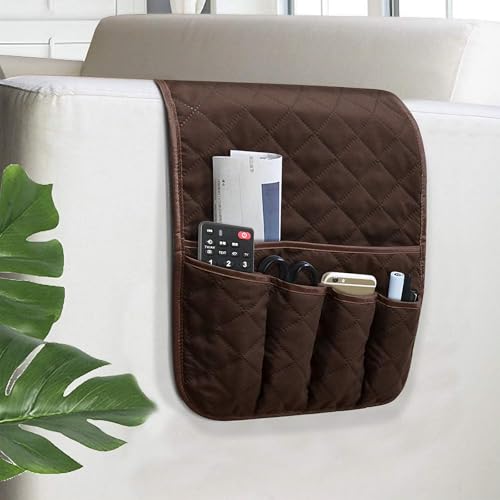
AUVCAS Armchair Caddy for Recliner, Non Slip Sofa Arm Organizer, Coffee | 5-Pocket Recliner Armrest Organizer, Couch Side Storage Holder for Remotes, Cell Phone, Magazines & Tablets, Machine Washable
Check price on Amazon