
Wall Hugger vs Standard Recliner: Which Is Right for You?
Discover the key differences in space requirements, comfort, and functionality to choose the perfect recliner for your living room layout.
SEE THE COMPARISONQuick Answer: The main difference between a wall hugger and a standard recliner is the amount of wall clearance required. A wall hugger recliner needs only a few inches of space behind it, making it ideal for small rooms and apartments. A standard recliner requires significantly more clearance to fully recline, but often provides a deeper, more expansive recline position. Your room layout and comfort priorities will determine the best choice.
Understanding the Core Difference
When you're shopping for a recliner, one of the most important decisions you'll make is choosing between a wall hugger and a standard model. This choice affects not only how the recliner fits in your room but also your overall comfort experience. Both types serve the same fundamental purpose — providing a comfortable seat that reclines — but their mechanisms work differently, and those differences have real-world implications for your living space.
A standard recliner uses a traditional mechanism that pushes the backrest backward and lifts the footrest forward. This design requires several inches of clearance behind the chair to accommodate the reclining motion. In contrast, a wall hugger recliner (sometimes called a "space saver" or "close-to-wall" recliner) uses a mechanism that slides the seat forward as the backrest reclines, allowing it to function with minimal wall clearance. This fundamental design difference is the starting point for every other comparison between the two.
If you're still exploring the broader world of recliner types, our recliner types guide provides a comprehensive overview. For those specifically interested in space-saving solutions, the wall hugger design is often the first recommendation for compact living spaces. You can also explore our dedicated wall hugger recliner guide for an in-depth look at this category.
Wall Hugger vs Standard Recliner: Side-by-Side Comparison
The table below summarizes the most important differences between these two recliner types. Use it as a quick reference as you read through the detailed explanations that follow.
| Feature | Wall Hugger Recliner | Standard Recliner |
|---|---|---|
| Wall Clearance Required | Typically 3–6 inches — minimal space needed | Typically 12–24 inches — significant space needed |
| Recline Mechanism | Seat slides forward while backrest reclines | Backrest pushes backward while footrest extends |
| Best For | Small rooms, apartments, RVs, tight layouts | Large living rooms, open spaces, dedicated relaxation areas |
| Recline Depth | Good, but sometimes less expansive than standard | Often deeper and more fully extended recline |
| Footrest Extension | Usually slightly shorter | Often longer and more supportive |
| Seat Comfort | Excellent — firm support with forward slide | Excellent — traditional reclining feel |
| Room Layout Flexibility | High — can be placed near walls or in corners | Moderate — requires dedicated clearance behind |
| Typical Price Tier | Mid-range to premium (mechanism is more complex) | Entry-level to luxury (wide range available) |
| Weight & Bulk | Often slightly heavier due to sliding mechanism | Varies widely by model and upholstery |
| Maintenance Complexity | Slightly higher — more moving parts | Lower — simpler mechanism |
Pros and Cons of Each Recliner Type
Every recliner design involves trade-offs. Understanding the advantages and disadvantages of each type will help you make a confident decision that matches your lifestyle and space.
Wall Hugger Recliner
- Requires minimal wall clearance — perfect for small rooms
- Ideal for apartments, condos, and RVs
- Can be placed in corners or near windows
- Sliding mechanism provides a smooth, stable recline
- Great for open-plan living where furniture placement is flexible
- Often available with power and manual options
- Modern designs blend seamlessly with contemporary decor
Wall Hugger Recliner (Cons)
- Usually more expensive than comparable standard models
- Recline depth may feel less expansive to some users
- Footrest may be shorter than on standard recliners
- Mechanism has more moving parts, potentially more maintenance
- Heavier than many standard recliners
- Less variety in extreme recline positions (e.g., full lay-flat)
Standard Recliner
- Widely available in every style, material, and price tier
- Often provides a deeper, more traditional recline experience
- Longer footrest extension for full leg support
- Simpler mechanism — easier to repair and maintain
- Typically more affordable at entry-level tiers
- Huge selection of designs, from classic to modern
- Excellent for dedicated home theater or relaxation rooms
Standard Recliner (Cons)
- Requires significant wall clearance — often 12–24 inches
- Not suitable for small rooms or tight layouts
- Cannot be placed directly against a wall
- May block walkways or traffic flow in compact spaces
- Limited placement options in open-plan living areas
- Backrest movement can feel abrupt in some budget models
Space Planning: The Deciding Factor
The amount of available space in your room is often the single most important factor in choosing between a wall hugger and a standard recliner. Before you make a decision, measure your room carefully and consider how you want to use the space.
For a standard recliner, you'll need to account for the full recline distance plus a safety margin. This means leaving at least 12 to 24 inches between the back of the recliner and the wall. In a small living room, that requirement can eliminate a significant portion of your usable floor space. If you're working with a compact layout, our recliner room measurement guide offers a step-by-step approach to planning your space accurately.
A wall hugger recliner, by contrast, needs only a few inches of clearance. This makes it possible to place the recliner against a wall, in a corner, or even in front of a window without blocking the view. For apartment dwellers and anyone with a small living room, this is a game-changer. If you're specifically looking for space-saving solutions, our small apartment recliner solutions article explores additional strategies for maximizing comfort in tight spaces.
It's also worth considering how the recliner interacts with other furniture. A standard recliner placed near a sofa or coffee table may create awkward gaps or block access when fully reclined. A wall hugger, with its forward-sliding motion, tends to integrate more smoothly into existing furniture arrangements. Our recliner living room layout guide provides detailed advice on arranging recliners with other seating and tables.
Comfort and Recline Experience
Comfort is subjective, but there are some general differences in how these two recliner types feel when you're seated.
Standard recliners are often praised for their traditional, enveloping recline. As the backrest pushes backward, your body sinks into the chair, and the footrest extends to support your legs. This motion can feel very natural and relaxing, especially in models with plush cushioning and lumbar support. The recline angle is often deeper, allowing you to lean back further. If you prioritize a full, immersive recline experience, a standard recliner may feel more satisfying.
Wall hugger recliners offer a different sensation. Because the seat slides forward as the backrest reclines, you maintain a more upright posture relative to the room. Some users find this motion feels more controlled and stable, while others may feel that the recline isn't as deep. The footrest on a wall hugger is often slightly shorter, which can affect leg support for taller users. However, many modern wall hugger models have refined their mechanisms to provide an excellent balance of comfort and space efficiency.
For a deeper exploration of comfort factors, including lumbar support and footrest positioning, visit our recliner comfort and setup hub. You may also want to read our guide on recliner lumbar support to understand how different recliner designs affect your back health.
Mechanism Differences and Durability
The mechanism is the heart of any recliner, and the two types use fundamentally different designs.
A standard recliner mechanism is relatively simple: a lever or button releases a spring-loaded or motorized system that pushes the backrest backward and extends the footrest. This simplicity makes standard recliners easier to repair and maintain over time. Replacement parts are widely available, and the mechanism itself is less prone to complex failures. If you're interested in learning more about mechanism care, our recliner mechanism repair guide is a valuable resource.
A wall hugger mechanism is more complex. It must simultaneously slide the seat forward while reclining the backrest, which requires additional tracks, pivots, and often a more robust frame. This complexity generally means wall hugger recliners are slightly heavier and may require more careful maintenance. However, a well-built wall hugger from a reputable brand can last just as long as a standard recliner with proper care. Our recliner care and maintenance hub covers best practices for keeping any recliner mechanism in top condition.
When evaluating durability, consider the quality of the frame and the smoothness of the mechanism. Premium wall hugger models often use high-grade steel mechanisms that operate quietly and smoothly for years. Entry-level standard recliners may use lighter materials, but their simpler design can still provide reliable service. For a broader understanding of what to look for, see our recliner spec glossary.
Power vs Manual: Does It Matter?
Both wall hugger and standard recliners are available in manual and power (motorized) versions. The choice between power and manual is independent of the wall hugger vs standard decision, but it's worth considering how these features interact.
Power recliners offer effortless operation with the touch of a button. They can also include features like USB charging ports, adjustable headrests, and memory positions. For a deep dive into this category, see our power vs manual recliner comparison and our power recliner sofa guide.
Manual recliners are typically lighter, require no electrical connection, and are often more affordable at entry-level tiers. They rely on a lever or handle to release the mechanism. If you're considering a manual wall hugger, be aware that the forward-sliding motion can require a bit more effort to initiate than a standard manual recliner. Power wall huggers eliminate this concern entirely, providing smooth, effortless operation.
For those concerned about power outages, our recliner battery backup guide explains how to keep your power recliner functional even when the electricity goes out. And if you're setting up a new power recliner, our recliner electrical setup guide walks you through the process.
Which Recliner Is Right for Your Space?
To make the best choice, consider your specific room, lifestyle, and comfort preferences. Here are some common scenarios and our recommendations.
Choose a Wall Hugger If...
You have a small living room, apartment, or RV. You want to place your recliner against a wall, in a corner, or near a window. You value flexible furniture arrangement and space efficiency. You're willing to invest in a slightly more complex mechanism for the benefit of saving space.
Choose a Standard Recliner If...
You have a large living room or dedicated relaxation space. You want the deepest, most expansive recline possible. You prefer a simpler mechanism that's easy to maintain. You're looking for the widest selection of styles, materials, and price tiers.
For a family room with plenty of space, a standard recliner — perhaps a leather recliner sofa chair or a recliner love seat and sofa — can provide the ultimate in comfort. If you're furnishing a smaller space, a wall hugger might be the better fit. For specific configurations, consider a small L-shape recliner sofa or a small corner sectional sofa with recliner if you need to maximize seating without sacrificing floor space.
If you're still in the research phase and want to compare other recliner features, our zero gravity vs standard recliner guide and leather or fabric recliner comparison can help you narrow down your options further.
Maintenance Considerations
Both wall hugger and standard recliners require regular care to stay in top condition, but there are some differences in what you should watch for.
Standard recliners, with their simpler mechanisms, are generally easier to troubleshoot. Common issues like squeaks, stiffness, or a sticking footrest often have straightforward fixes. Our guides on recliner squeak fix and recliner footrest repair cover these common problems in detail.
Wall hugger recliners have more moving parts, so it's especially important to keep the sliding tracks clean and lubricated. Dust and debris can accumulate in the tracks over time, causing the mechanism to operate less smoothly. Regular cleaning and occasional lubrication can prevent most issues. If you notice the mechanism becoming stiff or noisy, our recliner mechanism repair guide can help you diagnose and address the problem. For power models, our recliner motor replacement guide and recliner remote repair guide are useful references.
Upholstery care is similar for both types. Whether you choose leather or fabric, regular cleaning and conditioning will extend the life of your recliner. See our leather recliner cleaning guide and fabric recliner cleaning guide for detailed instructions. And for stain emergencies, our recliner stain removal guide is a must-read.
The Verdict: It Depends on Your Space and Priorities
There is no universal "better" choice between a wall hugger and a standard recliner. The right answer depends entirely on your room dimensions, your furniture layout, and your personal comfort preferences. If space is at a premium, a wall hugger is almost certainly the smarter choice. If you have room to spare and want the deepest possible recline, a standard recliner may serve you better. In either case, prioritize quality construction, a comfortable fit for your body, and a mechanism that operates smoothly. With the right recliner, your living room becomes a true retreat.
Frequently Asked Questions
Most wall hugger recliners require only a few inches of clearance — typically 3 to 6 inches — to accommodate the sliding mechanism. While they can be placed very close to a wall, it's always best to check the manufacturer's specific recommendations. Some models can be placed almost flush against the wall, while others need a small gap to prevent scuffing or to allow for the seat to slide forward smoothly.
In general, standard recliners often provide a slightly deeper recline angle because the backrest moves backward freely. Wall hugger recliners recline to a comfortable angle, but the forward-sliding seat design can sometimes limit the maximum recline depth. However, many modern wall hugger models have refined their mechanisms to offer an excellent recline experience that satisfies most users. If maximum recline depth is your top priority, try both types in person if possible.
Wall hugger recliners are generally positioned in the mid-range to premium tiers because their mechanisms are more complex to manufacture. Standard recliners span the full range from entry-level to luxury. That said, you can find affordable wall hugger models and premium standard models, so the price difference isn't absolute. Focus on the features and build quality that matter most to you rather than the tier label alone.
Wall hugger recliners are typically the better choice for RVs and campers because space is extremely limited. The minimal wall clearance requirement means you can install the recliner in tight corners without blocking walkways. For more specific recommendations, see our guide on RV wall hugger recliner sofas. If you need a sleeper option, consider an RV recliner sleeper sofa.
Yes, you can use a standard recliner in a small room by pulling it away from the wall to provide the necessary clearance. However, this reduces your usable floor space and may create awkward gaps in your layout. In very small rooms, a wall hugger is usually a more practical and aesthetically pleasing solution. If you're determined to use a standard recliner, measure carefully and consider a recliner sofa gap filler to close the space behind the chair.
Yes, wall hugger mechanisms are available in sectional sofas and other multi-seat configurations. This allows you to enjoy the space-saving benefits across a larger seating arrangement. If you're interested in a sectional, explore our recliner sectional sofa guide and sectional power recliner sofa articles for more information.
Recommended Recliners for Small and Large Spaces
⚠️ AFFILIATE DISCLOSURE: This website contains affiliate links. As an affiliate Associate, we earn from qualifying purchases. If you make a purchase through these links, we may receive a small commission at no additional cost to you. Read our full affiliate policy.
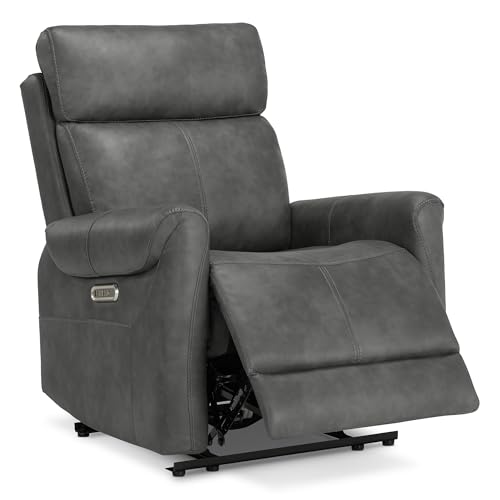
KISLOT Wall Hugger Recliner Chair, Faux Leather Power Reclining, Grey, 1PC | USB Charging Ports, Electric RV Recliner, Home Theater Seating, Living Room, Bedroom
Check price on Amazon
INZOY Manual Recliner Chair with Padded Armrest, Wall-Hugger Single Sofa Recliners with Overstuffed Back, Classical Fabric Reclining Chairs for Living Room Theater Seating, Grey
Check price on Amazon
KISLOT Wall Hugger Recliner Chair, Faux Leather Power Reclining, Brown, 1PC | USB Charging Ports, Electric RV Recliner, Home Theater Seating, Living Room, Bedroom
Check price on Amazon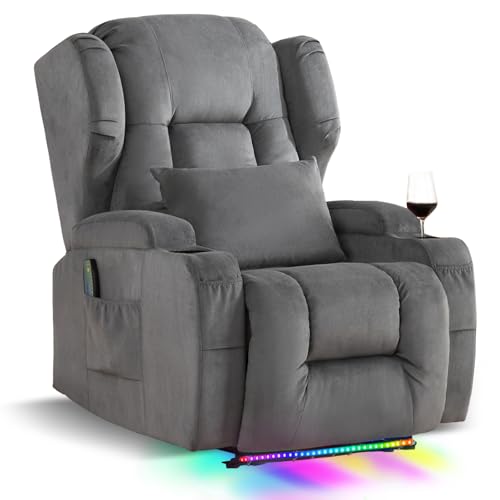
SAMERY Power Recliner Chair with Massage and Heat, Zero Wall Hugger Recliners Sofa Chair for Small Spaces, Theater Seating RV Sofa with LED Surround Lighting/USB/Cup Holders, Fabric, Grey
Check price on Amazon
KISLOT Wall Hugger Recliner Chair, Faux Leather Power Reclining, Camel, 1PC | USB Charging Ports, Electric RV Recliner, Home Theater Seating, Living Room, Bedroom
Check price on Amazon
Zero Wall Hugger Power Recliner, Reclining Chair with Massage & Heat | Zero Wall Hugger Recliner with Massage & Heat, LED Lights, USB Ports, Cup Holders, Lumbar Pillow, Side Pocket, Soft Fabric
Check price on Amazon