
Recliner Headrest Adjustment Guide: Perfect Neck Support
Discover how to adjust your recliner's headrest for optimal neck comfort, reduce strain, and enhance your relaxation experience. This comprehensive guide covers manual, power, and ratchet systems.
Why Headrest Adjustment Matters for Your Comfort
When you sink into your recliner after a long day, the last thing you want is neck strain. A properly adjusted headrest is crucial for maintaining healthy spinal alignment and preventing discomfort during extended periods of relaxation. Whether you're reading, watching TV, or simply resting, the angle and height of your headrest directly impact your overall comfort.
Many recliner owners don't realize that their headrest is adjustable, or they struggle to find the perfect position. This guide will walk you through every type of headrest adjustment mechanism, helping you customize your recliner for your unique body and preferences. For a complete understanding of how your headrest integrates with other comfort features, explore our Recliner Comfort & Setup Hub.
Types of Recliner Headrest Adjustment Systems
Recliner headrests come in several designs, each offering different levels of adjustability and convenience. Understanding these systems will help you identify what you have and how to use it effectively.
1. Manual Adjustable Headrests
Manual headrests are the most common type found on entry-level and mid-range recliners. These typically feature a hinged mechanism that you physically push or pull to change the angle. Some manual headrests offer a simple two-position adjustment (up or down), while more sophisticated models provide continuous angle adjustment.
- Push-back mechanism: Simply push the headrest back with your hand to recline it, or pull it forward to raise it.
- Ratchet system: Features distinct locking positions that you can cycle through by pulling the headrest forward until it releases, then positioning it at your desired angle.
- Friction hinge: Offers infinite adjustability within a range, staying in place through friction rather than locking positions.
Manual headrests are durable and cost-effective, making them a popular choice for budget-friendly and mid-tier recliners alike. If you're considering a manual recliner, our Power vs Manual Recliner comparison can help you weigh the pros and cons.
2. Power Adjustable Headrests
Power headrests are a premium feature typically found on high-end and luxury recliners. Using a motorized mechanism controlled by buttons or a remote, these headrests adjust smoothly and precisely with minimal effort. Many power recliners offer independent headrest and footrest controls, allowing you to fine-tune your position for reading, watching TV, or napping.
- Independent control: Adjust the headrest without changing the recline angle of the backrest.
- Memory presets: Some luxury models allow you to save your favorite positions.
- Remote or built-in buttons: Control options vary by model, with some featuring intuitive built-in controls and others using a dedicated remote.
Power headrests are particularly beneficial for individuals with limited mobility or those who want effortless adjustability. To learn more about the motorized components that power these features, see our Recliner Motor Guide and Recliner Remote Control Guide.
3. Ratchet and Articulating Headrests
Ratchet headrests offer a middle ground between basic manual and full power systems. These feature a mechanism that locks into multiple positions, typically adjusted by pulling the headrest forward until it clicks, then releasing it at the desired angle. Articulating headrests, on the other hand, are designed to follow the natural curve of your neck and head, often found on premium theater seating and ergonomic recliners.
For those who enjoy home theater experiences, an articulating or ratchet headrest can significantly enhance viewing comfort. Explore our Home Theater Recliner Guide for more information on optimizing your entertainment space.
Step-by-Step: How to Adjust Your Recliner Headrest
The adjustment process varies depending on your headrest type. Follow these general guidelines, and always consult your recliner's manual for specific instructions.
Adjusting a Manual Push-Back Headrest
- Sit in the recliner and assume your typical relaxation position.
- Grasp the top of the headrest with both hands.
- Gently push the headrest backward to lower it, or pull it forward to raise it.
- Test the position by resting your head. Your neck should feel supported without being pushed forward.
- Repeat until you find the ideal angle.
Adjusting a Ratchet Headrest
- Pull the headrest fully forward until it reaches the end of its travel and releases.
- Slowly push it backward. You'll hear or feel clicks as it passes through each locking position.
- Stop at the position that feels most comfortable for your neck and head.
- To readjust, simply pull forward again to release and repeat the process.
Adjusting a Power Headrest
- Locate the headrest control on your recliner's remote or built-in panel.
- Press the button to raise or lower the headrest. Some systems use separate buttons for up and down, while others use a toggle.
- Adjust slowly and observe how the angle changes.
- Fine-tune the position until your neck feels fully supported.
- If your recliner has memory presets, save your preferred position for future use.
💡 Pro Tip: The Perfect Headrest Angle
Your headrest should support the natural curve of your neck without pushing your head forward. When properly adjusted, your ears should align roughly with your shoulders, and you should feel no tension in your neck muscles. If you find yourself constantly adjusting, consider whether your recliner's lumbar support is also properly set, as the two work together for optimal comfort.
Common Headrest Adjustment Issues and Solutions
Even with a quality recliner, you may encounter issues with headrest adjustment. Here are some common problems and how to address them.
Headrest Won't Stay in Position
If your manual headrest keeps slipping, the friction hinge or ratchet mechanism may be worn. For minor slipping, try tightening any visible screws or bolts. If the issue persists, the mechanism may need replacement. Our Recliner Mechanism Repair Guide offers detailed troubleshooting steps.
Power Headrest Not Responding
Check the power connection first. Ensure the recliner is plugged in and the outlet is working. If your recliner uses a battery backup, verify the batteries are charged. If the remote is the issue, our Recliner Remote Repair Guide can help. For motor-related problems, see the Recliner Motor Replacement Guide.
Headrest Feels Too Firm or Too Soft
The padding density of your headrest affects comfort. If your headrest feels too firm, it may use high-density foam that needs time to break in. If it's too soft, consider adding a supportive cushion or pillow. The upholstery material also plays a role—memory foam and down-filled headrests offer different feels. Explore our Materials & Upholstery Hub to learn more about cushioning options.
Headrest Creates a Gap Between Neck and Chair
This often happens when the headrest is adjusted too far forward or the seat depth is incorrect. Check our Recliner Seat Depth Guide to ensure your recliner is sized correctly for your body. A lumbar support pillow can also help bridge the gap and improve overall posture.
Optimal Headrest Positions for Different Activities
Your ideal headrest position changes depending on what you're doing. Here's a quick reference to help you adjust for common activities.
| Activity | Recommended Headrest Position | Why It Works |
|---|---|---|
| Watching TV | Slightly reclined, headrest angled back | Allows a natural viewing angle without straining your neck forward. |
| Reading | More upright, headrest angled forward | Supports your head while looking down at a book or e-reader. A reading light can further enhance comfort. |
| Napping | Fully reclined, headrest flat or slightly raised | Provides a neutral spine position for restful sleep. |
| Using a Laptop | Upright, headrest supporting your neck | Keeps your head aligned with your spine while you look at the screen. Consider a side table for your device. |
| Conversing | Upright to slightly reclined, headrest neutral | Allows easy eye contact and comfortable posture. |
Maintaining Your Headrest Adjustment Mechanism
To keep your headrest functioning smoothly for years, regular maintenance is essential. Here are some tips:
- Clean regularly: Dust and debris can accumulate in the hinge or ratchet mechanism. Use a vacuum brush attachment or a soft cloth to keep it clean. For upholstery-specific care, see our Leather Recliner Cleaning Guide or Fabric Recliner Cleaning Guide.
- Lubricate moving parts: For manual mechanisms, a silicone-based lubricant can keep hinges moving smoothly. Avoid oil-based products that can attract dust.
- Check for loose hardware: Periodically inspect screws and bolts on the headrest mechanism and tighten as needed.
- Avoid excessive force: Never force a manual headrest beyond its intended range, as this can damage the mechanism.
- Protect from spills: Liquids can corrode metal components. If a spill occurs, clean and dry the area immediately. Our Recliner Stain Removal Guide can help with tougher messes.
For a comprehensive maintenance schedule, visit our Recliner Care & Maintenance Hub.
Recommended Recliners with Adjustable Headrests
⚠️ AFFILIATE DISCLOSURE: This website contains affiliate links. As an affiliate Associate, we earn from qualifying purchases. If you make a purchase through these links, we may receive a small commission at no additional cost to you. Read our full affiliate policy.
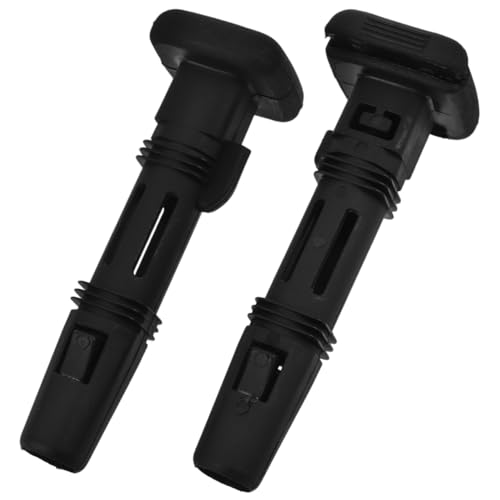
PACKOVE Adjustable Locking Car Headrest Guide Inserts Plastic Replacement for Front Rear Seat Headrests Post Stability and Secure Positioning 4.06 Inch Diameter
Check price on Amazon
2-Pack Ratchet Sofa Adjustment Hinges | Hinges for sofa headrest height and angle adjustment control
Check price on Amazon
10Pcs Car Seat Headrest Tube Iron Insert 5.5x2x2cm | Black Metal, Smooth Surface, Repair Replacement for Loose Headrest on Front Seats, Daily Commuting Use
Check price on Amazon
2 Pack Furniture Hinge for Sofa Headrest Recliners, Iron | Adjustable Angle Positioning, Easy Installation, Silver Finish, 6-gear Design for Backrest Cushions
Check price on Amazon
Beauty Bed Headrest Adjustment Bracket, ABS Adjustable Height Recliner Part | Black Plastic Fitting for Mobile Services, Compact Storage, Precise Alignment, Supports Tattoo Artists and Hair Stylists
Check price on Amazon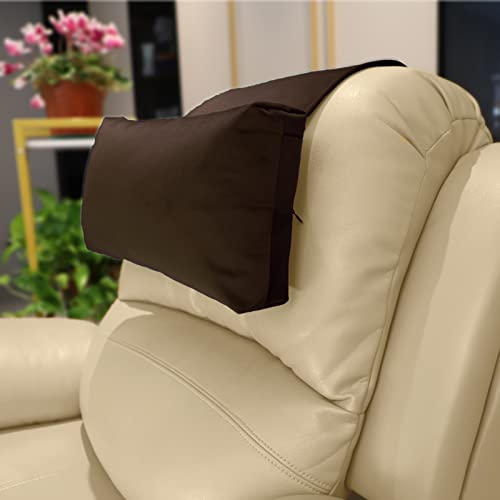
AmazeCov Headrest Pillow with Pearl Cotton Filling - Non-Slip Headrest Cushion for Recliners, Sofas and Loveseats (Chocolate)
Check price on Amazon
AmazeCov Adjustable Headrest Pillow for Recliners and Armchairs - Non-Slip Velvet Cushion for Neck Support and Pain Relief (Gray)
Check price on Amazon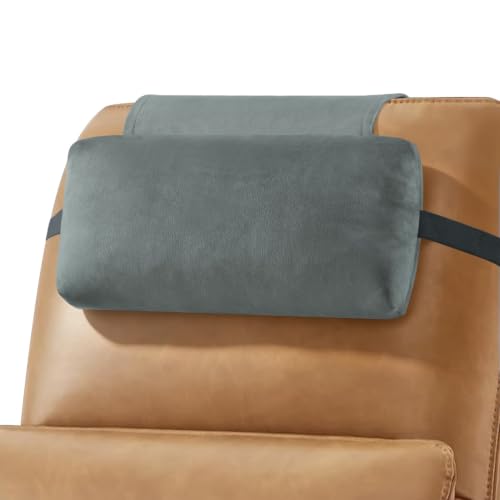
Head Recliner Pillow Adjustable Shredded Memory Foam Headrest Pillows for Recliner Chairs,Non-Slip Velvet Cushion for Pain Relief Neck Support Pillow for Travel Home Sofa Armchair with Zipper Cover
Check price on AmazonFrequently Asked Questions About Recliner Headrests
Can I add an adjustable headrest to my existing recliner?
In most cases, no. Headrest adjustment mechanisms are built into the recliner's frame and cannot be easily retrofitted. However, you can add a supportive neck pillow or cushion to improve comfort. If headrest adjustability is important to you, consider upgrading to a recliner that offers this feature.
How do I know if my recliner has an adjustable headrest?
Check your recliner's manual or look for visible hinges or a seam where the headrest meets the backrest. Gently try pushing or pulling the top of the headrest—if it moves, it's adjustable. Power recliners with adjustable headrests will have dedicated controls on the remote or panel.
What's the difference between a ratchet and a friction headrest?
A ratchet headrest locks into distinct positions and requires you to cycle through them to adjust. A friction headrest stays in place through resistance and can be adjusted to any angle within its range. Ratchet mechanisms tend to hold their position better over time, while friction hinges offer more precise adjustment.
Can I adjust the headrest while the recliner is fully reclined?
Yes, most headrests can be adjusted independently of the recline position. However, for manual headrests, it may be easier to adjust when the recliner is upright or partially reclined, as you'll have more leverage. Power headrests can typically be adjusted in any position.
My power headrest stopped working. What should I do?
First, check the power source—ensure the recliner is plugged in and the outlet works. If your recliner has a battery backup, test the batteries. Check the remote for dead batteries or damage. If these steps don't resolve the issue, the motor or wiring may need professional attention. See our Recliner Motor Guide for more troubleshooting tips.
Final Thoughts: Elevate Your Comfort with Proper Headrest Adjustment
Your recliner's headrest is one of its most important comfort features, yet it's often overlooked. By understanding how to adjust and maintain it, you can transform your relaxation experience, reduce neck strain, and enjoy your recliner to its fullest potential.
Whether you have a manual, ratchet, or power headrest, the key is to experiment until you find the position that feels best for your body and activities. Remember that headrest adjustment works in harmony with other recliner features like lumbar support and footrest positioning.
Ready to find a recliner with the perfect adjustable headrest for your needs? Explore our curated selection of highly-rated recliners with advanced comfort features.