
Recliner Seat Depth Guide: Find Your Perfect Fit
Discover how seat depth impacts your comfort, posture, and relaxation. Learn to measure, choose, and adjust for the ideal recliner experience.
START LEARNINGWhy Seat Depth Matters: Seat depth is one of the most overlooked yet critical factors in recliner comfort. A seat that's too deep can cause poor posture and leg strain, while one that's too shallow may leave you feeling unsupported. This guide will help you understand seat depth, measure it correctly, and choose the perfect recliner for your body type and relaxation needs.
What Exactly Is Recliner Seat Depth?
Seat depth is the measurement from the front edge of the seat cushion to the point where your back meets the backrest. In a recliner, this measurement becomes even more important because the seat depth interacts with the reclining mechanism, footrest, and lumbar support to determine your overall comfort.
Unlike a standard sofa, a recliner's seat depth must accommodate both upright and reclined positions. When you recline, your body naturally slides forward slightly, which changes how the seat depth feels. A recliner with the correct seat depth will support your thighs, keep your spine aligned, and allow your feet to rest comfortably on the footrest without overextending your knees.
Understanding seat depth is part of a broader approach to recliner comfort and setup, and it works hand-in-hand with factors like lumbar support and footrest positioning.
How to Measure Seat Depth Correctly
Before you shop for a recliner, you should know two key measurements: your body's ideal seat depth and the seat depth of any recliner you're considering.
Measuring Your Ideal Seat Depth
Follow these simple steps to determine your personal ideal seat depth:
- Sit against a wall with your back straight and your buttocks touching the wall.
- Extend your legs straight out in front of you.
- Measure the distance from the wall to the back of your knees (the crease where your leg bends).
- Subtract 1 to 2 inches from this measurement. The result is your ideal seat depth.
For example, if the distance from the wall to the back of your knees is 20 inches, your ideal seat depth is approximately 18 to 19 inches. This ensures your knees are slightly bent and your thighs are fully supported without pressure behind the knees.
Measuring a Recliner's Seat Depth
When evaluating a recliner, bring a tape measure and check:
- Upright position: Measure from the front edge of the seat to the backrest.
- Reclined position: Recline the chair and measure again, as some mechanisms change the effective depth.
- After the footrest extends: Check if the footrest pushes your legs forward, which can make a deep seat feel even deeper.
If you're shopping online, look for the "seat depth" specification in the product details. Reputable manufacturers list this measurement, and you can cross-reference it with your ideal depth.
💡 Pro Tip: Always test a recliner in person if possible. Sit in it for at least 5–10 minutes, recline fully, and extend the footrest. Your body will tell you if the seat depth is right. For online purchases, check the return policy before buying.
Ideal Seat Depth by Body Type and Height
While personal preference plays a role, general guidelines based on height and body type can help you narrow down your options. The following table provides a starting point:
| Height Range | Ideal Seat Depth | Comfort Notes |
|---|---|---|
| Under 5'4" (Short) | 18–20 inches | Shallower seats prevent legs from dangling and reduce pressure behind knees. |
| 5'4"–5'10" (Average) | 20–22 inches | Standard depth works well for most; look for adjustable lumbar support. |
| 5'10"–6'2" (Tall) | 22–24 inches | Deeper seats support longer thighs; ensure footrest extends far enough. |
| Over 6'2" (Very Tall) | 24+ inches | Look for extended-depth models or power headrest/footrest adjustments. |
These are general guidelines. Body proportions vary—some people have longer legs relative to their torso, while others have shorter legs. Always prioritize your personal measurement over height alone.
For a broader overview of recliner dimensions, including width and height, see our recliner size chart.
Deep vs. Shallow Seats: Which Is Right for You?
Understanding the trade-offs between deep and shallow seats will help you make an informed decision.
Deep Seats (22+ inches)
- Pros: Excellent for tall users; allows you to stretch out; often feels more luxurious and enveloping.
- Cons: Can cause shorter users to slide forward, leading to poor posture and lower back pain; may require extra pillows for support.
- Best for: Tall individuals, those who like to curl up, and recliners with adjustable lumbar support.
Shallow Seats (Under 20 inches)
- Pros: Keeps shorter users upright and supported; reduces pressure behind the knees; easier to get in and out of.
- Cons: May feel cramped for taller users; less room to stretch out; can feel less "cushy."
- Best for: Shorter individuals, those with mobility concerns, and users who prefer an upright seating position.
Medium Seats (20–22 inches)
Medium-depth seats are the most common and suit a wide range of users. They offer a balance between support and roominess, making them a safe choice if you're unsure or if the recliner will be shared by multiple people.
If you're considering a 3-seater recliner sofa or a recliner sectional, seat depth becomes even more important because different family members may have different preferences.
How Reclining Mechanisms Affect Seat Depth
The type of reclining mechanism in your chair can change how seat depth feels. Here's what to consider:
Manual Recliners
Manual recliners typically have a fixed seat depth. When you recline, your body slides forward slightly, which can make the seat feel shallower. If you're between sizes, consider a slightly deeper seat in a manual recliner to compensate for this movement.
Power Recliners
Power recliners often allow for more precise positioning. Some high-end models offer adjustable seat depth or a "zero gravity" position that redistributes your weight and changes the effective seat depth. These features can be particularly beneficial for users who need customized support. Learn more in our power recliner sofa guide.
Wall Hugger Recliners
Wall hugger recliners slide forward as they recline, which can affect how your body interacts with the seat depth. If you're considering a wall hugger, test the reclining motion to ensure the seat depth still feels comfortable in all positions. See our wall hugger recliner guide for more details.
Can You Adjust Seat Depth?
While most recliners don't have adjustable seat depth, there are several ways to customize the fit:
- Lumbar pillows: A good lumbar pillow can reduce the effective seat depth by pushing you forward slightly. This is a simple, low-cost fix for a seat that's too deep.
- Seat cushions: Adding a firm seat cushion can raise you up and reduce depth, but be careful not to compromise the reclining mechanism.
- Footrest extenders: If the seat depth is right but the footrest is too short, an extender can help. See our recliner footrest guide for options.
- Adjustable headrest and lumbar: Some premium recliners offer power-adjustable headrests and lumbar support that can compensate for minor seat depth issues. Check our headrest adjustment guide.
If you find that a recliner's seat depth is significantly off, it's usually better to choose a different model rather than rely on accessories. Comfort is subjective, but proper support is essential for long-term use.
🔑 Key Takeaways
- Seat depth is the distance from the front edge of the seat to the backrest.
- Your ideal seat depth is your wall-to-knee measurement minus 1–2 inches.
- Shorter users need shallower seats (18–20 inches); taller users need deeper seats (22–24+ inches).
- Reclining mechanisms can change how seat depth feels—always test in multiple positions.
- Lumbar pillows and cushions can help fine-tune a seat that's slightly too deep.
Frequently Asked Questions
What is the standard seat depth for a recliner?
Most recliners have a seat depth between 20 and 22 inches. However, this varies by brand and model, so always check the specifications.
Is a deeper seat always more comfortable?
Not necessarily. A seat that's too deep can cause poor posture, leg strain, and lower back pain, especially for shorter users. The ideal depth depends on your body proportions.
How do I know if my recliner's seat is too deep?
If you find yourself sliding forward, needing extra pillows behind your back, or feeling pressure behind your knees, the seat is likely too deep.
Can I make a deep recliner more comfortable?
Yes, a lumbar pillow or a firm seat cushion can reduce the effective seat depth. However, if the difference is significant, consider a different recliner.
Does seat depth affect the reclining mechanism?
Yes. In some recliners, the seat depth interacts with the mechanism's geometry. A seat that's too deep may prevent the footrest from providing proper support, while a seat that's too shallow may feel unstable when fully reclined.
Ready to Find Your Perfect Recliner?
Now that you understand seat depth, explore our curated selection of recliners and find the one that fits your body and lifestyle.
VIEW RECOMMENDED RECLINERSRecommended Recliners for Optimal Seat Depth & Comfort
⚠️ AFFILIATE DISCLOSURE: This website contains affiliate links. As an affiliate Associate, we earn from qualifying purchases. If you make a purchase through these links, we may receive a small commission at no additional cost to you. Read our full affiliate policy.
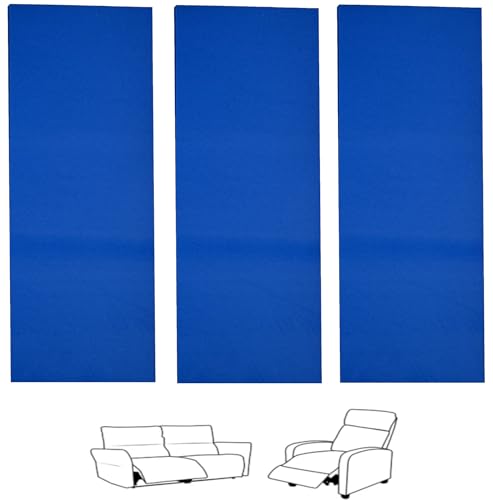
SagsAway 3 Piece Sagging Recliner DIY Repair Kit. No Tools Needed. High Density, Flexible Foam Padding Reinforcement. Three 16 Inch Firm Supports Per Set, Per Seat to Extend the Life of Recliners
Check price on Amazon
Fawfose Seat Recliner Handle Black Metal Composite Seat Adjuster Lever
Check price on Amazon
Brilluxa Seat Recliner Hinge, Backrest Angle Adjuster and Folding Seat Bracket, 2-Piece Repair Kit for RV Boat Vehicle Bench Seat Reclining and Position Adjustment Hardware
Check price on Amazon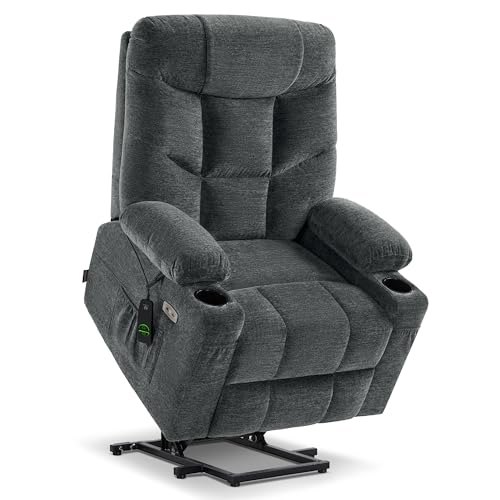
MCombo Power Lift Recliner for Elderly, Fabric 7283 (Dark Gray, Large) | Lift Chair for Seniors 5'7"-6'2", 350 lbs Capacity, Stand Assist, 140° Recline, 4.7" Extended Footrest, USB-C, 2 Cup Holders
Check price on Amazon
Easy-Going 1 Piece Reclining Loveseat with Middle Console Slipcover | Stretch 2 Seater Loveseat Recliner Cover with Holder and Storage, Recliner Couch Sofa Cover, Furniture Protector Chocolate
Check price on AmazonFor more guidance on creating a comfortable and functional living space, explore our recliner living room layout guide and room measurement guide. If you're still in the research phase, our first recliner sofa checklist and recliner buying mistakes articles can help you avoid common pitfalls.