Do wall hugger recliners really save space?
Yes. They require only 4–6 inches of wall clearance versus 12–18 inches for standard recliners, making them ideal for small rooms.

Discover how wall hugger recliners maximize your living space while delivering the full relaxation you deserve. Learn about mechanisms, sizing, and how to choose the perfect one for your home.
START READINGWelcome to the Wall Hugger Recliner Guide. If you love the comfort of a recliner but worry about limited floor space, a wall hugger recliner is the answer. Unlike traditional recliners that need significant clearance behind them, wall hugger models slide forward as they recline, allowing you to place them just inches from a wall. This guide will walk you through everything you need to know—from how the mechanism works to choosing the right size, upholstery, and features for your lifestyle. By the end, you'll be fully prepared to make a confident purchase.
A wall hugger recliner—sometimes called a wall-away or space saver recliner—is designed with a specialized mechanism that moves the entire seat forward and slightly upward as the backrest reclines. This forward motion means the back of the chair stays very close to the wall, often requiring only 4 to 6 inches of clearance. In contrast, a manual recliner sofa or a standard power recliner sofa typically needs 12 to 18 inches or more of wall clearance to fully recline. The wall hugger design is a game-changer for apartments, small living rooms, and any space where every inch counts. It’s a popular subcategory within the broader world of recliner sofa types.
The magic of a wall hugger lies in its linkage system. When you push back or press the power button, the seat pan glides forward on tracks while the backrest tilts backward. This synchronized motion keeps the center of gravity balanced and prevents the back of the chair from hitting the wall. Most wall hugger recliners are available in both manual and power versions. A power recliner sofa with wall hugger functionality offers effortless operation, often with USB charging ports and memory presets. For those who prefer a hands-on approach, a manual wall hugger uses a side lever or handle. Regardless of the mechanism, the core benefit remains the same: you get full recline comfort without sacrificing valuable floor space.
Understanding the differences helps you choose the right model for your home. Here’s a quick comparison:
| Feature | Wall Hugger Recliner | Standard Recliner |
|---|---|---|
| Wall Clearance Needed | 4–6 inches | 12–18 inches |
| Recline Motion | Seat slides forward, back tilts | Back tilts backward, footrest extends |
| Best For | Small rooms, apartments, tight layouts | Large living rooms, dedicated media rooms |
| Footrest Extension | May be slightly shorter | Typically longer, more stretch-out room |
| Typical Size | More compact, often smaller footprints | Larger, bulkier |
While a standard recliner may offer a slightly longer footrest, the wall hugger wins on space efficiency. For a deeper dive into clearance requirements, see our recliner wall clearance guide.
Why do homeowners love wall hugger recliners? Here are the standout advantages:
Before buying, measure your room carefully. Consider the width, depth, and height of the recliner, as well as the wall clearance required. Most wall hugger recliners need only 4–6 inches, but always check the manufacturer’s specifications. Also, think about seat depth and recliner seat depth to ensure proper support for your body. If you plan to place it in a corner, review our recliner corner placement guide. For a step-by-step measurement process, see the recliner room measurement guide. And don’t forget to check the recliner weight capacity guide to ensure durability for all users.
Wall hugger recliners come in a variety of upholstery materials, each with its own pros and cons. Leather remains a premium choice for its durability and easy cleaning—explore full grain leather or top grain leather options. For a more budget-friendly alternative, faux leather or bonded leather can mimic the look. If you prefer fabric, consider performance fabric for stain resistance, or soft microfiber and velvet for a cozy feel. For a comprehensive overview, visit our materials & upholstery hub.
Modern wall hugger recliners offer a range of features that enhance comfort and convenience. Look for:
To keep your wall hugger recliner looking and functioning like new, regular maintenance is key. Clean leather with a dedicated leather recliner cleaning guide and fabric with a fabric recliner cleaning guide. Address spills promptly using our recliner stain removal guide. Periodically lubricate the mechanism to prevent squeaks—see the recliner squeak fix guide. If you notice any issues with the motor or remote, consult the recliner motor replacement guide or recliner remote repair guide. For seasonal care, check out the recliner humidity care guide and recliner sunlight fade prevention tips.
Don’t fall into these traps when shopping for a wall hugger recliner:
For more pitfalls, read our full recliner buying mistakes article.
Just because it’s space-saving doesn’t mean it can’t be stylish. Choose a color that complements your room—see our neutral recliner color guide or bold recliner color guide. Add a recliner side table for drinks and remotes, and position a recliner reading light for cozy evenings. A well-placed recliner rug can tie the whole look together. For more inspiration, visit our style & design hub.
⚠️ AFFILIATE DISCLOSURE: This website contains affiliate links. As an affiliate Associate, we earn from qualifying purchases. If you make a purchase through these links, we may receive a small commission at no additional cost to you. Read our full affiliate policy.

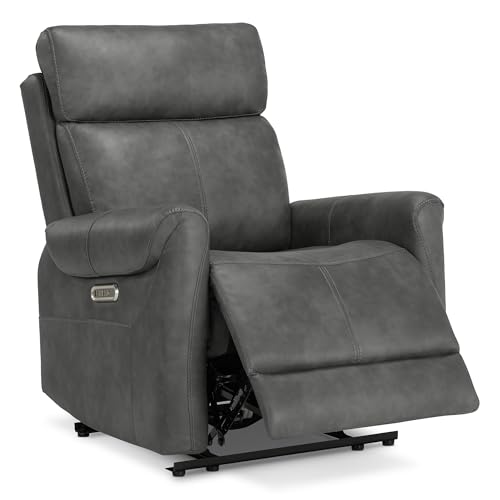


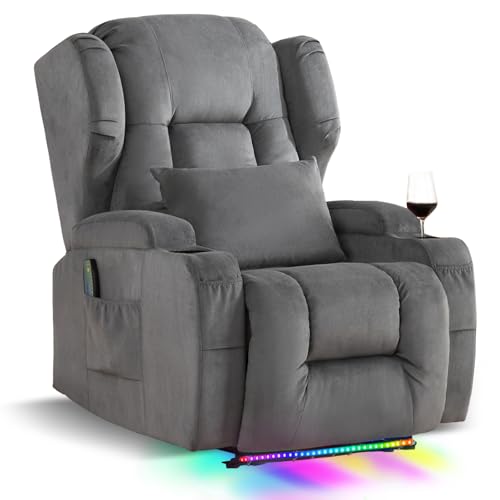


Yes. They require only 4–6 inches of wall clearance versus 12–18 inches for standard recliners, making them ideal for small rooms.
Absolutely. While the footrest may be slightly shorter, the recline angle and support are comparable. Many models offer power recline and adjustable headrests.
Yes, but always check the specific clearance requirements. Some models are designed for corner placement. See our recliner corner placement guide.
It depends on your lifestyle. Leather is durable and easy to clean; performance fabric is great for families. Explore our materials & upholstery hub.
Ready to learn more? Explore these related guides:
The information provided on ReclinerSofaHub is for educational and informational purposes only. We are not professional interior designers or furniture technicians, and our content should not replace professional advice. Always consult with a qualified expert regarding furniture safety, mechanism durability, or technical concerns. Some content may use AI assistance. Always check product warranties and safety standards before purchasing. If you do not agree, please do not use this website. Read the full disclaimer.