
Recliner Mechanism Repair Guide: Fix & Restore Your Sofa
Is your recliner stuck, squeaking, or failing to recline? Our comprehensive guide will walk you through diagnosing, repairing, and maintaining both manual and power recliner mechanisms to restore smooth, reliable comfort.
START DIAGNOSINGWhy Trust This Guide: A broken recliner mechanism doesn't mean you need a new sofa. Most issues can be resolved with simple tools and a bit of know-how. We've consolidated expert advice to help you save money, extend the life of your furniture, and enjoy your recliner again.
Understanding Your Recliner's Mechanism
Your recliner is a marvel of mechanical engineering, designed to provide effortless relaxation. At its core is the mechanism—a system of levers, springs, brackets, and often an electric motor, that controls the footrest and backrest. Over time, even the highest-quality mechanisms can experience wear and tear, leading to frustrating issues. Whether you own a manual or power recliner, understanding its inner workings is the first step toward a successful repair.
This guide is designed for the average homeowner. You don't need to be a professional technician to diagnose and fix common problems. By following our step-by-step instructions, you can address issues ranging from a stiff release handle to a completely unresponsive power mechanism. For those considering a replacement, it's helpful to first review our first recliner sofa checklist to ensure your next purchase is a durable one.
Diagnosing Common Recliner Mechanism Problems
Before you can fix the problem, you need to identify it accurately. Here are the most common complaints and their likely causes:
- Recliner Won't Recline or Close: This is often caused by a broken or detached cable, a jammed lever, or a faulty motor in power models. For manual recliners, the pull handle or its internal cable may have snapped.
- Footrest Sags or Won't Stay Up: This usually points to worn-out springs or a faulty locking mechanism in the mechanism's "pawl" system. The internal gears may also be stripped.
- Squeaking or Grinding Noises: Squeaks typically indicate a need for lubrication on metal-on-metal contact points. Grinding, however, often signals a more serious issue like a failing motor or a bent component.
- Uneven Reclining: If one side moves and the other doesn't, the mechanism is likely misaligned or a connecting rod has come loose or broken.
- Power Recliner Won't Move: Check the power source first. If the outlet works, the issue could be the remote control, the power transformer, the motor, or the wiring harness.
Essential Tools & Safety Precautions
Before starting any repair, gather the right tools. For most mechanism repairs, you'll need:
- Phillips and flathead screwdrivers
- Adjustable wrench and a set of Allen wrenches
- Pliers (needle-nose and standard)
- A flashlight or headlamp
- Replacement parts (if known)
- White lithium grease or silicone spray for lubrication
- Work gloves to protect your hands
Safety First: Always unplug your power recliner from the wall before beginning any work. For manual recliners, ensure the chair is in a stable, upright position. Place a protective sheet or cardboard under the recliner to avoid scratching your floors. Working on a recliner can be awkward, so consider having a helper for lifting and flipping the chair. For more details on safe handling, refer to our recliner assembly guide.
How to Repair a Manual Recliner Mechanism
Manual recliners are purely mechanical, which often makes them easier to repair. The most common failure points are the cable, the handle, and the springs.
Fixing a Stuck or Broken Release Handle
If the handle feels loose or pulls without resistance, the cable has likely snapped. You'll need to remove the handle, which is usually held by a single screw or pin. Once removed, you can access the cable. Replace the entire cable assembly, as attempting to repair a frayed cable is a temporary fix. For a detailed walkthrough, see our guide on replacing a recliner release pull handle.
Addressing Sagging Footrests and Weak Springs
A sagging footrest is a classic sign of worn springs. You can often replace these springs individually. With the recliner flipped over, locate the tension springs on the mechanism. Use pliers to detach the old spring and hook on a new one of the same size and tension. If the locking pawl is worn, it may need to be replaced, which is a more involved job but still manageable for a DIY enthusiast.
Eliminating Squeaks and Grinding
For squeaks, a simple application of white lithium grease to all pivot points, joints, and tracks can work wonders. Avoid using WD-40 as a long-term lubricant, as it attracts dust. If you hear grinding, stop using the recliner immediately. This could indicate a bent or broken metal component that is scraping against another. Inspect the mechanism for any obviously damaged parts and replace them. Our recliner squeak fix guide offers more in-depth solutions.
Troubleshooting and Repairing Power Recliner Mechanisms
Power recliners add a layer of electrical complexity. When they fail, the issue is either electrical or mechanical.
Electrical Diagnosis: Remote, Wiring, and Power Supply
Start by testing the remote with a fresh set of batteries. If that doesn't work, check the power cord and transformer. Ensure all connections are secure. Sometimes, a wire can be pinched or severed within the mechanism's moving parts. Inspect the wiring harness for any visible damage. A common point of failure is the hand control/remote itself.
Replacing a Faulty Motor
If you hear a humming sound but the recliner doesn't move, the motor may be seized or stripped. If there's no sound at all, the motor may have failed completely. Replacing a recliner motor is a straightforward job for most models. You'll need to disconnect the power, remove the old motor (usually mounted with a few bolts), and install the new one. Our dedicated recliner motor replacement guide provides step-by-step instructions.
The Importance of Battery Backup
Many power recliners have a battery backup feature for use during power outages. If your recliner isn't working and you've checked everything else, ensure the backup batteries are not dead. For more information, see our guide on recliner battery backup.
Preventive Maintenance for Long-Lasting Performance
An ounce of prevention is worth a pound of cure. Regular maintenance can prevent most major mechanism failures.
- Lubricate Annually: At least once a year, apply a white lithium grease to all moving metal parts. This reduces friction and prevents squeaks.
- Keep it Clean: Dirt and debris can clog mechanisms. Vacuum the crevices of your recliner regularly. For fabric recliners, follow our fabric recliner cleaning guide, and for leather, see the leather recliner cleaning guide.
- Avoid Overloading: Every recliner has a weight limit. Exceeding it can strain the mechanism. Our recliner weight capacity guide can help you understand these limits.
- Use it Gently: Avoid flopping down into the recliner or forcing the footrest up or down. Use the handle or remote smoothly.
- Check for Loose Hardware: Periodically check and tighten all bolts and screws on the mechanism. Vibrations can cause them to loosen over time.
By following these simple maintenance steps, you can significantly extend the lifespan of your recliner's mechanism and avoid costly repairs down the line. For a complete overview of care, visit our recliner care and maintenance hub.
Recommended Recliner Sofa for Mechanism Repair Guide
⚠️ AFFILIATE DISCLOSURE: This website contains affiliate links. As an affiliate Associate, we earn from qualifying purchases. If you make a purchase through these links, we may receive a small commission at no additional cost to you. Read our full affiliate policy.

ZYAMY 2PSC Furniture Repair Fixture Bracket Recliner Tilt Mechanism Bracket Sofa Snap-in Connector Sofa Back Connector Disassembly Hardware Accessories
Check price on Amazon
Electric Actuator Slide Block for Recliner Chairs | Plastic Push Rod Slider, Threaded Tube Rail Replacement Part for Linear Actuator Systems
Check price on Amazon
Triple-Position Recliner Mechanism Repair Kit - Pins, Springs & Lock Plate Set - Stainless Steel (4 Pcs)
Check price on Amazon
FR Universal Mechanism Safety Guard for Recliners
Check price on Amazon
Yechiry Electric Linear Actuator Slide Block for Recliners, Replacement | Tight Fit Push Rod Slider, Low Noise Composite Construction for Industrial Machinery
Check price on Amazon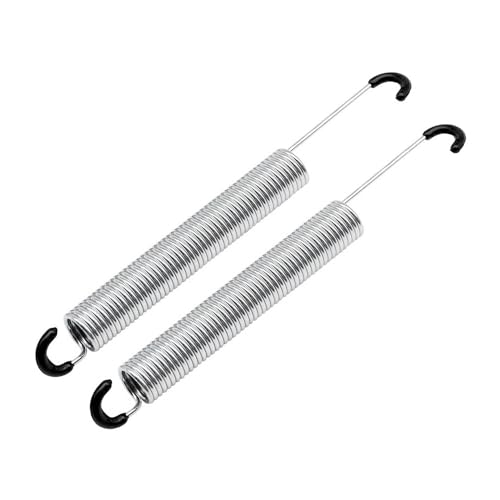
yaaqoo 2 PCS 7 Inch Recliner Sofa Chair Mechanism Spring Parts | Long Neck | Furniture Sleeper Couch Bed Tension Springs Replacement Part with One Side Long Neck Hook Style
Check price on Amazon
Hynwron Metal Toggle Drive Connector Replacement Compatible with La-Z-Boy/Lazyboy Power Recliners, Recliner Repair Part for Electric Recliner Mechanism
Check price on Amazon
Heavy-Duty Metal Recliner Pull Handle Replacement3.5"L x 3"W x 1.2"H | Repair Recliner Mechanism Parts Compatible with Ashley Lazy Boy and Most Recliner Brands Couch Sofa Chair Furniture
Check price on AmazonWhen to Call a Professional
While many repairs are DIY-friendly, some situations warrant a professional. If you encounter the following, it's best to call a qualified furniture technician:
- The frame of the recliner is cracked or broken.
- You are uncomfortable working with electrical components.
- The repair requires welding or specialized tools.
- You have a high-end or luxury recliner and are concerned about voiding its warranty. Check your warranty terms first.
A professional can diagnose complex issues quickly and safely, ensuring the repair is done correctly. The cost of a professional repair is often still less than buying a new recliner, especially for premium models. If your recliner is beyond repair, our guide on recliner buying mistakes can help you choose a better replacement.