
High Density Foam Recliner Guide
The ultimate resource for understanding foam density, support, and longevity in your recliner sofa.
START LEARNINGWhy Foam Density Matters: The foam inside your recliner is the unsung hero of comfort and durability. High density foam recliners are engineered to resist sagging, provide consistent support, and maintain their shape far longer than standard foam alternatives. Whether you're investing in a recliner loveseat or a full 3-seater recliner sofa, understanding foam density is key to making a smart purchase.
What Exactly Is High Density Foam?
High density foam is a type of polyurethane foam manufactured with a higher concentration of material per cubic foot. This density is measured in pounds per cubic foot (PCF). While standard furniture foam often falls in the 1.5 to 2.0 PCF range, high density foam recliners typically use foam rated at 2.5 PCF or higher. The result is a cushion that feels firmer, supports more weight, and resists the compression that leads to sagging and permanent indentations over time.
Unlike memory foam recliners, which contour to your body and can feel soft or slow-reacting, high density foam offers a more resilient, supportive bounce-back feel. It is often used in the seat cushions, backrests, and even the recliner armrest padding of quality furniture.
Key Benefits of High Density Foam Recliners
Choosing a recliner with high density foam is an investment in long-term comfort. Here are the primary advantages:
- Superior Durability: The dense cell structure resists crushing and breakdown, meaning your recliner will feel supportive for years, not months.
- Shape Retention: High density foam bounces back to its original shape after you stand up, preventing the unsightly sagging common in lower-quality cushions.
- Better Weight Support: It provides a stable, firm foundation that accommodates a wider range of body types and weights. This is particularly important for a recliner weight capacity guide assessment.
- Enhanced Ergonomics: The firm support promotes better posture, which is crucial for recliner lumbar support.
- Less Maintenance: You won't need to constantly fluff or rotate cushions as you would with softer, down-filled, or low-density foam alternatives.
How to Identify a High Density Foam Recliner
When shopping, you may not always see the PCF rating on the tag. Here are practical ways to assess foam quality:
- Ask for the Specs: A reputable manufacturer or retailer should be able to provide the foam density rating. Look for a PCF of 2.5 or higher for the seat cushion.
- The Press Test: Press down firmly on the seat cushion. High density foam will feel firm and resist compression. When you release, it should spring back quickly and completely. If your hand leaves a deep impression that lingers, the foam is likely low density.
- Lift the Cushion: If the cushion is removable, pick it up. High density foam cushions are noticeably heavier than their low-density counterparts.
- Check the Warranty: A long warranty on the cushion core (often 5-10 years) is a strong indicator that the manufacturer stands behind the foam's durability.
High Density vs. Other Foam Types
Understanding the alternatives helps you appreciate the value of high density foam. For a broader look at materials, see our materials & upholstery hub.
Where High Density Foam Is Used in a Recliner
High density foam isn't just for the seat. Quality recliners use it in multiple areas:
- Seat Cushion: This is the most critical application. A high density foam seat core prevents the "sinking" feeling and maintains support.
- Backrest: Provides consistent, firm support for your entire back, complementing features like a recliner headrest adjustment guide.
- Footrest: When you extend the recliner footrest, high density foam ensures it remains comfortable and doesn't flatten out.
- Armrests: Some premium models use high density foam in the recliner armrest for added comfort and durability.
Caring for Your High Density Foam Recliner
While high density foam is durable, proper care extends its life. Regular cleaning of the upholstery is essential. For specific instructions, see our fabric recliner cleaning guide or leather recliner cleaning guide. To keep the foam in top condition:
- Avoid placing the recliner in direct sunlight, which can degrade foam over time. See our recliner sunlight fade prevention tips.
- Keep the recliner in a climate-controlled environment. Extreme humidity can affect foam. Refer to our recliner humidity care guide.
- Rotate the seat cushion periodically if it is removable and reversible.
- Address spills immediately to prevent moisture from seeping into the foam. Our recliner stain removal guide can help.
Buying Considerations for Foam Recliners
Before you buy, consider the following to ensure you get the right high density foam recliner for your needs:
- Firmness Preference: High density foam feels firm. If you prefer a plush, sinking feeling, you may prefer a down-filled recliner or a memory foam recliner.
- Weight and Size: High density foam adds weight. Ensure the recliner frame is sturdy enough. A hardwood recliner frame is an excellent match for heavy foam.
- Usage: For a daily-use recliner, high density foam is almost always the best choice. For a formal living room used occasionally, other foams may suffice.
- Configuration: Whether you are looking at a swivel recliner, a glider recliner, or a modular recliner sofa, the foam quality should be a primary consideration.
- Budget Tier: High density foam is often found in mid-range and premium recliners. Entry-level models may use lower density foam. Use our recliner spec glossary to decode marketing terms.
Recommended High Density Foam Recliners
⚠️ AFFILIATE DISCLOSURE: This website contains affiliate links. As an affiliate Associate, we earn from qualifying purchases. If you make a purchase through these links, we may receive a small commission at no additional cost to you. Read our full affiliate policy.

Shinnwa Gel Memory Foam Recliner Cushion for Elderly, Dual-Layer Foam Chair Pad, Extra Large Seat Cushion for Couch, Armchair, Wicker Chairs, Floor, 20 × 20 × 5in, Black
Check price on Amazon
Shinnwa Gel Memory Foam Recliner Cushion for Elderly, Extra Large Seat Cushion, Dual-Layer Foam Chair Pad for Couch, Armchair, Wicker Chairs, Floor, 20 × 20 × 5in, Light Gray
Check price on Amazon
baibu Memory Foam Recliner Cushions for Elderly with Lumbar Support, Patent Design 20x20x5 Inch Thick Chair Cushion Dual Layer Booster Seat Cushions for Recliner, Armchair, Brown
Check price on Amazon
2-in-1 Recliner Foot Rest Cushion with Detachable Semi-Cylindrical Pillow, Multi-Functional Leg Support Pillow for Recliner and Sofa, High-Density Foam with Non-Slip Bottom
Check price on Amazon
HOMBYS Extra Thick Recliner Chair Cushion with Lumbar Support Pillow for Elderly, 4.5" High Density Foam Seat Cushion, Breathable Fabric, 20"x20" Extra Large & Non-slip for Recliner, Office, Dark Grey
Check price on Amazon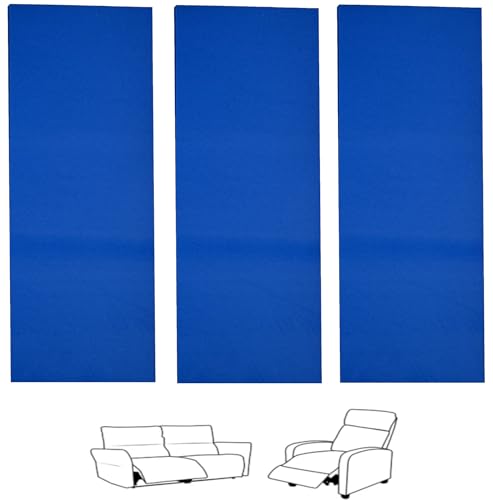
SagsAway 3 Piece Sagging Recliner DIY Repair Kit. No Tools Needed. High Density, Flexible Foam Padding Reinforcement. Three 16 Inch Firm Supports Per Set, Per Seat to Extend the Life of Recliners
Check price on Amazon
HOMBYS Foam Recliner Chair Cushions for Elderly, 4" Thick Chair Pads with Back Support for Office Chair, Non-Slip Supportive Seat Cushion with Lumbar Pillow (Black, 13" Backrest)
Check price on Amazon
HOMBYS 5" Thick Egg Shaped Foam Recliner Chair Cushion for Elderly, Thicken & Extra Large Seat Cushion Chair Pad for Couch, Armchair, Wheelchair for Easy to Stand Up & Reduce Hip & Lumbar Pain, Brown
Check price on AmazonFrequently Asked Questions
Is high density foam hard?
High density foam feels firm initially, but it is designed to provide supportive comfort, not a hard, unyielding surface. It softens slightly with use while maintaining its structure, unlike low density foam which starts soft and quickly becomes unsupportive.
How long does high density foam last in a recliner?
With proper care, high density foam can maintain its support and shape for 7 to 10 years or more. This is significantly longer than standard foam, which may begin to sag within 2 to 3 years of daily use.
Can I replace the foam in my recliner?
Yes, many recliners allow for cushion replacement or reupholstery. If the frame and mechanism are in good condition, replacing the foam can restore comfort. See our recliner reupholstery guide for more details.
Is high density foam better than memory foam?
It depends on your preference. High density foam offers better durability and firm support. Memory foam offers better pressure relief and a contouring feel. Many high-end recliners use a combination of both. Compare them further in our memory foam recliner guide.
Final Thoughts: Investing in a high density foam recliner is one of the smartest decisions you can make for long-term comfort and durability. By understanding foam density, knowing how to identify quality foam, and caring for your recliner properly, you can enjoy a supportive, sag-free seat for many years. Whether you're furnishing a home theater recliner or a main living room piece, prioritize foam quality. For more guidance, explore our shopping & reviews hub and check our first recliner sofa checklist before you buy.