

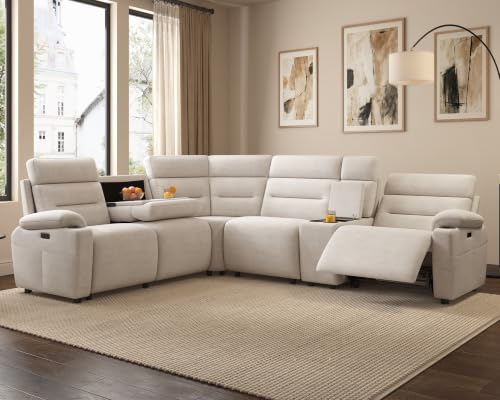


Color is one of the most powerful — and most overlooked — elements when choosing a recliner sofa. Before you commit to a hue, it helps to understand how different colors shape the emotional tone of a living space. This guide breaks down the mood effects of popular recliner colors, explains how to match them with your existing decor, and shows you how to use color strategically to make your relaxation area feel exactly the way you want.
What Are Recliner Color Mood Effects?
Recliner color mood effects refer to the way a sofa's color influences the emotional atmosphere of a room and the psychological state of the people using it. A deep navy recliner can make a space feel grounded and serene, while a bright orange recliner introduces energy and playfulness. These effects are not random — they are rooted in color psychology and reinforced by practical factors like light reflection, perceived room size, and visual harmony with surrounding furniture.
When you choose a recliner color, you are simultaneously making a functional decision (how easy is it to maintain, how well does it hide wear) and an emotional one (how do I want this room to feel?). Balancing both considerations is the key to a purchase you will be happy with for years. For a broader look at how recliners fit into living space planning, see our Comfort & Setup hub.
The Psychology Behind Popular Recliner Colors
Different colors trigger different emotional responses. Below is a breakdown of the most common recliner colors and the mood effects they tend to produce in a living room setting.
Brown & Earth Tones
Mood effect: Warmth, stability, groundedness.
Brown is the classic recliner color for good reason — it feels inviting, hides everyday wear well, and pairs naturally with wood tones and neutral walls. A brown leather recliner sofa anchors a room and communicates quiet permanence.
- Best for: traditional, rustic, and farmhouse interiors
- Pairs with: cream, beige, sage green, warm white
Blue Tones
Mood effect: Calm, trust, relaxation.
Blue is one of the most soothing colors and works exceptionally well in relaxation zones. A blue recliner sofa can make a living room feel cool and composed, especially in spaces with plenty of natural light.
- Best for: coastal, modern, and transitional interiors
- Pairs with: white, grey, tan, brass accents
Orange & Warm Accents
Mood effect: Energy, creativity, sociability.
Orange is a bold choice that brings life to a room. An orange recliner sofa becomes an instant focal point and works well in spaces designed for conversation and gathering.
- Best for: eclectic, bohemian, and mid-century interiors
- Pairs with: teal, navy, cream, natural wood
Pink & Soft Pastels
Mood effect: Gentleness, warmth, optimism.
Soft pinks and pastels create a light, airy feeling. A pink recliner sofa can soften a modern space and add a touch of personality without overwhelming the room.
- Best for: contemporary, Scandinavian, and feminine interiors
- Pairs with: grey, white, gold, light wood
Black & Charcoal
Mood effect: Sophistication, drama, focus.
Dark neutrals create a sense of elegance and make other colors in the room pop. A black or charcoal recliner is a strong anchor piece that works in both minimalist and luxury settings.
- Best for: modern, industrial, and luxury interiors
- Pairs with: white, grey, gold, jewel tones
Beige & Cream
Mood effect: Calm, spaciousness, versatility.
Light neutrals make rooms feel larger and brighter. They are the safest choice for small spaces and serve as a neutral canvas for colorful accessories.
- Best for: small apartments, minimalist, and coastal interiors
- Pairs with: almost any accent color
How Color Affects Perceived Room Size and Light
Beyond emotion, color has practical spatial effects. Lighter colors reflect more light and make a room feel larger and more open, which is why beige, cream, and light grey recliners are popular in smaller living rooms. A recliner sofa for small spaces in a light tone can visually expand the area without any structural changes.
Darker colors absorb light and can make a room feel more intimate and enclosed. In a large, open-plan living room, a dark recliner can help define a seating zone and create a sense of coziness. The key is to match the color's spatial effect with the feeling you want the room to have. For layout guidance, see our recliner room layout guide.
Matching Recliner Color to Your Existing Decor
Choosing a recliner color in isolation is a common buying mistake. The right approach is to consider the recliner as part of a larger color story that includes walls, flooring, rugs, and accent pieces.
Start With the Dominant Neutral
Identify the dominant neutral in your room — usually the wall color or the largest piece of furniture. Your recliner should either harmonize with that neutral or intentionally contrast with it. A brown recliner sofa set works beautifully in a room with warm wood floors and cream walls because it reinforces the existing warm palette.
Use the 60-30-10 Rule
A classic interior design principle suggests that 60% of a room should be a dominant color, 30% a secondary color, and 10% an accent color. Your recliner can occupy any of these roles. If you want the recliner to be the accent, choose a bold color like orange or blue. If you want it to blend in, choose a tone that matches the dominant neutral.
Consider Two-Tone Designs
Two-tone recliners combine two colors in a single piece, often using a darker body with lighter accents or vice versa. A two-tone recliner design can bridge two color families in a room and add visual interest without committing to a single bold hue. This is a great option if you love color but want a more balanced look.
Color and Material: How They Interact
The same color can read very differently depending on the material. A dark brown in smooth leather looks rich and formal, while the same brown in a textured fabric looks casual and cozy. Understanding this interaction helps you predict how a recliner will actually feel in your space.
Leather and Color
Leather tends to deepen and richen color over time. A leather recliner sofa in a mid-tone brown will develop a patina that adds character. Leather also reflects light differently than fabric, giving colors a subtle sheen. For care tips that preserve color, see our leather recliner conditioning guide.
Fabric and Color
Fabric absorbs light and can make colors appear softer and more matte. A fabric recliner in a bold color may feel less intense than the same color in leather. Textured fabrics like linen or microfiber can also shift a color's appearance, making it warmer or cooler depending on the weave.
Distressed and Specialty Finishes
Distressed leather and specialty finishes introduce variations in color that create a vintage or rustic feel. A distressed leather recliner guide can help you understand how these finishes behave and how to choose one that fits your color strategy.
Choosing a Color for Different Room Styles
| Room Style | Recommended Recliner Colors | Mood Effect |
|---|---|---|
| Modern / Minimalist | Charcoal, white, light grey, black | Clean, calm, uncluttered |
| Traditional / Classic | Brown, burgundy, navy, cream | Warm, established, inviting |
| Coastal / Beach | Light blue, white, sand, soft grey | Airy, relaxed, breezy |
| Farmhouse / Rustic | Warm brown, sage, cream, tan | Cozy, grounded, natural |
| Industrial / Urban | Black, charcoal, dark brown, grey | Bold, edgy, sophisticated |
| Scandinavian | White, light grey, pale blue, blush | Bright, simple, serene |
For more specific styling guidance, explore our Style & Design hub, which covers modern, rustic, farmhouse, industrial, and Scandinavian approaches in detail.
How Product Tier Influences Color Options
When shopping for a recliner, you will notice that color availability and quality often correlate with product tier. Understanding this relationship helps you set realistic expectations.
Entry-Level Recliners
Entry-level recliners typically offer a limited palette of standard colors — usually black, brown, and grey — in bonded leather or basic microfiber. Color consistency and fade resistance may be less refined than higher tiers. If you are exploring affordable recliner sofa options, expect fewer color choices but still functional, comfortable pieces.
Mid-Range Recliners
Mid-range recliners expand the color palette considerably, often including blues, greens, and neutral tones in improved fabrics and leathers. Colorfastness and material quality are noticeably better. A quality recliner sofa in this tier offers a good balance of color choice and durability.
Premium and Luxury Recliners
Premium and luxury recliners offer the widest color range, including custom upholstery options, specialty finishes, and designer palettes. A luxury recliner sofa in a unique color can become a true statement piece. The trade-off is higher cost and often longer lead times for custom orders.
Color, Comfort, and Perceived Coziness
Color influences not just how a room looks but how comfortable it feels. Warm colors — reds, oranges, yellows, and warm browns — tend to make spaces feel cozier and more intimate. Cool colors — blues, greens, and cool greys — feel more spacious and calming but can sometimes read as less inviting in large doses.
If your goal is maximum relaxation, consider a warm neutral like taupe or a soft brown. If you want a room that feels fresh and airy, lean toward cool neutrals or light blues. A comfortable recliner sofa in the right color can make your living room the most relaxing space in the house.
Seasonal and Lighting Considerations
Natural light changes throughout the day and across seasons, which affects how your recliner's color appears. North-facing rooms receive cooler light, which can make warm colors look flat and cool colors look richer. South-facing rooms receive warmer light, which enhances warm colors and can make cool colors feel more balanced.
If you are unsure, test fabric or leather swatches in your actual room at different times of day before committing. This simple step prevents the common disappointment of a recliner that looked perfect in the store but feels off at home.
Using Color to Define Zones in Open-Plan Spaces
In open-plan living areas, color can help define functional zones without physical walls. A recliner in a distinct color can visually separate the relaxation zone from the dining or kitchen area. A small apartment recliner solution often uses color strategically to make a compact space feel organized and intentional.
For more ideas on zoning and layout, see our guides on open plan living recliner zoning and corner nook sectionals.
Key Takeaways: Choosing Your Recliner Color
- Start with mood: Decide how you want the room to feel before choosing a color.
- Consider light: Test swatches in your actual room at different times of day.
- Match your palette: Use the 60-30-10 rule to integrate the recliner into your existing decor.
- Think about material: Leather and fabric render color differently — choose accordingly.
- Plan for maintenance: Lighter colors show wear more; darker colors hide it but can fade.
- Invest in quality: Higher-tier recliners offer better colorfastness and more palette options.
Frequently Asked Questions About Recliner Color Mood Effects
What is the most relaxing recliner color?
Cool neutrals like soft grey, light blue, and muted green are generally considered the most relaxing colors. They lower visual stimulation and create a calm, serene atmosphere. Warm neutrals like taupe and cream are also excellent choices for a cozy, comfortable feel.
Does recliner color affect room size perception?
Yes. Lighter colors reflect more light and make a room feel larger and more open. Darker colors absorb light and create a more intimate, enclosed feeling. In small rooms, lighter recliner colors are generally recommended to maximize perceived space.
Should my recliner match my sofa exactly?
Not necessarily. Matching exactly can look staged and flat. A better approach is to choose a color that harmonizes with your sofa — either in the same color family or in a complementary tone. Two-tone designs and intentional contrast can look more designed and personal.
What color recliner hides stains best?
Mid-tone browns, greys, and patterned fabrics hide stains best. Very dark colors can show dust and lint, while very light colors show spills and dirt. A mid-tone neutral in a textured fabric is generally the most forgiving choice for everyday use.
Can I use a bold-colored recliner in a small room?
Yes, but use it as a focal point rather than the dominant color. A single bold recliner in an otherwise neutral small room can add personality without overwhelming the space. Keep surrounding colors muted to let the recliner stand out.
How does leather color differ from fabric color?
Leather tends to appear richer and more reflective, and it deepens with age. Fabric absorbs light and appears softer and more matte. The same color can look warmer in fabric and cooler in leather. Always view samples in your actual lighting before deciding.
What is the best recliner color for a modern living room?
Charcoal, black, white, and light grey are the most versatile choices for modern interiors. These neutrals pair well with almost any accent color and keep the space feeling clean and uncluttered. For a bolder modern look, consider navy or deep green.
Final Thoughts: Color as a Long-Term Decision
Recliner color mood effects are real, measurable, and worth considering carefully before you buy. Unlike a paint color that is easy to change, a recliner is a long-term investment. Taking the time to understand how different colors make you feel, how they interact with your room's light and layout, and how they fit your lifestyle will help you choose a recliner you love for years to come.
Whether you are drawn to the calm of blue, the warmth of brown, or the energy of orange, the right color will make your recliner not just a piece of furniture but a daily source of comfort and satisfaction. Explore our Shopping & Reviews hub for more guidance on making a confident purchase.