
Manual Recliner Sofa Guide: Everything You Need to Know
Discover how manual recliner mechanisms work, their benefits, and how to choose the perfect manual recliner sofa for your living room comfort and relaxation.
START LEARNINGWhy Manual Recliners Still Matter: In a world of motorized everything, manual recliner sofas remain a favorite for their simplicity, reliability, and tactile control. They offer a direct, hands-on way to find your perfect relaxation angle — no electricity, no remotes, no fuss. This guide will walk you through everything you need to know about manual recliner sofas, from mechanism types to upholstery choices and long-term care.
What Is a Manual Recliner Sofa?
A manual recliner sofa is a seating piece that uses a mechanical lever or a push-back system to recline the backrest and extend the footrest. Unlike power recliner sofas that rely on electric motors and remote controls, manual recliners operate entirely through physical force — either by pulling a side lever or by leaning back against the backrest to engage the mechanism.
Manual recliners have been a staple of living room furniture for decades. They are celebrated for their straightforward design, fewer electronic components, and the satisfying, immediate response of a well-engineered mechanism. For many homeowners, the tactile feedback of a manual recliner is part of the appeal — you feel connected to the furniture as you adjust it.
When you explore the broader world of recliner sofa types, you'll find that manual recliners come in various configurations, including single recliner chairs, 2-seater recliner sofas, 3-seater recliner sofas, and even recliner sectionals. Each of these can be built with manual mechanisms, giving you flexibility in seating capacity without sacrificing the simplicity of manual operation.
How Manual Recliner Mechanisms Work
Understanding the mechanism is key to appreciating what a manual recliner offers. There are two primary types of manual recliner mechanisms:
- Lever-Actuated Mechanism: This is the classic design. A lever (usually located on the side of the chair or sofa) is pulled upward or outward. This action releases a locking mechanism and allows the footrest to spring forward while the backrest reclines. To close, you simply push the footrest down with your heels until it locks back into place. The lever mechanism is reliable, easy to repair, and gives you precise control over the recline position.
- Push-Back Mechanism: Also known as a "pressure recline" or "push-back recliner," this design has no lever at all. Instead, you push back against the backrest with your body weight to recline. The footrest extends automatically as the backrest goes down. To return to an upright position, you push the footrest down and lean forward. This mechanism is popular in wall hugger recliners and smaller spaces because it requires less clearance behind the sofa.
Both mechanisms rely on a system of springs, metal frames, and locking pawls. The quality of these components — particularly the recliner frame and the recliner footrest assembly — determines how smoothly the recliner operates and how long it lasts. Higher-tier manual recliners often feature reinforced steel mechanisms and precision-engineered springs for a smoother, quieter experience.
If you ever run into issues, many problems can be resolved with basic troubleshooting. Our recliner mechanism repair guide covers common fixes, from stuck levers to squeaky joints.
Manual vs Power Recliners: Which Is Right for You?
One of the most common questions buyers ask is whether to choose a manual or power recliner sofa. Both have distinct advantages, and the best choice depends on your lifestyle, needs, and preferences. Here's a detailed comparison:
| Feature | Manual Recliner | Power Recliner |
|---|---|---|
| Operation | Lever or push-back; physical effort required | Electric motor; remote or button control |
| Reliability | Fewer components; less prone to electronic failure | Depends on motor and wiring; potential for electrical issues |
| Installation | Simple; no power source needed | Requires nearby outlet or battery backup |
| Maintenance | Minimal; occasional lubrication and inspection | Regular checks of motor, wiring, and remote control |
| Precision | Finite positions; limited to mechanism lock points | Infinite positioning; smooth, gradual adjustments |
| Noise Level | Usually quiet; may squeak if not maintained | Near-silent motor operation |
| Weight & Mobility | Typically lighter; easier to move | Heavier due to motor and wiring |
| Ideal For | Those who value simplicity, reliability, and tactile control | Those who want effortless operation and advanced features like USB charging |
For a deeper dive into this comparison, see our full article on power vs manual recliner. If you have mobility concerns or prefer a more hands-off experience, a power recliner might be the better fit. But if you appreciate a mechanical, dependable piece of furniture that you can easily maintain yourself, a manual recliner is an excellent choice.
Types of Manual Recliner Sofas
Manual recliner sofas come in several configurations to suit different room sizes and seating needs. Here are the most common types:
- Single Manual Recliner Chair: A standalone chair with a manual mechanism. Perfect for reading nooks, home offices, or as an accent piece. See our single recliner chair guide for more details.
- 2-Seater Manual Recliner Sofa: Also called a loveseat recliner, this option seats two and often has dual manual mechanisms so both seats can recline independently. Learn more in our 2-seater recliner sofa guide.
- 3-Seater Manual Recliner Sofa: The most popular family-sized option. Typically, the two outer seats recline manually, while the middle seat remains fixed. Some models offer three reclining seats. See our 3-seater recliner sofa guide.
- Manual Recliner Sectional: A larger configuration that combines reclining seats with corner pieces and chaise lounges. Manual sectionals offer ample seating for large families. Explore our recliner sectional sofa guide.
- Manual Recliner Loveseat: A compact two-seater with a cozy, intimate feel. Often used in smaller living rooms or as a complement to a larger sofa. See our recliner loveseat guide.
- Wall Hugger Manual Recliner: Designed to recline with minimal wall clearance, these are ideal for small spaces. The push-back mechanism is common in this style. Learn more in our wall hugger recliner guide.
Each type can be upholstered in a variety of materials, which brings us to the next important consideration.
Upholstery Options for Manual Recliner Sofas
The upholstery you choose affects the look, feel, durability, and maintenance of your manual recliner. Here are the most common options, along with links to detailed guides:
- Leather: Full grain leather is the top-tier choice, offering unmatched durability and a luxurious feel. Top grain leather is slightly more affordable and still excellent. Bonded leather is an entry-level option that can peel over time. Faux leather is a budget-friendly alternative for those who want the look without the cost. For a comprehensive overview, see our leather recliner upholstery guide.
- Fabric: Microfiber is soft, stain-resistant, and family-friendly. Linen offers a breathable, natural look but wrinkles easily. Velvet adds a touch of luxury and comes in rich colors. Performance fabric is engineered for durability and easy cleaning. Woven fabric provides a textured, casual appearance.
When choosing upholstery, consider your lifestyle. Households with pets or young children may benefit from performance fabric or top-grain leather, while those seeking a more formal look might prefer full-grain leather or velvet. For help deciding, see our leather or fabric recliner comparison.
Color also plays a role. Neutral tones are versatile and timeless, while bold colors make a statement. Two-tone recliners offer a modern, dynamic look. And if you love the lived-in aesthetic, distressed leather might be your best bet.
Comfort & Ergonomics: Getting the Most from Your Manual Recliner
A manual recliner is only as good as its comfort. Here are the key factors to evaluate:
- Lumbar Support: Proper lower back support is crucial for long sitting sessions. Look for recliners with built-in lumbar cushions or adjustable support. See our recliner lumbar support guide.
- Headrest Adjustment: Some manual recliners feature adjustable headrests that can be tilted to support your neck. Learn more in our recliner headrest adjustment guide.
- Footrest Position: The footrest should extend fully to support your legs without cutting off circulation. Our recliner footrest position guide explains how to find the right angle.
- Seat Depth: A seat that's too deep can strain your back; too shallow and you'll feel unsupported. See our recliner seat depth guide.
- Weight Capacity: Always check the weight capacity to ensure the recliner can safely support you. Our recliner weight capacity guide has more information.
- Filling Material: Memory foam conforms to your body, while high-density foam offers firm, lasting support. Down-filled cushions are plush but require more maintenance.
For a broader look at optimizing your recliner experience, visit our recliner comfort & setup hub.
Placement & Space Planning for Manual Recliners
Manual recliners need adequate space to fully recline. Unlike wall huggers, standard manual recliners require several inches of clearance behind the backrest. Here's what to consider:
- Wall Clearance: Standard manual recliners need about 12–18 inches of space behind them. If you're tight on space, consider a wall hugger recliner. Our recliner wall clearance guide explains the details.
- Room Measurement: Before buying, measure your space carefully. Our recliner room measurement guide walks you through the process.
- Layout: Position your recliner to face a focal point like a TV or fireplace. See our recliner living room layout guide for inspiration.
- Traffic Flow: Ensure there's enough room to walk around the recliner when it's fully extended. Our recliner flow traffic guide offers tips.
- Corner Placement: Corner nooks can be great for recliners, but you'll need to account for the recline path. See our recliner corner placement guide.
Assembly, Care & Maintenance
Manual recliners are generally easier to assemble and maintain than power recliners, but they still require some care:
- Assembly: Most manual recliners ship partially assembled. You'll typically need to attach the backrest and slide the mechanism into place. Our recliner assembly guide covers the basics.
- Leveling: Ensure the recliner sits evenly on the floor to prevent wobbling and uneven wear. See our recliner leveling guide.
- Cleaning: Leather recliners need regular conditioning — see our leather recliner cleaning guide. Fabric recliners should be vacuumed and spot-cleaned — see our fabric recliner cleaning guide. For stains, our recliner stain removal guide is invaluable.
- Conditioning: Leather should be conditioned periodically to prevent cracking. Our recliner conditioning guide explains how.
- Odor Removal: If your recliner develops odors, our recliner odor removal guide can help.
- Mechanism Care: Lubricate moving parts occasionally and check for loose bolts. If you notice squeaks, our recliner squeak fix guide has solutions.
For a comprehensive maintenance schedule, visit our recliner care & maintenance hub.
Quality Tiers: What to Expect from Manual Recliners
Manual recliners are available across a wide range of quality tiers. Understanding these tiers helps you set realistic expectations and make a smart purchase. Here's a breakdown using universal quality descriptors:
Entry-Level
Basic mechanisms, simpler frame construction, and standard upholstery. Suitable for occasional use and budget-conscious buyers.
Mid-Range
Smoother mechanisms, reinforced frames, and higher-quality upholstery. A good balance of comfort, durability, and value.
Premium / Luxury
Precision-engineered mechanisms, hardwood frames, and top-tier leather or performance fabrics. Built for daily use and long-term durability.
When shopping, look for details like the type of recliner frame (hardwood and metal are more durable than particleboard), the quality of the recliner motor (if applicable), and the stitching and finish. Higher-tier models often include features like remote controls (on power models) or USB charging ports.
For a curated list of options, see our affordable recliner picks, mid-range recliner picks, and luxury recliner collections.
Common Buying Mistakes to Avoid
Buying a manual recliner sofa is a significant investment. Avoid these common pitfalls:
- Not Measuring Your Space: Always measure your room and doorways before buying. See our recliner room measurement guide.
- Ignoring Weight Capacity: Exceeding the weight limit can damage the mechanism. Check our recliner weight capacity guide.
- Choosing the Wrong Upholstery: Consider your lifestyle. Pets and kids? Go for performance fabric or leather. See our leather or fabric comparison.
- Overlooking the Mechanism: Test the lever or push-back action before buying. A stiff or noisy mechanism is a red flag. Our recliner mechanism repair guide can help if you encounter issues later.
- Forgetting About Maintenance: Manual recliners need occasional lubrication and cleaning. Factor this into your ownership experience. See our care hub.
- Not Reading the Warranty: Understand what's covered. Our warranty claim process guide explains the basics.
For a full list, see our recliner buying mistakes article. And before you buy, check our first recliner sofa checklist to make sure you've covered everything.
Ready to Find Your Perfect Manual Recliner?
Explore our curated selection of manual recliner sofas and chairs, hand-picked for comfort, durability, and style.
VIEW RECOMMENDED PRODUCTSRecommended Manual Recliner Sofas
⚠️ AFFILIATE DISCLOSURE: This website contains affiliate links. As an affiliate Associate, we earn from qualifying purchases. If you make a purchase through these links, we may receive a small commission at no additional cost to you. Read our full affiliate policy.
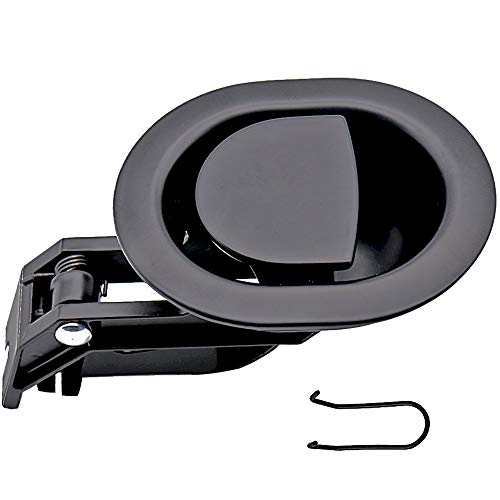
ttmagic Universal Heavy-Duty Metal Sofa Chair Recliner Release Pull Handle Replacement Parts, Fits Ashley, Lazy Boy and Most Recliner Brands, 3.5"L x 3"W x 1.2"H Handle Size
Check price on Amazon
Nonley Recliner Pull Handle - Universal Replacement Parts for Most Major Recliner Couch Sofa Chair Furniture
Check price on Amazon
KUANYUOO Universal Heavy-Duty Metal Pull Recliner Handle with Cable (Exposed Adjustable 4.7" to 5.2"), Fits Ashley and Other Manufacturer Brands Chair Release Handle for Sofa or Recliner
Check price on Amazon
Nonley Sofa Recliner Cables, 2 Pack Couch Release Cables Recliner Replacement Parts D Ring Couch Recliner Pull Handle, Hook Exposed Cable with S Tip for Sofa, Black
Check price on Amazon
Nonley Heavy-Duty Metal Recliner Handle Replacement Parts with Cable, Recliner Pull Handle Release Fits Most Major Recliner Couch Sofa Chair
Check price on Amazon
Komokeru 2 Pack Recliner Cable Replacement Sofa Recliner Parts, D-Ring Release Pull Handle for Couch Sofa Recliner Repair, Exposed Length 4.72" with S Tip
Check price on Amazon
ttmagic Sofa Chair Recliner Release Pull Handle 3" by 3.5" Replacement Parts with Cable, Fits Ashley Lazy Boy and Most Recliner Brands Couch Sofa Chair Furniture, Exposed Cable Length 4.9"
Check price on AmazonFrequently Asked Questions About Manual Recliner Sofas
Are manual recliners as comfortable as power recliners?
Yes, manual recliners can be just as comfortable. The main difference is the operation method. With a manual recliner, you control the recline with a lever or push-back motion. The comfort comes from the cushioning, lumbar support, and footrest design — not the mechanism. Many people find manual recliners more satisfying because of the tactile feedback.
How long do manual recliner mechanisms last?
The lifespan depends on the quality of the mechanism and how well it's maintained. Entry-level mechanisms may last a few years with moderate use, while premium mechanisms in high-end recliners can last a decade or more. Regular lubrication and avoiding excessive force will extend the life of your manual recliner.
Can I repair a manual recliner mechanism myself?
Many common issues, such as squeaks, stiff levers, or loose bolts, can be fixed with basic tools and a little know-how. Our recliner mechanism repair guide covers step-by-step repairs. However, if the mechanism is severely damaged or the frame is compromised, it's best to consult a professional.
Do manual recliners need to be plugged in?
No, manual recliners are entirely mechanical and do not require electricity. This makes them ideal for rooms without easily accessible outlets. If you want the convenience of power without the cords, consider a battery backup option for a power recliner.
What is the difference between a manual recliner and a push-back recliner?
A manual recliner typically uses a lever to release the mechanism, while a push-back recliner (also called a pressure recliner) has no lever — you simply lean back to recline. Push-back recliners are often used in wall hugger designs because they require less clearance.
Can I add a manual recliner to my existing sofa set?
It's possible, but matching the style, upholstery, and color can be challenging. Many manufacturers offer modular pieces, such as a modular recliner sofa, that can be combined with existing furniture. If you're looking to create a cohesive set, consider buying a complete 3-seater recliner sofa or sectional.
Final Thoughts: Is a Manual Recliner Right for You?
A manual recliner sofa offers a blend of simplicity, reliability, and classic comfort that many homeowners still prefer over motorized alternatives. They are generally more affordable, easier to maintain, and less prone to electronic failures. If you value a hands-on, dependable piece of furniture that you can adjust with a simple motion, a manual recliner is an excellent choice.
Before you buy, make sure you've considered your space, your comfort needs, and the upholstery that best fits your lifestyle. Use our first recliner sofa checklist to guide your decision, and explore our shopping & reviews hub for more recommendations.
Whether you're looking for a cozy single recliner chair or a spacious sectional, a manual recliner can transform your living room into a haven of relaxation. Take your time, do your research, and enjoy the journey to finding your perfect seat.