
Recliner Odor Removal Guide: Eliminate Smells & Freshen Your Sofa
Discover proven methods to remove stubborn odors from your recliner sofa. From smoke and pet smells to musty dampness and food spills — learn how to restore freshness safely.
VIEW REMOVAL METHODSWhy This Guide Matters: Your recliner sofa is where you relax, unwind, and spend quality time with family. Over time, upholstery absorbs odors from cooking, pets, smoke, sweat, and everyday life. Before you consider replacing your furniture or hiring professional cleaners, there are effective, safe methods you can use at home. This comprehensive guide walks you through identifying odor sources, choosing the right removal approach for your upholstery type, and preventing future smells — so your recliner stays fresh and inviting for years to come.
🔑 Key Takeaways
- Different odors require different removal approaches — identify the source first
- Baking soda and white vinegar are safe, effective natural odor neutralizers
- Enzymatic cleaners are essential for pet urine and organic stains
- Leather and fabric upholstery need distinct cleaning methods
- Prevention through ventilation, covers, and routine care saves effort long-term
Understanding Where Recliner Odors Come From
Before reaching for any cleaner, it helps to understand what you're actually dealing with. Odors in recliner sofas typically originate from one or more of these sources:
Body Oils & Sweat
Everyday use deposits natural oils and perspiration into upholstery, especially on armrests, headrests, and seat cushions. This creates a stale, sour smell over time that builds gradually and can be difficult to notice until it becomes pronounced.
Pet Odors
Pet hair, dander, saliva, and accidents leave behind proteins that continue to emit odor even after surface cleaning. Standard cleaners mask the smell temporarily; enzymatic products break down the source.
Smoke & Tobacco
Smoke particles embed deeply into foam padding and fabric fibers. The smell lingers for months or years without proper treatment. If your recliner came from a smoking household, this requires special attention.
Musty & Mildew
Trapped moisture in humid environments or from undried spills encourages mold and mildew growth. This produces an earthy, unpleasant smell and can affect indoor air quality. See our recliner mold prevention guide for proactive solutions.
Food & Beverage Spills
Coffee, juice, milk, and greasy foods seep into padding. If not cleaned promptly, they ferment or turn rancid, creating sour or stale odors. Quick action after spills is critical.
Humidity & Dampness
High humidity promotes bacterial growth in upholstery. In coastal or tropical climates, recliners can develop a characteristic damp smell. Learn how to manage this with our recliner humidity care guide.
First Step: Identify Your Recliner's Upholstery Type
Your cleaning approach depends heavily on what your recliner is covered in. Using the wrong method can damage leather, set stains, or void warranties. Check your furniture tag or owner's manual if unsure. For a deeper understanding of materials, visit our materials and upholstery hub.
| Upholstery Type | Safe Odor Removal Methods | Methods to Avoid |
|---|---|---|
| Leather (full grain, top grain) | Diluted vinegar solution, leather-safe cleaners, conditioning | Excess water, harsh solvents, baking soda left on surface |
| Bonded Leather | Gentle leather cleaner, light vinegar mist, airing out | Saturating, scrubbing, alcohol-based products |
| Fabric (microfiber, linen, cotton) | Baking soda, vinegar spray, enzymatic cleaners, steam | Over-wetting, bleach on colored fabric |
| Velvet | Dry methods first (baking soda), professional cleaning for deep odors | Water-based sprays, rubbing, heat |
| Performance Fabric | Most cleaners safe, enzymatic products, steam cleaning | Harsh abrasives, prolonged moisture |
⚠️ Always Test First: Before applying any liquid product, test on a hidden area such as the back or underside of the recliner. Wait 24 hours to check for discoloration, stiffening, or damage before treating visible surfaces.
Effective Odor Removal Methods by Type
Method 1: The Baking Soda Dry Treatment
Best for: Fabric upholstery, general musty odors, light smoke smell, and maintenance freshening.
Baking soda is a natural deodorizer that absorbs odors rather than masking them. It's safe, inexpensive, and effective for most fabric recliners.
- Vacuum the entire recliner thoroughly using a brush attachment to remove loose debris, hair, and surface particles.
- Sprinkle a generous layer of baking soda over all fabric surfaces — seat, backrest, armrests, and footrest.
- Use a soft brush to gently work the powder into the fabric fibers.
- Let it sit for at least 24 hours. For strong odors, leave it for 48 hours.
- Vacuum thoroughly using a brush attachment. Repeat if the odor persists.
💡 Pro Tip: Add a few drops of essential oil (lavender, tea tree, or eucalyptus) to the baking soda before sprinkling for a subtle fresh scent. Avoid citrus oils on light-colored fabric as they may stain.
Method 2: White Vinegar Spray Solution
Best for: Fabric upholstery, smoke odors, pet smells, and general mustiness.
White vinegar neutralizes odors at the molecular level. The vinegar smell disappears as it dries, taking the unwanted odor with it.
- Mix equal parts white vinegar and distilled water in a clean spray bottle.
- Test on a hidden area first. Wait 24 hours to ensure no discoloration occurs.
- Lightly mist the affected surfaces. Do not saturate — you want damp, not wet.
- Allow to air dry completely in a well-ventilated room. Open windows or use a fan.
- For severe odors, repeat after the surface has fully dried.
For leather recliners, use a more diluted solution (1 part vinegar to 3 parts water) and wipe with a soft cloth rather than spraying. Always follow with a leather conditioner to prevent drying. See our recliner conditioning guide for proper aftercare.
Method 3: Enzymatic Cleaners for Organic Odors
Best for: Pet urine, vomit, milk spills, and other protein-based odors.
Enzymatic cleaners contain beneficial bacteria that break down the proteins and organic matter causing odors. They don't just mask smells — they eliminate the source.
- Blot up any wet residue first with clean paper towels or cloths.
- Apply the enzymatic cleaner according to product directions, usually by spraying or pouring directly onto the affected area.
- Allow it to penetrate deep into the padding. For thick cushions, you may need to apply more.
- Let it work for the recommended time — typically 10 to 30 minutes, or longer for deep odors.
- Blot dry with clean cloths, then allow to air dry completely.
💡 Pro Tip: For pet accidents that have soaked into foam, you may need to apply the enzymatic cleaner multiple times over several days. Be patient — breaking down dried proteins takes time.
Method 4: Activated Charcoal & Odor Absorbers
Best for: Ongoing odor absorption, smoke smell, and enclosed spaces.
Activated charcoal and commercial odor absorbers work passively to pull odors from the air and surrounding materials. They're ideal for maintenance and for treating recliners in enclosed rooms.
- Place activated charcoal bags or bowls of charcoal near the recliner, especially underneath and behind it.
- For enclosed spaces, place charcoal inside the recliner's crevices or under cushions.
- Replace or refresh charcoal every 1–2 months for best results.
- Bowls of white vinegar or coffee grounds also work as passive absorbers.
Pair this with proper room ventilation. Our recliner room ambience guide covers air quality and comfort optimization.
Method 5: Steam Cleaning for Deep Odor Removal
Best for: Fabric recliners with deeply embedded odors, especially from sweat, pets, or smoke.
Steam cleaning uses hot vapor to penetrate deep into upholstery fibers, killing bacteria and releasing trapped odors. It's one of the most effective methods for stubborn smells.
- Vacuum the recliner thoroughly first to remove loose debris.
- Use a fabric-safe upholstery steam cleaner or a handheld steamer with a brush attachment.
- Work in sections, moving the steamer slowly over the surface. Don't hold it in one spot too long.
- Allow the recliner to dry completely in a well-ventilated area — this may take several hours.
- Once dry, follow with a baking soda treatment if any odor remains.
⚠️ Caution: Steam cleaning isn't recommended for leather or bonded leather — moisture can damage the finish. For leather recliners, use our leather recliner cleaning guide for safe methods.
Method 6: Professional Cleaning & Ozone Treatment
Best for: Severe odors, smoke damage, mold, and situations where home methods fail.
When odors are deeply embedded or come from mold or years of smoke exposure, professional intervention may be necessary. Professional upholstery cleaners use industrial-grade equipment and can apply ozone treatments that neutralize odors at the molecular level.
Consider professional help if:
- Multiple home treatments have failed to eliminate the odor
- You suspect mold growth inside the padding (see our mold prevention guide)
- The recliner came from a smoking environment and the smell persists after several treatments
- The odor is accompanied by visible staining or structural damage
For vintage or antique recliners, consult our antique recliner restoration guide for specialized care recommendations.
Specific Odor Scenarios & Targeted Solutions
Smoke Odor in a Recliner Sofa
Smoke is one of the most challenging odors to remove because particles penetrate deep into foam and fabric. Here's a targeted approach:
- Remove all cushions and vacuum every surface — including under and behind the recliner.
- Wipe down non-fabric surfaces (frame, legs, mechanism) with a vinegar solution.
- Apply a generous baking soda layer to fabric surfaces and let sit 48 hours.
- Vacuum thoroughly, then spray with a vinegar-water solution.
- Place activated charcoal or bowls of vinegar around the recliner.
- Increase ventilation — open windows and use fans for several days.
- If the smell persists after a week, consider professional ozone treatment.
Pet Odor Removal from Recliner Upholstery
Pet odors — especially urine — require enzymatic treatment because the proteins bind tightly to fibers. Standard cleaners won't fully eliminate them.
- Vacuum thoroughly to remove hair, dander, and dried particles.
- Identify all affected areas — use a blacklight if needed to find old urine spots.
- Apply enzymatic cleaner generously to each spot, saturating the padding.
- Allow the cleaner to work for the full recommended time — do not rush.
- Blot dry, then let air dry completely. Repeat if odor remains after 24 hours.
- For severe cases, follow with a baking soda treatment after the enzymatic cleaner has dried.
💡 Pro Tip: Consider a waterproof recliner cover if pets regularly use the furniture. Our recliner sofa cover guide covers protective options.
Musty & Mildew Smell
A musty smell indicates moisture trapped in the upholstery or foam. Address the moisture source first, then treat the odor.
- Move the recliner to a well-ventilated area or increase airflow with fans.
- Use a dehumidifier in the room to reduce ambient moisture.
- Apply a vinegar-water spray to fabric surfaces and allow to dry completely.
- Sprinkle baking soda, leave for 24 hours, then vacuum.
- For leather, wipe with a diluted vinegar solution and condition afterward.
- If mold is visible or the smell returns, consider professional treatment.
Prevention is key — learn how to manage humidity year-round with our recliner humidity care guide.
Food & Beverage Spill Odors
Spills that aren't cleaned promptly can turn rancid or sour. Immediate action is best, but older stains can still be addressed.
- Blot up any remaining moisture with clean cloths.
- For fresh spills, mix a small amount of dish soap with warm water and gently blot the area.
- For older, dried spills, apply an enzymatic cleaner to break down organic residue.
- Follow with a vinegar spray to neutralize remaining odors.
- Finish with a baking soda treatment if any smell lingers.
For stain-specific treatment, see our recliner stain removal guide.
Preventing Future Recliner Odors
The best odor removal strategy is prevention. These habits keep your recliner fresh and reduce the frequency of deep cleaning.
Regular Vacuuming
Vacuum your recliner every 1–2 weeks using a brush attachment. This removes dust, dander, and particles before they embed and cause odors.
Immediate Spill Response
Blot spills immediately — don't rub. The longer a spill sits, the more it penetrates and the harder it is to remove the odor.
Improve Air Circulation
Keep the room ventilated. Use ceiling fans, open windows when possible, and avoid pushing the recliner flush against walls. See our room ambience guide for layout tips.
Use Protective Covers
Washable recliner covers create a barrier between upholstery and everyday oils, spills, and pet hair. They're especially useful in homes with pets or children.
Control Humidity
Keep indoor humidity between 30–50%. Use a dehumidifier in damp climates or during rainy seasons. Our winter moisture control guide covers seasonal strategies.
Rotate Cushions
If your recliner has removable cushions, rotate and flip them monthly. This prevents uneven wear and allows each side to air out.
Avoid Eating on the Recliner
Designate the recliner as a food-free zone if possible. This prevents crumbs, grease, and spills from becoming odor sources.
Baking Soda Maintenance
Apply a light baking soda treatment monthly as a preventive measure — especially in homes with pets or smokers.
What NOT to Do When Removing Recliner Odors
Some common mistakes can make odors worse or damage your furniture. Avoid these:
- Don't saturate fabric: Excessive moisture can seep into foam and cause mold — creating a worse odor problem than you started with.
- Don't use bleach on colored upholstery: It can strip color and damage fibers. Use oxygen-based cleaners if disinfection is needed.
- Don't use harsh chemicals on leather: Alcohol, ammonia, and abrasive cleaners damage the finish and cause cracking. Stick to leather-safe products.
- Don't mask odors with air fresheners: This only temporarily covers the smell. Address the source instead.
- Don't ignore mold: If you see or smell mold, don't just treat the surface. The problem may be inside the padding, requiring professional attention.
- Don't scrub aggressively: Aggressive scrubbing can push odors deeper and damage upholstery fibers.
- Don't skip the test patch: Always test any product on a hidden area first.
Frequently Asked Questions
Start by vacuuming all surfaces thoroughly. Apply a generous baking soda layer and let it sit for 24–48 hours, then vacuum. For deeper odors, use a vinegar and water solution (50/50 mix) on fabric upholstery, or a leather-safe cleaner for leather recliners. Place activated charcoal bags or bowls of white vinegar near the recliner to absorb remaining odors. Increase ventilation and repeat treatments as needed.
A musty smell typically indicates moisture trapped in the upholstery or foam padding, which can lead to mold and mildew growth. This often happens in humid environments or when spills aren't properly dried. Address it by improving air circulation, using a dehumidifier, and treating the upholstery with a vinegar solution. Our mold prevention guide covers long-term solutions.
Yes, baking soda is one of the safest and most effective natural odor removers for recliner sofas. Sprinkle a generous layer over fabric upholstery, let it sit for at least 24 hours to absorb odors, then vacuum thoroughly. For leather recliners, avoid leaving baking soda directly on the surface for extended periods, as it can be drying.
First vacuum thoroughly to remove hair and dander. Use an enzymatic cleaner specifically designed for pet odors, as it breaks down the proteins in urine and other pet messes. Apply according to product directions, allowing it to penetrate the padding. For severe odors, you may need multiple applications over several days. Consider a waterproof cover for prevention.
White vinegar is excellent for neutralizing many types of odors in recliner upholstery. Mix equal parts white vinegar and water in a spray bottle, lightly mist the fabric (test a hidden area first), and allow it to air dry. The vinegar smell dissipates as it dries, taking the unwanted odors with it. For leather, use a diluted vinegar solution sparingly and condition afterward.
For most households, a deep clean every 3–6 months is sufficient. If you have pets, smokers, or live in a humid climate, aim for every 2–3 months. Regular vacuuming every 1–2 weeks and prompt spill cleanup will extend the time between deep cleans significantly.
Ready to Refresh Your Recliner?
Explore our recommended odor-eliminating products and recliner care essentials to keep your sofa fresh and comfortable year-round.
EXPLORE CARE ESSENTIALSRecommended Odor Removal & Recliner Care Products
⚠️ AFFILIATE DISCLOSURE: This website contains affiliate links. As an affiliate Associate, we earn from qualifying purchases. If you make a purchase through these links, we may receive a small commission at no additional cost to you. Read our full affiliate policy.

Guardsman 462600 Fabric Stain & Odor Eliminator, For Upholstery & Rugs, Removes Food Stains, Grease, Coffee, Red Wine, Blood, Pet Stains, 16 Fl Oz, 2 Pack
Check price on Amazon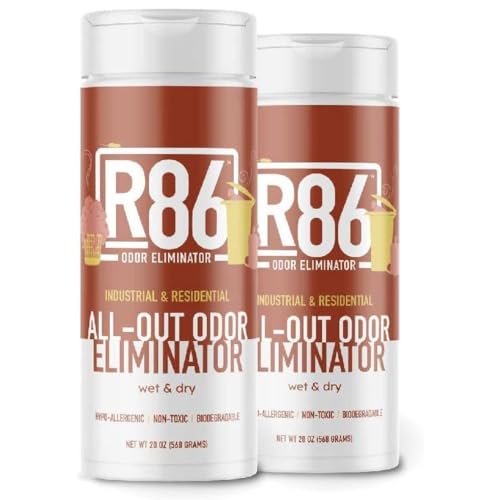
R86 Industrial All-Out Odor Eliminator, Removes Dead Animal Odor, Skunk Odor, Urine, Poop, Musty Basement & More – Natural Formula, Use Wet or Dry
Check price on Amazon
CLEVAST Bamboo Charcoal Air Purifying Bags - (Large, 4×200g), Removes Odors and Moisture, Nature Fresh Air Purifier Bags, Odor Eliminator for Home, Car, Pets, Bathroom, Basement
Check price on Amazon
Ozone Odor Eliminator for Strong Odor 99% Cat Litter Deodorizer Dog Poof Odor Removal Air Ionizers for Home Portable Air Purifier Bedroom Toilet, Kitchen, Pets, Shoe, Smoke, Formaldehyde Air Freshener
Check price on Amazon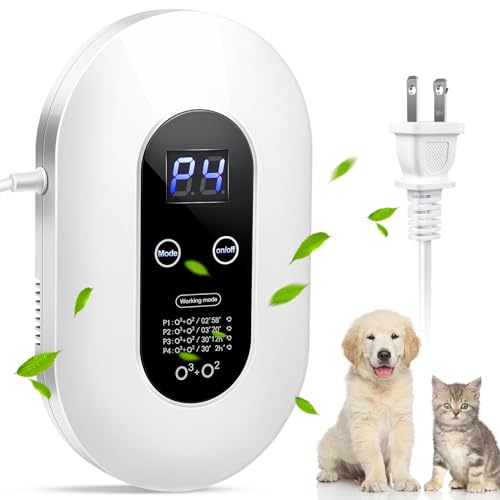
Ozone Odor Eliminator for Strong Odor 99% Cat Litter Deodorizer Dog Poof | Odor Removal Air Ionizers Home Ozone Air Purifier for Bedroom, Pets, Toilet, Kitchen, Smoke, Formaldehyde Air Freshener
Check price on Amazon
Shark Deep Clean Pro & OXY Formula Bundle for Tough Stains/Odor PXCMBUNDLE | For Shark StainStriker Portable Carpet, Upholstery & Rug Cleaners, Removes Tough Stains & Odors, 32oz OXY + 16oz Pro
Check price on Amazon
Fuller Brush Upholstery Cleaner – Foaming Multi-Surface Spray for Fabric, Carpet, Vinyl & Car Seats – Removes Stains & Odors Without Residue – Restores & Refreshes – 22 oz (Pack of 2)
Check price on Amazon