
Recliner Spec Glossary: Every Term You Need to Know
Confused by recliner specifications? From mechanism types to upholstery grades, our comprehensive glossary decodes the jargon so you can buy with confidence and get the perfect recliner for your home.
START LEARNINGWhy This Glossary Matters: When you shop for a recliner, you will encounter dozens of technical terms — "wall hugger," "zero gravity," "top grain leather," "sinuous spring," "lay-flat mechanism." Without understanding these specifications, it is easy to pay for features you do not need or overlook features that matter. This glossary translates industry jargon into plain English, giving you the knowledge to compare models intelligently and ask the right questions before you buy. Whether you are browsing a shopping hub or reading a product listing, these definitions will help you make a confident, informed decision.
Recliner Mechanism Terms
The mechanism is the mechanical heart of any recliner. Understanding these terms helps you evaluate how a recliner moves, how it performs over time, and whether it suits your space and lifestyle.
Manual Recliner Mechanism
A spring-loaded or push-back system that requires you to lean back or pull a lever to recline. Manual mechanisms are simpler, lighter, and generally more affordable than power systems. They have fewer electronic components that can fail. For a detailed breakdown, see our power vs manual recliner comparison.
Power Recliner Mechanism
An electric motor-driven system that reclines and returns at the push of a button. Power mechanisms offer smooth, effortless motion and often include additional features like adjustable headrests, lumbar support, and USB charging. They require a power source and typically cost more than manual models.
Wall Hugger Mechanism
A space-saving design that allows the recliner to sit closer to the wall — typically 4 to 6 inches — by moving the seat forward as the backrest reclines, rather than the backrest moving backward. This is essential for small rooms. Learn more in our wall hugger vs standard recliner guide.
Zero Gravity Mechanism
A mechanism that elevates the legs above heart level and tilts the torso back, mimicking the weightless posture astronauts experience during launch. This position reduces pressure on the spine and improves circulation. See our zero gravity vs standard recliner comparison.
Lift Assist Mechanism
A motorized system that gently tilts the entire chair forward to help the user stand up. Designed primarily for elderly or mobility-limited users. Often includes a full power recliner function as well. Also called a "lift chair" or "riser recliner."
Glider Mechanism
A base that allows the chair to glide forward and backward smoothly, often combined with a reclining function. Glider recliners are popular in nurseries and living rooms where gentle motion is desired. See our glider recliner guide.
Swivel Mechanism
A base that allows the chair to rotate 360 degrees. Often combined with gliding and reclining functions. Swivel recliners are ideal for open-plan spaces where you want to change viewing angles easily.
Lay-Flat Mechanism
A mechanism that allows the recliner to recline to a nearly horizontal position — approximately 170 to 180 degrees — creating a flat sleeping surface. This is a common feature in RV recliner sleeper sofas and home theater seating.
Push-Back Recliner
A manual recliner that requires no levers or handles. You simply push back against the backrest, and the footrest extends automatically. Simple and intuitive, but may require some effort for users with limited strength.
Handle Pull Recliner
A manual recliner operated by a lever or handle on the side. Pulling the handle releases the footrest and allows the backrest to recline. The handle is typically metal or heavy-duty plastic. See our sofa recliner pull handle guide.
Toggle Switch Recliner
A power recliner controlled by a simple on/off toggle switch, usually mounted on the side of the chair or on a wired remote. Basic but reliable. More advanced models use multi-button remotes with memory presets.
Memory Preset
A power recliner feature that allows you to save your favorite reclined positions and return to them with a single button press. Common in high-end and luxury power recliners, especially those with adjustable headrests and lumbar support.
Power & Motor Terms
Power recliners rely on electric motors and control systems. These terms help you understand what powers the motion, how it is controlled, and what to consider for installation and backup.
Linear Actuator Motor
The most common type of motor used in power recliners. It converts rotational motion into linear (straight-line) motion to push and pull the reclining mechanism. Quality actuators are quiet, smooth, and rated for thousands of cycles. See our recliner motor guide.
Dual Motor vs Single Motor
A single-motor recliner controls the backrest and footrest together as one unit. A dual-motor system allows independent control of the headrest/backrest and the footrest, enabling more precise positioning. Dual-motor systems are common in premium and luxury recliners.
Remote Control
A handheld or wired device for operating a power recliner. Basic remotes have up/down buttons; advanced remotes include memory presets, USB charging ports, and even massage controls. See our recliner remote control guide.
Battery Backup
A battery pack that allows a power recliner to operate during a power outage. Essential for users who rely on the recliner for mobility or medical reasons. See our recliner battery backup guide.
USB Charging Port
A built-in USB port — usually located on the side of the recliner or integrated into the remote — that allows you to charge phones and tablets while relaxing. See our recliner USB charging guide.
Low-Voltage DC Motor
A motor that runs on low-voltage direct current, typically 24V or 12V. These are safer and more energy-efficient than AC motors. Most modern power recliners use low-voltage DC motors, often paired with a power adapter that plugs into a standard wall outlet.
Transformer / Power Adapter
A device that converts standard household AC power into the low-voltage DC power required by the recliner motor. Often a small black box that plugs into the wall and connects to the recliner via a cable. See our recliner electrical setup guide.
Daisy Chain
A wiring configuration that allows multiple power recliners in a sectional or theater row to share a single wall outlet. Each recliner connects to the next, and only one plugs into the wall. Important for large sectional power recliner sofas.
Upholstery Terms
The upholstery determines how your recliner looks, feels, and holds up over time. These terms cover leather grades, fabric types, and key performance characteristics.
Full Grain Leather
The highest quality leather, made from the outermost layer of the hide with all natural grain intact. It is the most durable, develops a rich patina over time, and breathes well. Found only in luxury and high-end recliners. See our full grain leather recliner guide.
Top Grain Leather
The second-highest grade of leather. The outermost layer is lightly sanded to remove imperfections, then refinished. It is softer and more uniform than full grain but slightly less durable. Common in premium recliners. See our top grain leather recliner guide.
Bonded Leather
A manufactured material made from leather scraps and fibers bonded together with a polyurethane binder, then embossed with a leather grain pattern. Less durable and less breathable than genuine leather. Found in entry-level and budget-friendly recliners. See our bonded leather recliner guide.
Faux Leather / PU Leather
A synthetic material designed to mimic the look of leather. Typically made from polyurethane (PU) or vinyl. It is affordable, easy to clean, and animal-friendly, but less breathable and less durable than genuine leather. See our faux leather recliner guide.
Microfiber
A synthetic fabric made from ultra-fine fibers, often polyester or nylon. It is soft, durable, stain-resistant, and easy to clean. Microfiber recliners are a popular mid-range alternative to leather. See our microfiber recliner guide.
Performance Fabric
A specially engineered fabric designed to resist stains, spills, fading, and wear. Often treated with a protective coating. Ideal for families with children or pets. See our performance fabric recliner guide.
Velvet
A luxurious, plush fabric with a dense, soft pile. Velvet recliners add elegance and warmth to a room but require more careful maintenance than microfiber or leather. See our velvet recliner guide.
Linen
A natural fabric made from flax fibers. Linen is breathable, lightweight, and has a relaxed, natural look. It wrinkles easily and is less resistant to stains than synthetic fabrics. See our linen recliner guide.
Woven Fabric
A broad category of fabrics created by weaving threads together. Includes cotton, polyester blends, and synthetic weaves. Durable and available in a wide range of colors and patterns. See our woven fabric recliner guide.
Distressed Leather
Leather that has been intentionally treated to create a worn, vintage appearance. The distressing process may involve sanding, rubbing, or applying oils. Popular in rustic and industrial styles. See our distressed leather recliner guide.
Two-Tone Upholstery
A design that combines two different colors or materials on the same recliner — for example, a dark leather body with lighter leather accents or fabric side panels. See our two-tone recliner guide.
Matte vs Gloss Finish
Matte finishes absorb light and have a soft, non-reflective appearance. Gloss finishes reflect light and have a shiny, polished look. Matte is more forgiving of fingerprints and wear; gloss is more dramatic but shows smudges. See our matte vs gloss recliner finish guide.
Frame & Filling Terms
The frame provides structural support, while the filling determines comfort and shape retention. These terms help you assess build quality and long-term durability.
Hardwood Frame
A frame made from solid hardwood such as oak, maple, or poplar. Hardwood frames are the most durable and resistant to warping, cracking, and sagging. Found in premium and luxury recliners. See our hardwood recliner frame guide.
Plywood Frame
A frame made from engineered wood composed of thin layers of wood veneer glued together. Plywood is strong, stable, and less expensive than solid hardwood. Common in mid-range recliners. High-quality plywood frames can last many years.
Metal Frame
A frame made from steel or aluminum. Metal frames are extremely strong and durable, often used in commercial-grade or heavy-duty recliners. They are heavier than wood frames and may be more expensive. See our metal recliner frame guide.
Engineered Wood
A composite material made from wood particles, fibers, or veneers bonded with adhesive. Includes MDF (medium-density fiberboard) and particleboard. Less durable than solid wood or plywood but very affordable. Found in entry-level recliners.
Memory Foam
A viscoelastic foam that responds to body heat and pressure, molding to your shape and returning slowly to its original form. Memory foam provides excellent pressure relief and conforming support. See our memory foam recliner guide.
High-Density Foam
Foam with a higher density rating (typically 1.8 lbs/ft³ or higher) that resists sagging and retains its shape longer than low-density foam. High-density foam is a hallmark of quality recliner seating. See our high density foam recliner guide.
Down-Filled Cushions
Cushions filled with natural duck or goose down feathers. Down provides a soft, luxurious, sink-in feel but requires regular fluffing and may trigger allergies. Often blended with foam for structure. See our down filled recliner guide.
Sinuous Spring Suspension
A seating support system made from S-shaped metal springs arranged in rows. Sinuous springs provide even support and are more durable than webbing or elastic straps. Common in mid-range and premium recliners.
Pocket Coil Suspension
A premium seating support system where each coil spring is individually wrapped in fabric and placed in a pocket. Pocket coils provide targeted support and minimize motion transfer. Found in high-end recliners.
Webbing Suspension
A seating support system made from interwoven elastic or rubber straps. Webbing is lightweight and inexpensive but less durable than springs. Found in entry-level and budget-friendly recliners.
Comfort & Ergonomics Terms
Comfort is subjective, but these specifications help you evaluate how well a recliner supports your body and adapts to your needs.
Lumbar Support
The portion of the recliner backrest designed to support the natural curve of your lower spine. Adjustable lumbar support allows you to increase or decrease the firmness or position of the support. See our recliner lumbar support guide.
Headrest Adjustment
A feature that allows the headrest to tilt forward or backward independently of the backrest. Adjustable headrests are essential for reading, watching TV, or using a phone while reclined. See our recliner headrest adjustment guide.
Footrest Position
The angle and height of the footrest when extended. A good footrest supports the legs without creating pressure behind the knees. Some recliners offer adjustable footrest angles. See our recliner footrest position guide.
Seat Depth
The distance from the front edge of the seat cushion to the backrest. Standard seat depth is 20 to 22 inches; shallow is under 20 inches; deep is over 22 inches. Choose based on your height and leg length. See our recliner seat depth guide.
Seat Height
The distance from the floor to the top of the seat cushion. Standard seat height is 18 to 20 inches. A seat height that allows your feet to rest flat on the floor with knees at a 90-degree angle is ideal. Critical for users with mobility concerns.
Weight Capacity
The maximum weight the recliner is designed to support safely. Standard recliners typically support 250 to 300 lbs; heavy-duty models support 350 to 500 lbs or more. Always check the weight capacity before buying. See our recliner weight capacity guide.
Ergonomic Recliner
A recliner designed with body mechanics in mind, providing proper support for the spine, neck, and legs. Ergonomic features may include adjustable lumbar support, headrest, footrest, and armrests.
Pressure Relief
The ability of a recliner to distribute body weight evenly and reduce pressure points, particularly on the tailbone, hips, and heels. Memory foam and high-density foam are key to pressure relief.
Lay-Flat Recline
A recline angle of approximately 170 to 180 degrees, creating a nearly flat sleeping surface. Lay-flat recliners are ideal for napping and are common in home theater and RV applications.
TV Position
A partially reclined position — typically around 45 degrees — that is ideal for watching television. The backrest is tilted back, and the footrest is extended, creating a comfortable viewing posture.
Zero Gravity Position
A reclined position where the legs are elevated above the heart and the torso is tilted back, reducing spinal pressure and improving circulation. See our zero gravity recliner guide.
Trendelenburg Position
A position where the body is laid flat on the back with the feet elevated above the head. Used in medical settings and some zero gravity recliners. Not typically recommended for extended use without medical advice.
Size & Layout Terms
Understanding recliner dimensions and space requirements is essential for a comfortable and functional living room. These terms help you plan your layout with confidence.
Recliner Dimensions
The three key measurements of a recliner: width, depth (front to back when upright), and height. Also consider the fully reclined depth (how far the footrest extends) and the wall clearance required. See our recliner size chart.
Wall Clearance
The minimum distance the recliner must be placed from the wall to allow full recline without hitting the wall. Standard recliners need 12 to 18 inches; wall hugger recliners need only 4 to 6 inches. See our recliner wall clearance guide.
Fully Reclined Depth
The total depth of the recliner when fully reclined, from the back of the backrest to the end of the extended footrest. This measurement is critical for ensuring the recliner fits in your room without blocking walkways.
Seat Width
The width of the seating area between the armrests. Standard seat width is 20 to 24 inches; wide seat recliners offer 25 to 30 inches or more. Important for larger users or those who want extra room.
Armrest Height
The distance from the floor to the top of the armrest. Standard armrest height is 24 to 26 inches. Armrests that are too high can cause shoulder strain; too low can reduce support.
Sectional Recliner
A large seating configuration that combines reclining seats with a sectional layout — typically L-shaped or U-shaped. Sectional recliners offer ample seating and are ideal for open-plan living rooms. See our recliner sectional sofa guide.
Loveseat Recliner
A two-seat recliner, also called a double recliner or recliner loveseat. Perfect for couples or small spaces. Some loveseats have dual reclining seats; others have one reclining seat and one fixed seat. See our recliner loveseat guide.
Home Theater Recliner
A row of connected recliners designed for media rooms. Home theater recliners often include cup holders, storage compartments, and power recline. See our home theater recliner guide.
Modular Recliner
A recliner made from individual modules that can be rearranged to create different configurations. Modular recliners offer flexibility for changing spaces. See our modular recliner sofa guide.
Chaise Recliner
A recliner with an extended footrest area that functions like a chaise lounge. The seat is longer, allowing you to stretch out fully. Often found in sectional sofa recliners with chaise.
Corner Recliner
A recliner designed to fit into a corner, often with a wedge-shaped or curved back. Corner recliners maximize seating in small spaces. See our small corner sectional sofa with recliner guide.
Console Recliner
A recliner with a built-in center console between two seats. The console typically includes cup holders and a storage compartment. Common in home theater seating and recliner sofas with cup holders.
Care & Maintenance Terms
Proper care extends the life of your recliner. These terms cover cleaning, conditioning, and repair concepts.
Leather Conditioning
The process of applying a leather conditioner to keep leather supple, hydrated, and resistant to cracking. Recommended every 6 to 12 months for leather recliners. See our recliner conditioning guide.
Fabric Protection
A spray or treatment applied to fabric upholstery to repel stains and liquids. Fabric protectors can extend the life of your recliner and make cleaning easier. See our fabric recliner cleaning guide.
Stain Removal
The process of removing spills and stains from upholstery. Different techniques are required for leather, microfiber, velvet, and other fabrics. See our recliner stain removal guide.
Mechanism Lubrication
Applying lubricant to the moving parts of a recliner mechanism to reduce friction, eliminate squeaks, and ensure smooth operation. Recommended annually or as needed. See our recliner mechanism repair guide.
Motor Replacement
Replacing a failed or worn-out motor in a power recliner. Motor replacement is a common repair for older power recliners. See our recliner motor replacement guide.
Footrest Repair
Fixing issues with the footrest mechanism, such as sticking, sagging, or failure to extend. See our recliner footrest repair guide.
Squeak Fix
Eliminating squeaks and noises from a recliner by tightening bolts, lubricating joints, or replacing worn bushings. See our recliner squeak fix guide.
Odor Removal
Removing unpleasant smells from recliner upholstery using baking soda, vinegar, enzyme cleaners, or professional services. See our recliner odor removal guide.
Reupholstery
Replacing the fabric or leather on a recliner to give it a new look or extend its life. Reupholstery can be more cost-effective than buying a new recliner for high-quality frames. See our recliner reupholstery guide.
Mold Prevention
Keeping your recliner dry and well-ventilated to prevent mold and mildew growth, especially in humid climates. See our recliner mold prevention guide.
Sunlight Fade Prevention
Protecting your recliner from direct sunlight to prevent fading and deterioration of upholstery. Use curtains, blinds, or UV-protective window film. See our recliner sunlight fade prevention guide.
Humidity Care
Managing indoor humidity levels to protect your recliner from moisture damage, mold, and warping. Ideal indoor humidity is 40 to 50 percent. See our recliner humidity care guide.
Buying & Value Terms
These terms help you evaluate value, compare models, and make smart purchasing decisions without relying on price alone.
Entry-Level
The most affordable tier of recliners. Entry-level models typically use basic mechanisms, bonded leather or microfiber upholstery, and engineered wood frames. They are a good choice for occasional use or tight budgets.
Mid-Range
The middle tier of recliners, offering a balance of quality and affordability. Mid-range models often feature top grain leather or performance fabric, sinuous spring suspension, and more refined mechanisms. A popular choice for everyday use.
Premium
A higher tier of recliners with superior materials and construction. Premium models may include full grain leather, hardwood frames, power recline, adjustable headrests, and memory foam cushioning. Built for long-term durability and comfort.
Luxury
The highest tier of recliners, featuring the finest materials and craftsmanship. Luxury recliners often include full grain leather, hand-finished hardwood frames, dual-motor power recline, zero gravity positioning, and premium comfort features. Designed for discerning buyers.
Budget-Friendly
A descriptor for recliners that offer good value at a lower cost. Budget-friendly models may not have all the premium features but can still provide reliable comfort and durability for occasional use.
Mid-Tier
Another term for mid-range recliners. Mid-tier models sit between entry-level and premium, offering a balance of features, materials, and durability.
High-End
A term for premium or luxury recliners that feature the best materials and construction. High-end recliners are built to last and often include advanced comfort and convenience features.
Affordable
A relative term indicating that a recliner is priced reasonably within its tier. An affordable premium recliner is still more expensive than an entry-level model, but it offers good value for its quality level.
Warranty
A manufacturer's guarantee to repair or replace defective parts within a specified period. Recliner warranties often cover the frame (longest), mechanism (medium), and upholstery (shortest). Always read the warranty terms before buying. See our recliner warranty claim process guide.
Certified Pre-Owned
A used recliner that has been inspected, refurbished, and certified by the seller or manufacturer to meet quality standards. Certified pre-owned recliners can offer significant savings over new models. See our pre-owned recliner guide.
White Glove Delivery
A premium delivery service where the recliner is brought into your home, assembled, and set up in the desired location. Packaging materials are removed. Ideal for heavy or complex recliners.
Curbside Delivery
A basic delivery service where the recliner is left at the curb or outside your home. You are responsible for moving it inside and assembling it. Less expensive than white glove delivery.
Quick Reference: Mechanism Comparison
Use this table to quickly compare the most common recliner mechanisms and their key characteristics.
| Mechanism Type | Power Source | Wall Clearance | Best For | Typical Tier |
|---|---|---|---|---|
| Manual Push-Back | None (body weight) | 12–18 inches | Occasional use, simple operation | Entry-level to mid-range |
| Manual Handle Pull | None (lever) | 12–18 inches | Users who want more control | Entry-level to mid-range |
| Power Recliner | Electric motor | 12–18 inches | Effortless operation, limited mobility | Mid-range to luxury |
| Wall Hugger | Manual or power | 4–6 inches | Small rooms, tight spaces | Mid-range to premium |
| Zero Gravity | Manual or power | 6–12 inches | Pressure relief, health benefits | Premium to luxury |
| Lift Assist | Electric motor | 12–18 inches | Elderly, mobility-limited users | Mid-range to premium |
| Lay-Flat | Manual or power | 12–18 inches | Napping, RV use, theater rooms | Mid-range to luxury |
Quick Reference: Upholstery Durability
Compare upholstery options based on durability, maintenance, and comfort.
| Upholstery Type | Durability | Maintenance | Breathability | Typical Tier |
|---|---|---|---|---|
| Full Grain Leather | Excellent | Low (conditioning) | Excellent | Luxury |
| Top Grain Leather | Very Good | Low (conditioning) | Very Good | Premium |
| Bonded Leather | Fair | Low (wiping) | Poor | Entry-level |
| Faux Leather / PU | Fair | Low (wiping) | Poor | Entry-level |
| Microfiber | Very Good | Low (vacuuming) | Good | Mid-range |
| Performance Fabric | Excellent | Low (spot clean) | Good | Mid-range to premium |
| Velvet | Good | Medium (delicate) | Fair | Mid-range to premium |
| Linen | Fair | Medium | Excellent | Mid-range |
How to Use This Glossary When Shopping
Bookmark this page and return to it whenever you encounter a specification you do not understand. Before buying a recliner, make a list of the terms that matter most to you — for example, wall clearance if you have a small room, weight capacity if you need extra support, or upholstery grade if durability is your priority. Then, compare models using those criteria. For a step-by-step buying framework, see our first recliner sofa checklist and recliner buying mistakes guides.
Ready to Apply Your Knowledge?
Now that you understand the specifications, explore our curated recliner recommendations and find the perfect model for your home.
Explore Shopping & ReviewsRecommended Recliners for Informed Buyers
⚠️ AFFILIATE DISCLOSURE: This website contains affiliate links. As an affiliate Associate, we earn from qualifying purchases. If you make a purchase through these links, we may receive a small commission at no additional cost to you. Read our full affiliate policy.

BOSMILLER Recliner 3-Seat Sofa with Cup Holders for Living Room, Manual Sofa Recliner with Side Pocket
Check price on Amazon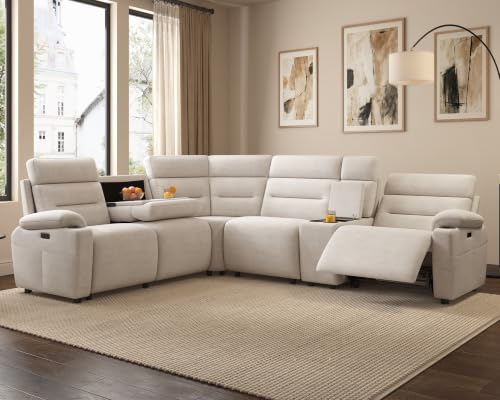
AMERLIFE L-Shaped Power Reclining Sectional Sofa for Living Room, Beige | Modular Power Sectional Recliner Couch,Fixed Console,Flip-Back,Cup Holders,USB,Hidden Storage,Linen Upholstery Sofa Moderno
Check price on Amazon
DRMBOOK 96'' RV 4 Seater Recliner Sofa, Velvet Fabric Three Camper Couch 4 Seater Recliner, Home Movie Theater Seating Sofa Chair, 4 Person Push Back Recliners for Living Room, Brown
Check price on Amazon
DG PEAFOWL Recliner Sofa, Home Theater Seating with Center Console, 4 Seat Reclining Couch with USB Ports & Phone Holders, Wall Hugger RV Sofa Furniture Loveseat Recliner Couch with Storage & Pocket
Check price on Amazon
RV Loveseat Recliner Sofa, Home Theater Seating with Console & Massage | Reclining Loveseat with USB, Wall Hugger RV Couch Movie Theater Chairs, RV Furniture with Cup Holders, Drawer for Gaming Room
Check price on Amazon
COMHOMA Manual Recliner Chair Set,Fabric Reclining Sofa Chair with Cup Holders, Upholstered Recliner with Side Pockets Suitable for Living Room Furniture (3)
Check price on Amazon
Reclining Sectional sofa, Reclining Sofa, Leather Sectional, Beige Brown | Power Reclining Sofa with Storage & USB, Adjustable Headrest & Cup Holders, Leather Sectional Couches for Living Room
Check price on Amazon
Signature Design by Ashley Next-Gen DuraPella Power Reclining Sofa, Sand | Zero Gravity Reclining Couch, Water-Repellent Polyester and PU Faux Leather, Living Room Use, Medium Plush Foam
Check price on AmazonFinal Thoughts: Knowledge Is Your Best Buying Tool
Understanding recliner specifications transforms you from a passive shopper into an empowered buyer. Instead of relying on marketing hype, you can evaluate a recliner based on its mechanism type, upholstery grade, frame construction, and comfort features. This glossary is your reference companion — use it to decode product listings, ask informed questions, and compare models with confidence.
Remember that the best recliner is not necessarily the one with the longest list of features or the highest tier designation. It is the one that fits your body, your space, and your lifestyle. A mid-range wall hugger with performance fabric might serve you better than a luxury zero gravity model if you have a small room and pets. The specifications are tools — use them to find the recliner that truly meets your needs.
As you continue your research, explore our other guides on materials and upholstery, comfort and setup, and care and maintenance. Each hub connects you to detailed articles that expand on the terms you have learned here.