
Recliner Footrest Position Guide
Discover the optimal footrest positions for your recliner to improve circulation, reduce leg fatigue, and achieve true ergonomic comfort. A complete guide for every recliner type and body type.
EXPLORE FOOTREST POSITIONSWhy footrest position matters: The footrest is one of the most overlooked yet impactful components of a recliner. The right position can mean the difference between a restorative rest and nagging discomfort. Whether you own a power or manual recliner, understanding how to position the footrest correctly will protect your knees, hips, and lower back while maximizing your relaxation.
📋 What You'll Learn in This Guide
- Why Footrest Position Matters
- The Anatomy of a Recliner Footrest
- Ideal Footrest Positions Explained
- Footrest Position by Mechanism Type
- Matching Footrest to Your Body Type
- Positioning for Different Activities
- How to Adjust Your Footrest Correctly
- Common Footrest Problems & Fixes
- Frequently Asked Questions
Why Footrest Position Matters for Your Comfort
The footrest of a recliner is not merely an accessory — it is a critical ergonomic tool. When positioned correctly, it supports the natural curve of your legs, reduces pressure on your lower back, and promotes healthy blood circulation. When positioned poorly, it can cause numbness, knee strain, and even long-term posture issues.
Many recliner owners simply fully extend the footrest and assume that is the best position. In reality, the ideal footrest position varies depending on your height, leg length, the activity you are doing, and the type of recliner mechanism you own. A recliner footrest guide like this one helps you understand that every body is different and every recliner has its own range of motion.
Proper footrest positioning also extends the lifespan of your recliner. Repeatedly forcing the footrest beyond its intended range or leaving it in a stressed position can accelerate wear on the recliner mechanism. Learning to use the footrest correctly is therefore both a comfort investment and a maintenance strategy.
The Health Benefits of Correct Footrest Positioning
Elevating your legs at the right angle offers several physiological benefits. It reduces swelling in the lower extremities by allowing fluid to drain more efficiently. It relieves pressure on the sciatic nerve, which can be particularly beneficial for people who sit for long periods. It also aligns the hips and knees in a way that reduces strain on the lower back.
For individuals who use their recliner for reading, watching television, or working on a laptop, the footrest position also affects upper body posture. A footrest that is too high or too low can cause you to slouch or overcompensate with your core, leading to neck and shoulder tension. This is why pairing your footrest position with an appropriate lumbar support and headrest adjustment is essential for complete ergonomic comfort.
The Anatomy of a Recliner Footrest
Before diving into positions, it helps to understand what makes up a recliner footrest. Most footrests consist of three main components: the extension mechanism, the padded surface, and the pivot point. Each of these plays a role in how the footrest feels and functions.
The extension mechanism is the system of levers, springs, or motors that pushes the footrest outward from the chair. In a manual recliner, this is typically a spring-loaded or push-button system. In a power recliner, an electric motor drives the footrest to infinite positions. The quality of this mechanism determines how smoothly the footrest extends and how many positions it can hold.
The padded surface is where your calves and heels rest. This area can be filled with high-density foam, memory foam, or down filling, depending on the recliner's tier. Higher-tier recliners often feature more supportive cushioning that resists flattening over time, which is important for maintaining consistent footrest height.
The pivot point is where the footrest connects to the chair frame. This joint determines the angle at which the footrest sits when fully extended. Some recliners allow the footrest angle to be adjusted independently of the backrest, while others link the two. Understanding your recliner's pivot design helps you identify the best achievable positions.
Footrest Types Across Recliner Categories
Different recliner types feature different footrest designs. A 3-seater recliner sofa may have multiple footrests that operate independently or simultaneously. A recliner sectional often includes a chaise-style footrest that is fixed rather than mechanical. A wall hugger recliner uses a specialized footrest mechanism that extends forward rather than backward, allowing the recliner to sit closer to the wall.
Specialty recliners add their own footrest variations. A zero gravity recliner elevates the footrest above heart level, which is a distinct position from standard recliners. A lift assist recliner may have a footrest that folds away completely to allow easy exit. Even a swivel recliner or glider recliner has its own footrest dynamics that affect positioning.
Ideal Footrest Positions Explained
There is no single "correct" footrest position for everyone, but there are several well-established positions that serve different purposes. Below is a breakdown of the most common footrest positions and when to use each one.
| Position | Footrest Angle | Best For | Comfort Tier |
|---|---|---|---|
| Fully Retracted | 90° (down) | Sitting upright, getting up, eating | Entry-Level Use |
| Partial Extension | 45°–60° | Reading, using a laptop, casual TV watching | Mid-Range Comfort |
| Full Extension | 0°–15° (horizontal) | Napping, deep relaxation, watching movies | Premium Relaxation |
| Elevated (Zero Gravity) | -15° to -30° (above heart) | Circulation improvement, recovery, back relief | Luxury Wellness |
Fully Retracted Position
When the footrest is fully retracted, your feet rest flat on the floor or on the chair's base. This is the position you use when you are not actively reclining. It is essential for getting in and out of the chair safely and for activities that require you to lean forward, such as eating at a nearby table or picking something up from the floor.
Never attempt to stand up while the footrest is extended. This is one of the most common recliner buying mistakes people make after purchase — they underestimate how unstable it is to stand with the footrest raised. Always retract the footrest fully before getting up.
Partial Extension Position
The partial extension position is the most versatile. The footrest is raised at an angle between 45 and 60 degrees, supporting your calves while your knees remain bent. This position is ideal for activities that require some mental alertness, such as reading, working on a tablet, or having a conversation. It reduces leg fatigue without putting you in a fully reclined state.
For those who use their recliner as a home office or reading nook, the partial extension position pairs well with a reading light and a side table for drinks or devices. It is also the position where your seat depth has the most noticeable impact on comfort, so choose a recliner that matches your leg length.
Full Extension Position
Fully extending the footrest brings it to a nearly horizontal position, allowing your legs to rest straight out. This is the classic relaxation posture — the one most people picture when they think of a recliner. It is perfect for napping, watching a movie, or simply unwinding after a long day.
In this position, the weight of your legs is fully supported by the footrest. If the footrest cushioning is inadequate, you may feel pressure points on your heels or calves. This is where the quality of your recliner's filling matters. Mid-range recliner picks often provide better footrest cushioning than entry-level models, while luxury recliner collections may offer adjustable footrest firmness.
Elevated (Zero Gravity) Position
In a zero gravity position, the footrest is elevated above the level of your heart. This position is found in zero gravity recliners and is designed to mimic the weightlessness of space travel. It promotes circulation, reduces spinal compression, and can be especially beneficial for people with back pain or circulatory issues.
A zero gravity vs standard recliner comparison highlights that the elevated footrest position is the primary differentiator. If you frequently experience swollen legs or lower back discomfort, a zero gravity recliner may be worth the investment. Pair it with a battery backup to ensure the footrest remains functional during power outages.
Footrest Position by Mechanism Type
The mechanism that drives your footrest determines which positions are available and how precisely you can adjust them. Understanding your mechanism helps you set realistic expectations and get the most from your recliner.
Manual Recliner Footrest Positions
Manual recliners typically offer a limited number of footrest positions — often three to five discrete stops. You extend the footrest by pushing back on the chair or pulling a lever, and the footrest locks into the nearest available position. This means you may not always achieve the exact angle you want, but you can usually find a comfortable compromise.
Manual recliners are generally more affordable and require no electricity. However, the footrest may require more effort to extend and retract, which can be a consideration for people with limited mobility. If you choose a manual recliner, look for one with a smooth lever action and a footrest that locks securely in each position. The recliner frame guide can help you evaluate build quality.
Power Recliner Footrest Positions
Power recliners offer infinite footrest positions within their range of motion. With the touch of a button on a recliner remote control, you can raise or lower the footrest to precisely the angle you desire. This is particularly useful for people who share a recliner with a partner of a different height or who like to change positions frequently.
Power recliners also make it easier to achieve the partial extension position, which is often the most comfortable for extended sitting. The motor handles the weight of the footrest, so you do not need to exert any force. If you are considering a power recliner, review the recliner motor guide to understand motor durability and noise levels.
Specialty Footrest Mechanisms
Wall hugger recliners use a mechanism that extends the footrest forward while the backrest remains relatively upright. This allows the recliner to be placed just inches from a wall. If you have limited space, review the recliner wall clearance guide to understand how much room you need.
Home theater recliners often feature footrests that extend silently and smoothly, sometimes with additional features like heated footrests or massage functions. A home theater recliner guide can help you choose the right model for a dedicated media room. For smaller spaces, a recliner loveseat offers two footrests in a compact footprint.
Matching Footrest Position to Your Body Type
Your height, leg length, and weight all influence the ideal footrest position. A position that feels perfect for one person may be uncomfortable for another. Here is how to tailor your footrest position to your body.
For Taller Individuals
If you are taller than average, you may find that standard recliner footrests do not extend far enough to support your calves fully. In a fully extended position, your heels may hang off the edge, creating pressure points. Look for recliners with extended footrests or consider a recliner size chart to find models with longer leg extensions.
Taller individuals often benefit from the partial extension position, which keeps the knees bent and reduces the strain of overextension. Pairing a recliner with an adjustable headrest also helps maintain proper posture when the footrest is raised.
For Shorter Individuals
Shorter individuals may find that the footrest extends too far, causing the legs to hyperextend or the heels to lift off the footrest. In this case, the partial extension position is often more comfortable. You can also place a small pillow or cushion under your calves to bridge the gap.
Choosing a recliner with a shorter seat depth and a more compact footrest can make a significant difference. A recliner seat depth guide can help you find a recliner proportioned for your body. Affordable recliner picks sometimes include compact models designed for smaller users.
For Heavier Individuals
If you carry more weight, the footrest needs to support more load without sagging or bending. Look for recliners with a high weight capacity and a robust metal recliner frame or hardwood recliner frame. The footrest mechanism should be rated for the additional weight, and the cushioning should be dense enough to resist compression.
In a power recliner, a stronger motor may be required to lift the footrest smoothly. Check the recliner spec glossary for motor torque ratings and weight limits. A recliner leveling guide can also help ensure the recliner sits evenly on the floor, preventing uneven stress on the footrest mechanism.
Footrest Positioning for Different Activities
The best footrest position changes depending on what you are doing. Here is a quick reference for common activities.
Activity-Based Footrest Settings
- Watching TV: Partial to full extension, depending on your viewing angle and the height of your television.
- Reading: Partial extension with knees bent, ideally paired with a reading light.
- Napping: Full extension with the backrest reclined. Ensure the footrest cushioning is comfortable for extended contact.
- Using a Laptop: Partial extension, with the laptop at eye level. Consider a USB charging port for convenience.
- Eating or Drinking: Fully retracted, with a side table positioned within easy reach.
- Recovering from Injury: Elevated (zero gravity) position if available, to promote circulation and reduce swelling.
- Socializing: Partial extension or fully retracted, depending on the seating arrangement and conversation flow.
If you use your recliner for multiple activities throughout the day, a power recliner offers the greatest flexibility. You can adjust the footrest with a single button press, transitioning seamlessly from a reading position to a napping position. A recliner remote repair guide can help if your remote stops working.
For a dedicated media room, a home theater recliner often includes memory presets that automatically return the footrest to your favorite position. This is a premium feature typically found in luxury recliner collections and editor's choice recliners.
How to Adjust Your Recliner Footrest Correctly
Adjusting the footrest correctly is a skill that improves with practice. Follow these steps to find your ideal position and avoid unnecessary strain on the mechanism.
Step-by-Step Adjustment
Step 1: Start from the retracted position. Always begin with the footrest fully down. This ensures the mechanism is in its resting state and reduces the load on the motor or springs.
Step 2: Recline the backrest first (if applicable). On many recliners, the footrest and backrest operate together. Reclining the backrest slightly before extending the footrest creates a more natural transition and reduces stress on the mechanism.
Step 3: Extend the footrest gradually. In a manual recliner, push back slowly until the footrest reaches the desired position. In a power recliner, press and hold the button until the footrest reaches the target angle, then release.
Step 4: Check your leg alignment. Your knees should be slightly bent in the partial extension position and nearly straight in the full extension position. Your heels should rest comfortably on the footrest without hanging off the edge.
Step 5: Adjust the backrest to match. The backrest angle should complement the footrest position. If the footrest is fully extended, the backrest should be reclined enough to support your lower back. If the footrest is partially extended, the backrest can be more upright.
Step 6: Test for comfort and circulation. Sit in the position for a few minutes. If you feel pressure behind your knees or numbness in your feet, adjust the footrest angle or add a cushion. Proper circulation is a sign that the position is correct.
Adjusting a Power Footrest
Power footrests are adjusted via a remote control or a control panel on the side of the recliner. Press the footrest button to extend or retract. Some power recliners allow you to adjust the footrest independently of the backrest, which is ideal for finding a precise ergonomic fit. If your power recliner has a memory function, save your favorite position for one-touch recall.
Ensure your power recliner is connected to a reliable power source. A recliner electrical setup guide can help you with the initial installation, and a battery backup ensures the footrest remains adjustable during outages. Keep cables organized with a cable management guide to prevent tripping hazards.
Common Footrest Problems and How to Fix Them
Even well-maintained recliners can develop footrest issues over time. Here are some common problems and their solutions.
⚠️ Safety First: Before attempting any repair, unplug your power recliner from the electrical outlet. For manual recliners, ensure the mechanism is in the fully retracted position. If you are unsure about a repair, consult a professional technician.
Footrest Won't Stay Up
If your manual recliner's footrest slowly drops when you put weight on it, the locking mechanism or springs may be worn. This is a common issue with older recliners. A recliner mechanism repair guide can walk you through the diagnosis. In some cases, tightening the tension springs restores function; in others, the mechanism may need replacement.
For power recliners, a footrest that won't stay up may indicate a motor issue or a faulty limit switch. Check the recliner motor replacement guide for troubleshooting steps. If the motor runs but the footrest does not move, the issue may be in the linkage rather than the motor itself.
Footrest Makes Noise
Squeaking or grinding noises from the footrest are usually caused by friction between metal components. Lubricating the pivot points and the extension mechanism with a silicone-based lubricant can eliminate the noise. A recliner squeak fix guide provides detailed instructions. If the noise persists, the mechanism may be misaligned or worn.
Footrest Won't Extend Fully
If the footrest stops short of its full extension, there may be an obstruction in the mechanism or the footrest may be hitting the floor or another object. Check the recliner footrest repair guide for a step-by-step inspection. In power recliners, a faulty remote or a blown fuse can also prevent full extension. Refer to the recliner remote repair guide if the remote is unresponsive.
Footrest Cushioning Feels Flat
Over time, the foam in the footrest can compress and lose its support. This is more common in entry-level recliners with lower-density foam. If the footrest feels flat, you can add a thin cushion or consider having the footrest reupholstered with high-density foam. A recliner reupholstery guide can help you decide whether to DIY or hire a professional.
To prevent premature flattening, avoid placing heavy objects on the footrest when it is extended. Also, keep the footrest clean and free of debris that can work its way into the cushioning. Regular cleaning with a fabric recliner cleaning guide or leather recliner cleaning guide helps maintain the material's integrity.
Ready to Find Your Perfect Recliner?
Now that you understand footrest positioning, explore our curated recliner recommendations to find a model that supports your comfort needs.
EXPLORE RECLINER REVIEWSRecommended Recliners with Adjustable Footrests
⚠️ AFFILIATE DISCLOSURE: This website contains affiliate links. As an affiliate Associate, we earn from qualifying purchases. If you make a purchase through these links, we may receive a small commission at no additional cost to you. Read our full affiliate policy.

Position Clip Locks Compatible with La Z Boy Recliner | Replace 05.000035.1000 05.000035.2000,3 Position Clip Set for Lazyboy Footrest,for Lazy Boy LaZBoy Leg Rest Repair
Check price on Amazon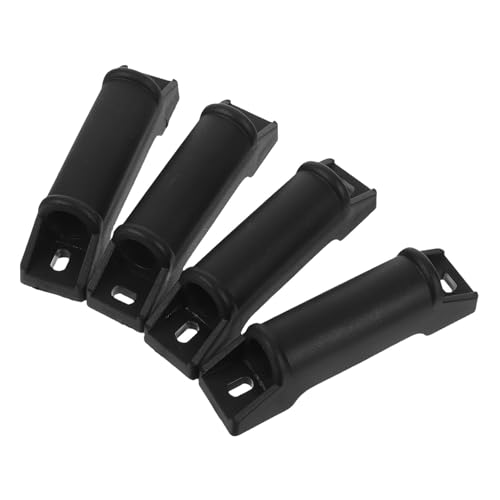
4 Pack Black Plastic Chair Footrest Sliders for Office Chairs | Easy Install Rail Glides for Recliners, Prevent Hand Injuries, Quick Assembly, Modern Style
Check price on Amazon
Recliner Foot Rest Extender for Long Legs, Recliner Footrest Extension | Foldable Extend Recliner Footrest For Better Leg Support, More Comfortable Lounging Position, Machine-washable Cover
Check price on Amazon
2pcs Recliner Footrest Sliders Plastic Replacement Attachment | Black Sturdy Construction, Easy Installation, Comfort Enhancement and Upgrade Part for Recliner Use
Check price on Amazon
Recliner Footrest Lock Slot Insert For La-Z-Boy Foot Lock Inserts 2-Pack | White Nylon, Left & Right Inserts, Replacement Part, No cutting or modification
Check price on Amazon
NCVEWIH Footrest Mechanism Part Compatible with La-Z-Boy Recliner Chair (Black 2PC)
Check price on Amazon
Gaming Chair Reclining Furniture Rail Pads 10 Pack Plastic | 12x4.5x3cm Guide Sleeves, Smooth Edges, Black Finish, for Sofa Recliner Footrests and Lounge Use
Check price on Amazon
CRAURU Wedge Recliner Cushion with Wave Shape Footrest for Long Sitting Elderly 35D High-Density Foam Ergonomic Recliner Pads with Non-Slip Bottom Footrest Extender Pillow with Elastic Straps
Check price on AmazonFrequently Asked Questions About Recliner Footrest Position
What is the best footrest position for sleeping in a recliner?
For sleeping, the best position is typically full extension with the backrest reclined to a comfortable angle. This allows your legs to rest fully supported and your spine to decompress. If you have acid reflux, a slightly elevated backrest with the footrest partially extended may be more comfortable. Pair with a supportive lumbar support for optimal alignment.
Should my feet hang off the footrest?
No. Your heels should rest comfortably on the footrest without hanging off the edge. If your feet hang off, the footrest is too short for your leg length. Consider a recliner with an extended footrest or use the partial extension position to keep your knees bent. A recliner size chart can help you find a model that fits your proportions.
How high should the footrest be for proper circulation?
For optimal circulation, the footrest should be elevated so that your feet are at or slightly above the level of your heart. This is the zero gravity position found in zero gravity recliners. Standard recliners typically elevate the feet to about knee height, which still provides some circulatory benefit compared to sitting with feet on the floor.
Can I adjust the footrest independently of the backrest?
It depends on the recliner. Some models link the footrest and backrest so they move together. Others, particularly power recliners, allow independent adjustment. Independent adjustment offers greater flexibility for finding your ideal ergonomic position. Review the recliner spec glossary to understand the terminology before you buy.
Why does my footrest feel uncomfortable after a while?
Discomfort after extended use usually indicates that the footrest position is not ideal for your body. Try adjusting the angle, adding a cushion, or switching to a different position. If the discomfort is due to hard cushioning, a higher-tier recliner with better foam density may help. The Comfort & Setup hub has more tips for optimizing your recliner experience.
How do I maintain the footrest mechanism?
Regular maintenance includes lubricating the pivot points, checking for loose screws, and keeping the mechanism free of dust and debris. A recliner mechanism repair guide provides a detailed maintenance schedule. For power recliners, avoid overextending the footrest and keep the motor area clean. A recliner humidity care guide can help prevent rust in humid climates.
Continue exploring: Learn more about related recliner topics in our comprehensive guides: