
Memory Foam Recliner Guide: Ultimate Comfort & Support
Discover how memory foam recliners deliver superior pressure relief, personalized comfort, and therapeutic support for your living room. Learn everything you need to choose the perfect one.
START EXPLORINGWhy Memory Foam? Memory foam recliners represent the pinnacle of personalized comfort. Unlike traditional cushioning, memory foam adapts to your body's unique shape, distributing weight evenly and relieving pressure points. This guide will help you understand if a memory foam recliner is right for you and how to select the best model for your needs.
What Is a Memory Foam Recliner?
A memory foam recliner is a reclining chair or sofa that incorporates viscoelastic foam—commonly known as memory foam—into its seat, backrest, and sometimes armrests. Originally developed by NASA in the 1960s to absorb shock and protect astronauts during liftoff, memory foam has since become a staple in premium bedding and furniture. Its unique cell structure reacts to body heat and pressure, molding itself to your contours and then slowly returning to its original shape once you get up.
In a recliner, memory foam is typically layered over a high-density foam base. This combination provides the best of both worlds: the supportive, durable foundation of high-density foam and the plush, adaptive comfort of memory foam. Whether you're reading, watching TV, or simply unwinding, a memory foam recliner can transform your relaxation experience.
Key Benefits of Memory Foam Recliners
Memory foam offers several distinct advantages over traditional cushioning materials. Understanding these benefits will help you decide if this type of recliner aligns with your comfort and health needs.
1. Superior Pressure Relief
One of the most celebrated benefits of memory foam is its ability to distribute body weight evenly. This reduces pressure on key areas such as the lower back, hips, and tailbone—areas that often bear the brunt of prolonged sitting. For individuals who experience discomfort after sitting for extended periods, a memory foam recliner can provide significant relief.
2. Personalized Support
Memory foam responds to your body's heat and weight, contouring to your unique shape. This means the recliner effectively customizes itself to you, offering support exactly where you need it. Whether you have a curved spine, broad shoulders, or specific areas of tension, memory foam adapts accordingly.
3. Motion Isolation
If you share your recliner or have a sectional with multiple seats, memory foam's motion isolation properties are a major plus. When one person moves, the foam absorbs the motion, preventing it from transferring to other parts of the furniture. This is particularly beneficial for recliner loveseats and sectional recliners.
4. Durability and Shape Retention
High-quality memory foam is dense and resilient. Unlike low-density foams that sag over time, premium memory foam retains its shape and supportive properties for years. When paired with a sturdy hardwood recliner frame, a memory foam recliner can remain comfortable and functional for a long time.
Editor's Note: While memory foam offers exceptional comfort, it's important to note that it can retain heat. If you tend to run warm, look for memory foam recliners with gel infusions or open-cell foam technology, which improve airflow and dissipate heat more effectively.
How Memory Foam Recliners Differ from Standard Recliners
To appreciate the value of a memory foam recliner, it helps to understand how it compares to a standard recliner. The table below outlines the key differences.
| Feature | Standard Recliner | Memory Foam Recliner |
|---|---|---|
| Cushioning Material | Conventional foam, polyester fiber, or down | Viscoelastic memory foam layered over high-density foam |
| Pressure Relief | Moderate; may create pressure points | Excellent; contours to body shape |
| Support | Even but not adaptive | Adaptive and personalized |
| Motion Isolation | Low | High |
| Heat Retention | Low to moderate | Moderate to high (unless gel-infused) |
| Break-In Period | Minimal | May require a short break-in period |
| Ideal For | General seating, occasional use | Extended sitting, therapeutic support, personalized comfort |
Who Should Consider a Memory Foam Recliner?
Memory foam recliners are not for everyone, but they are an excellent choice for a wide range of users. You may benefit from a memory foam recliner if you:
- Experience back or joint pain: The adaptive support of memory foam can alleviate pressure on the spine and joints, making it a popular choice for individuals with chronic discomfort.
- Sit for long periods: If you work from home, enjoy marathon movie sessions, or simply spend hours reading, memory foam helps prevent the soreness that can come from prolonged sitting.
- Value personalized comfort: Memory foam's ability to conform to your body means the recliner feels custom-made for you.
- Share your recliner: If you and a partner have different body types, memory foam accommodates both without compromising support.
- Want a therapeutic seating option: Many massage recliners and lift assist recliners feature memory foam for added comfort and support.
Types of Memory Foam Used in Recliners
Not all memory foam is created equal. Understanding the different types can help you make an informed decision.
Traditional Memory Foam
This is the classic viscoelastic foam that responds to heat and pressure. It offers excellent contouring and pressure relief but tends to retain heat. Traditional memory foam is dense and provides a slow, sinking feeling when you sit down.
Gel-Infused Memory Foam
Gel-infused memory foam incorporates gel beads or channels into the foam to improve airflow and dissipate heat. It retains the contouring benefits of traditional memory foam while sleeping cooler. This is an excellent option for warm sleepers or those living in hot climates.
Open-Cell Memory Foam
Open-cell memory foam has a more porous structure, allowing air to circulate more freely. It is typically more breathable and responsive than traditional memory foam, offering a cooler and slightly bouncier feel.
Plant-Based or Bio-Based Memory Foam
Some manufacturers use plant-based oils (such as soy or castor oil) to create memory foam. These foams are often marketed as eco-friendlier alternatives and can offer similar comfort and support properties.
Choosing the Right Memory Foam Recliner
When shopping for a memory foam recliner, consider the following factors to ensure you find the perfect match for your home and lifestyle.
1. Foam Density and Quality
Foam density is measured in pounds per cubic foot (PCF). Higher-density memory foam (typically 4 PCF or above) is more durable and supportive, while lower-density foam (2–3 PCF) is softer but may not last as long. For a recliner that will see daily use, aim for a density of at least 3.5 PCF, ideally 4 PCF or higher. This ensures the foam retains its shape and comfort over time.
2. Recliner Mechanism
Memory foam recliners are available with various mechanisms. Power vs manual recliner is a key decision. Power recliners offer effortless operation via a button or remote, while manual recliners use a lever or handle. If you have limited mobility, a power recliner sofa guide can help you understand the benefits. Additionally, consider the recliner motor guide for insights into motor durability and performance.
3. Upholstery Material
The upholstery covering your memory foam affects both comfort and maintenance. Options include:
- Leather: Premium look, easy to clean, and breathable. Explore leather recliner upholstery options.
- Faux Leather: A more affordable alternative that mimics the look of leather. See the faux leather recliner guide.
- Fabric: Soft and cozy, available in many colors and patterns. The performance fabric recliner guide covers durable, stain-resistant options.
- Microfiber: Soft, durable, and often more affordable. Learn more in the microfiber recliner guide.
4. Size and Seating Capacity
Memory foam recliners come in various sizes, from single recliner chairs to 3-seater recliner sofas. Measure your space carefully and consider the recliner size chart to ensure a proper fit. Also, check the recliner weight capacity guide to ensure the recliner can support all intended users.
5. Additional Features
Many modern memory foam recliners come with extra features that enhance comfort and convenience. These include:
- USB Charging Ports: Convenient for charging devices. See the recliner USB charging guide.
- Massage and Heat: Built-in massage nodes and heating elements. Explore the massage recliner guide.
- Lumbar Support: Adjustable lumbar support for personalized comfort. Read the recliner lumbar support guide.
- Zero Gravity: Reclines to a position that reduces pressure on the spine. Learn more in the zero gravity recliner guide.
Memory Foam Recliner Tiers: What to Expect
Memory foam recliners are available across a range of quality tiers. While we do not mention specific prices, understanding the general characteristics of each tier can help you set expectations.
Entry-Level
Entry-level memory foam recliners typically feature lower-density memory foam and basic mechanisms. They offer a taste of memory foam comfort but may not provide the same level of support or durability as higher-tier models.
Mid-Range
Mid-range models often use higher-density memory foam, more robust frames, and smoother mechanisms. They represent a balance between comfort, durability, and value. Many popular models fall into this tier.
Premium
Premium memory foam recliners feature high-density, gel-infused, or open-cell memory foam, premium upholstery (such as top-grain leather), and advanced features like power recline, USB ports, and massage functions.
Luxury
Luxury memory foam recliners are the epitome of comfort and craftsmanship. They use the finest materials, including full-grain leather and proprietary foam formulations, and may include custom features tailored to your preferences.
Pros and Cons of Memory Foam Recliners
Like any furniture choice, memory foam recliners have both advantages and drawbacks. Weighing these can help you decide if one is right for you.
Pros
- Exceptional pressure relief and contouring
- Personalized support for different body types
- Excellent motion isolation
- Durable and retains shape over time
- Ideal for therapeutic and extended seating
Cons
- Can retain heat (unless gel-infused or open-cell)
- May feel too soft or "sinking" for some users
- Higher-quality memory foam recliners are a significant investment
- May have a slight off-gassing odor initially
Care and Maintenance for Memory Foam Recliners
To keep your memory foam recliner in top condition, follow these care tips:
- Clean spills immediately: Memory foam can be damaged by moisture. Blot spills with a clean, dry cloth. For upholstery-specific cleaning, refer to the fabric recliner cleaning guide or leather recliner cleaning guide.
- Vacuum regularly: Use a vacuum with a brush attachment to remove dust and debris from the upholstery.
- Avoid direct sunlight: Prolonged exposure to sunlight can fade upholstery and degrade foam. See the recliner sunlight fade prevention guide.
- Rotate cushions: If your recliner has removable cushions, rotate them periodically to ensure even wear.
- Use a protective cover: Consider a recliner cover to protect against spills, pets, and general wear.
- Address odors: If your recliner develops an odor, follow the recliner odor removal guide.
Frequently Asked Questions About Memory Foam Recliners
How long does memory foam last in a recliner?
High-quality memory foam can last 5 to 10 years or more with proper care. Lower-density foams may begin to sag after 2 to 3 years of daily use. Choosing a recliner with high-density memory foam and a sturdy frame will maximize longevity.
Is memory foam good for back pain?
Yes, memory foam can be excellent for back pain. Its contouring properties help maintain proper spinal alignment and reduce pressure on the lower back. However, if you have a specific medical condition, consult with a healthcare professional before purchasing.
Does memory foam get hot?
Traditional memory foam can retain heat. However, gel-infused, open-cell, and plant-based memory foams are designed to be more breathable and cooler. If overheating is a concern, look for these advanced foam types.
Can I wash memory foam cushions?
No, memory foam should not be washed or submerged in water, as it can damage the foam structure. Instead, spot-clean the upholstery and vacuum the foam to remove dust. Always check the manufacturer's care instructions.
Are memory foam recliners worth it?
For many people, yes. If you value personalized comfort, pressure relief, and durability, a memory foam recliner is a worthwhile investment. They are particularly beneficial for those who sit for extended periods or experience discomfort with traditional cushions.
Final Thoughts: Is a Memory Foam Recliner Right for You?
Memory foam recliners offer a unique combination of comfort, support, and therapeutic benefits that set them apart from standard recliners. By contouring to your body and relieving pressure points, they can transform your daily relaxation routine into a genuinely restorative experience. Whether you're looking for a single recliner chair, a recliner sectional sofa, or a home theater recliner, memory foam is a feature worth considering.
As you shop, keep in mind the importance of foam density, mechanism type, upholstery material, and additional features. And don't forget to check the recliner buying mistakes guide to avoid common pitfalls. With the right memory foam recliner, you can create a comfortable, supportive, and stylish relaxation space in your home.
Ready to explore memory foam recliners? Check out our recommended products below to find the perfect one for your living room.
Recommended Memory Foam Recliners
⚠️ AFFILIATE DISCLOSURE: This website contains affiliate links. As an affiliate Associate, we earn from qualifying purchases. If you make a purchase through these links, we may receive a small commission at no additional cost to you. Read our full affiliate policy.
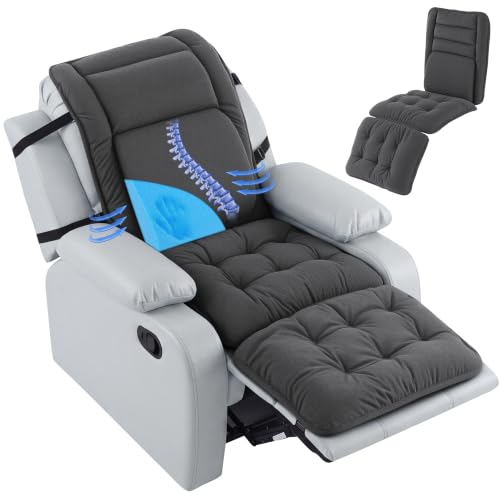
Extra Large Recliner Cushions for Elderly, Recliner Pad with Lumbar Support | Ergonomic Recliner Seat Cushion, Memory Foam, for Long Sitting, Back Relief, Washable Cover, Adjustable Strap
Check price on Amazon
varrisin 3-Fold Recliner Foam Seat Cushion with Backrest & Leg Pillow (Brown)
Check price on Amazon
varrisin 20x20x5inch Gel Memory Foam Recliner Cushions for Elderly Dual-Layer Gel Memory Foam Non-Slip with Handle
Check price on Amazon
ROYALAY Ergonomic Recliner Cushion with Lumbar Support for Elderly, Memory Foam Seat Cushion and Back Support Pillow for Long Sitting, Recliner Chair Cushion Set with Removable Washable Cover
Check price on Amazon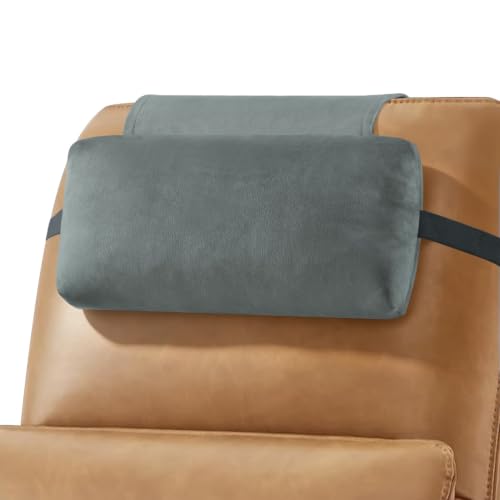
Head Recliner Pillow Adjustable Shredded Memory Foam Headrest Pillows for Recliner Chairs,Non-Slip Velvet Cushion for Pain Relief Neck Support Pillow for Travel Home Sofa Armchair with Zipper Cover
Check price on Amazon
Shinnwa Gel Memory Foam Recliner Cushion for Elderly, Extra Large Seat Cushion, Dual-Layer Foam Chair Pad for Couch, Armchair, Wicker Chairs, Floor, 20 × 20 × 5in, Light Gray
Check price on Amazon
2-in-1 Recliner Foot Rest Cushion with Detachable Semi-Cylindrical Pillow, Multi-Functional Leg Support Pillow for Recliner and Sofa, High-Density Foam with Non-Slip Bottom
Check price on Amazon