
Recliner Wall Clearance Guide: The Complete Setup Manual
Discover exactly how much space your recliner needs from the wall. Learn the difference between standard and wall-hugger models, and get expert tips for a safe, functional, and beautiful living room layout.
START PLANNINGWhy Wall Clearance Matters: A recliner is an investment in comfort, but without proper wall clearance, it can become a source of frustration. Too little space can damage your wall, strain the recliner's mechanism, and limit your relaxation. This guide will help you get it right the first time.
Understanding Recliner Wall Clearance
Wall clearance is the distance a recliner needs from the wall behind it to fully recline without obstruction. This measurement is critical because it determines not only where you can place your furniture but also the long-term health of your recliner's mechanism. Standard recliners require significant space to operate, while specialized models are designed to minimize this footprint. Understanding the mechanics of your recliner frame and how it interacts with the wall is the first step toward a successful setup.
The required clearance depends on the type of recliner mechanism. A traditional recliner often needs a considerable gap, whereas a wall-hugger model is engineered to glide forward rather than backward, drastically reducing the necessary space. Before you purchase any recliner, consulting a recliner size chart and measuring your room is essential. Failing to account for this can lead to one of the most common recliner buying mistakes: bringing home a beautiful piece of furniture that simply doesn't fit your space.
How Much Wall Clearance Does Your Recliner Need?
There is no single answer to this question, as clearance requirements vary by model and mechanism. However, general guidelines can help you plan. Standard manual and power recliners typically require a significant buffer zone—often several inches to over a foot—to allow the backrest to tilt. In contrast, a wall-hugger recliner, also known as a zero-wall recliner, needs only a few inches. This makes them an excellent choice for smaller living rooms or for placing furniture in a corner placement.
Power recliners can sometimes require slightly more clearance than manual ones due to the motorized mechanism, but this is not always the case. The specific design of the recliner motor and the geometry of the frame dictate the final requirement. Always check the manufacturer's specifications for the exact model you are considering. If you are comparing options, a guide like Power vs Manual Recliner can help you understand the functional differences that impact space.
The Advantage of Wall-Hugger Recliners
If space is at a premium, a wall-hugger recliner is your best friend. Unlike standard recliners that push the entire chair backward to recline, wall-huggers are designed with a mechanism that slides the seat forward while the backrest reclines. This means you can place them just a few inches from the wall. For anyone dealing with a tight layout, this is a game-changer. It allows you to enjoy the full comfort of a recliner without sacrificing valuable floor space or blocking walkways. This is especially useful when planning your recliner living room layout.
When considering a wall-hugger, it's helpful to compare it directly with a standard model. A detailed comparison like Wall Hugger vs Standard Recliner can illuminate the trade-offs in terms of space, comfort, and mechanism complexity. While wall-huggers are excellent for small spaces, some users find that standard recliners offer a slightly deeper recline. Your choice will depend on your priority: maximum space efficiency or a specific reclining feel. For more specialized needs, you might also explore a Zero Gravity vs Standard Recliner comparison, as zero-gravity models also have unique spatial requirements.
Step-by-Step: Measuring for Wall Clearance
Accurate measurement is the key to a successful recliner installation. Start by identifying the exact spot where you want your recliner. Use a tape measure to find the distance from the wall to the front edge of where the recliner will sit. Then, look up the manufacturer's specified clearance requirement for the recliner you plan to buy. If you are still in the research phase, a comprehensive recliner room measurement guide can provide a framework. Remember to account for any baseboards, window sills, or radiators that might protrude from the wall. These obstacles can effectively increase the required clearance.
Don't forget to consider the space needed when the recliner is fully extended. A recliner footrest can add significant length to the chair, potentially encroaching on walkways. This is where a recliner flow traffic guide becomes invaluable, helping you ensure that your relaxation zone doesn't become a roadblock for the rest of the household. Planning for the fully reclined position is non-negotiable for both safety and functionality.
Installation Tips for Optimal Wall Clearance
Once you've chosen the right recliner and measured your space, proper installation is the final step. For power recliners, ensure that the recliner electrical setup guide is followed to avoid cable strain when the chair moves. Cables should have enough slack to accommodate the reclining motion without pulling taut. A recliner cable management guide can help you keep things tidy and safe. If your recliner feels unstable or wobbly, it may need to be leveled. The recliner leveling guide offers practical solutions for a perfectly stable chair.
After installation, test the recliner through its full range of motion. Listen for any unusual sounds, like grinding or squeaking, which could indicate a clearance issue. If you notice any, consult a recliner squeak fix guide for troubleshooting. Addressing these issues early can prevent long-term damage to the mechanism. Proper clearance is not just about space; it's about preserving the life and performance of your furniture.
Balancing Clearance with Style and Comfort
Wall clearance isn't just a technical requirement; it's also a design opportunity. A well-planned layout can make your recliner the focal point of a cozy reading nook or a home theater setup. If you're designing a dedicated entertainment space, consider the principles in a home theater recliner guide. The right clearance ensures everyone has a perfect view. For those who love to read, a recliner reading light guide can help you integrate lighting without cluttering the space around your chair.
Don't forget the finishing touches. A recliner side table guide can help you choose a table that fits within your clearance plan, providing a spot for drinks and remote controls. An recliner rug placement guide can help define the zone without interfering with the recliner's movement. When everything is considered together, you create a space that is not only functional but also beautiful and inviting. The ultimate goal is a harmonious blend of form and function, where your recliner comfort and setup work in perfect unison.
Recommended Wall-Hugger & Space-Saving Recliners
⚠️ AFFILIATE DISCLOSURE: This website contains affiliate links. As an affiliate Associate, we earn from qualifying purchases. If you make a purchase through these links, we may receive a small commission at no additional cost to you. Read our full affiliate policy.

MisUMis RV Loveseat Recliner Sofa, Wall Hugger Reclining Loveseat RV Couch with USB Ports, Cup Holders, Pockets, 150° Adjustable RV Furniture Velvet Fabric Recliners for Travel & Home Theater Seating
Check price on Amazon
Reclining Loveseat Sofa, RV Loveseat Recliner Wall Hugger Couch, Home Theater Seating, Massage Loveseat with Console, USB & Type-C Ports, Storage Armrests for Living Room, Camper, Game Room, Man Cave
Check price on Amazon
Reclining Loveseat Sofa w/ LED Lights, RV Loveseat Recliner Wall Hugger Couch with Center Console, Side USB & Type-C Ports, Massage, Storage & Cup Holders, Home Theater Seating for Living Room Camper
Check price on Amazon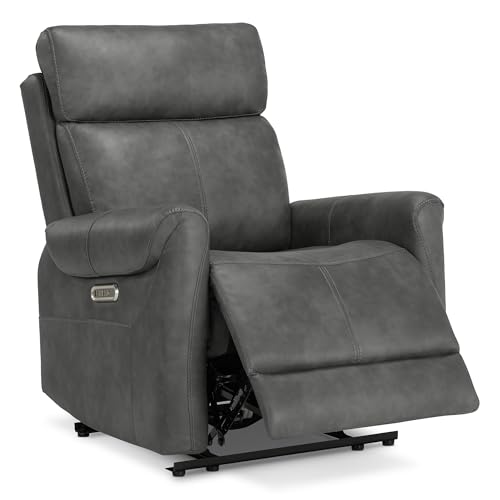
KISLOT Wall Hugger Recliner Chair, Faux Leather Power Reclining, Grey, 1PC | USB Charging Ports, Electric RV Recliner, Home Theater Seating, Living Room, Bedroom
Check price on Amazon
CANMOV Manual Recliner Single Sofa, Wall-Hugger Reclining Couch, Upholstered Sofa Chair with Armrests, Fabric Reclining Couch with Soft Cushion for Living Room (Brown, 36" W)
Check price on Amazon
AKACHPER 2-Prong AC/DC Adapter for FBS Model PSK651 Lift Chair Power Supply Cord Charger Mains PSU
Check price on Amazon
RecPro Charles 67in Powered RV Wall Hugger Recliner Loveseat, Fossil Cloth | 4" Wall Clearance, Center Storage Console, Dual Cup Holders, Built in USB Charging
Check price on AmazonFrequently Asked Questions About Recliner Wall Clearance
How much clearance does a standard recliner need from the wall?
A standard recliner typically needs a clearance of several inches to over a foot, depending on the model. Always check the manufacturer's specific requirements for your recliner. Wall-hugger models require significantly less space.
Can I put a recliner directly against the wall?
Only if it is a wall-hugger or zero-wall recliner specifically designed for that purpose. Placing a standard recliner against the wall will prevent it from reclining fully and can damage both the wall and the recliner's mechanism.
Do power recliners need more wall clearance than manual recliners?
Not necessarily. The clearance requirement is determined by the frame design, not the power source. Some power recliners need the same or even less space than manual ones. Always verify the specifications for the exact model you are considering.
What is the main benefit of a wall-hugger recliner?
The main benefit is space efficiency. Wall-hugger recliners slide forward to recline, requiring only a few inches of clearance from the wall. This makes them ideal for small living rooms, apartments, or any space where furniture placement is tight.