
Home Theater Recliner Guide: Transform Your Movie Nights
Discover how to choose the perfect recliner for your home cinema. From power mechanisms to premium upholstery, we cover everything you need to create the ultimate viewing experience.
START YOUR JOURNEYWhy a Dedicated Home Theater Recliner Matters
Creating a home theater isn't just about the screen and sound system. The seating you choose determines whether you can truly immerse yourself in a film for hours without discomfort. A standard sofa may work for casual viewing, but a home theater recliner is engineered for extended relaxation, proper ergonomics, and optimal viewing angles.
Unlike general-purpose recliners, home theater models are designed with specific features: wall-hugger mechanisms to save space, power recline with USB charging, and premium cushioning that supports your body during long movie marathons. Whether you're building a dedicated cinema room or upgrading your living room, this guide will walk you through every decision.
For those just starting their research, our First Recliner Sofa Checklist provides a solid foundation. But if you're ready to dive deep into home theater specifics, keep reading.
Types of Home Theater Recliners
Not all recliners are created equal. The mechanism, configuration, and materials vary significantly, and your choice should align with your room size, viewing habits, and budget tier. Here are the primary categories:
Manual Recliners
Operated by a lever or handle, these are the most straightforward and reliable. They offer excellent value for occasional movie watchers.
Best for: Budget-conscious buyers, secondary media rooms.
Power Recliners
Motorized recline at the touch of a button. Often include USB ports, home button, and smooth, quiet operation.
Best for: Frequent users, those with mobility concerns.
Wall Hugger Recliners
Require only a few inches of wall clearance. Perfect for smaller home theaters where space is at a premium.
Best for: Compact rooms, rows close to the wall.
Power Headrest & Lumbar
Independently adjustable headrest and lumbar support for personalized comfort. Often paired with zero-gravity positions.
Best for: Enthusiasts seeking ultimate customization.
Choosing the Right Seating Configuration
The number of seats and layout depends on your room dimensions and how you host. Here are the most common home theater configurations:
- Single Recliner: Ideal for solo viewers or as a focal "director's chair." Explore our Swivel Recliner Guide for models that combine rotation with recline.
- Recliner Loveseat: Perfect for couples. A Recliner Loveseat Guide will help you find one with dual controls.
- 3-Seater Recliner Sofa: The classic family choice. See our 3-Seater Recliner Sofa Guide for layout tips.
- Recliner Sectional: Best for large rooms and flexible seating. A Recliner Sectional Sofa Guide covers L-shape and U-shape options.
- Modular Recliner: Customizable pieces that can be rearranged. Check our Modular Recliner Sofa Guide for configuration ideas.
For dedicated home theaters, row seating is common. You might combine a recliner loveseat in the front with a 3-seater in the back. Always account for recline clearance—our Recliner Wall Clearance Guide is essential reading.
Essential Features for a True Home Theater Experience
Beyond basic recline, these features separate a good home theater recliner from a great one:
1. Power Mechanism & Controls
A smooth, quiet motor is crucial. Look for models with a quality recliner motor and intuitive remote control. Some premium models offer memory presets, allowing you to return to your favorite position instantly.
2. USB Charging & Connectivity
Modern home theater recliners often include USB ports to charge devices. Our Recliner USB Charging Guide explains the different types and speeds.
3. Headrest & Lumbar Adjustability
An adjustable headrest ensures your neck is supported when reclined. Similarly, lumbar support prevents lower back strain. See our Headrest Adjustment Guide and Lumbar Support Guide.
4. Footrest Ergonomics
The footrest should extend fully and support your legs without pressure points. Read our Recliner Footrest Guide and Footrest Position Guide.
5. Battery Backup
Power outages shouldn't trap you in a reclined position. A battery backup is a smart investment.
Materials & Upholstery for Home Theater Recliners
The upholstery affects comfort, durability, and maintenance. Here's a quick breakdown of common options:
Leather
Types: Full Grain, Top Grain, Bonded, Faux.
Pros: Luxurious feel, easy to clean, durable.
Cons: Can be warm, higher cost for premium tiers.
Fabric
Types: Microfiber, Linen, Velvet, Performance Fabric.
Pros: Breathable, variety of colors, cozy.
Cons: Stains can be harder to remove.
For a deeper dive, visit our Materials & Upholstery Hub. If you're comparing leather vs fabric, see Leather or Fabric Recliner Comparison.
Frame & Filling
A hardwood frame or metal frame ensures longevity. For cushioning, consider memory foam or high-density foam. Down-filled cushions offer plushness but require more maintenance.
Room Layout & Setup for Home Theater Recliners
Proper placement is critical for both comfort and safety. Follow these guidelines:
- Measure Your Room: Use our Recliner Room Measurement Guide to plan.
- Wall Clearance: Standard recliners need 12-18 inches; wall huggers need only 3-5 inches. See Wall Clearance Guide.
- Traffic Flow: Ensure walkways are at least 30 inches wide. Our Flow Traffic Guide explains more.
- Corner Placement: Use corners for angled viewing. Read Corner Placement Guide.
- Living Room Layout: For open-plan spaces, see Living Room Layout Guide.
Lighting & Ambience
Control glare with dimmable lights. A reading light can be useful for intermissions. Add a side table for snacks and remotes. Consider a rug to anchor the space. For overall mood, see Room Ambience Guide.
Assembly & Electrical
Most recliners require some assembly. Our Assembly Guide walks you through it. For power models, plan your electrical setup and cable management. Ensure the recliner is level with our Leveling Guide.
Care & Maintenance for Longevity
To keep your home theater recliner in top condition:
- Cleaning: Use our Leather Cleaning Guide or Fabric Cleaning Guide.
- Stain Removal: Act quickly with our Stain Removal Guide.
- Conditioning: Leather needs periodic conditioning—see Conditioning Guide.
- Odor Removal: For musty smells, read Odor Removal Guide.
- Mechanism Care: Lubricate moving parts as per Mechanism Repair Guide. Fix squeaks with Squeak Fix Guide.
- Seasonal: Protect from humidity (Humidity Care), summer heat (Summer Heat Protection), winter moisture (Winter Moisture Control), and sunlight fade (Sunlight Fade Prevention). Prevent mold with Mold Prevention Guide.
For a complete overview, visit our Care & Maintenance Hub.
Shopping Tips & Recommendations
Before you buy, avoid common pitfalls. Read our Recliner Buying Mistakes. Understand specs with the Recliner Spec Glossary. Check our Recliner Size Chart and Purchase Timeline.
Browse by tier: Affordable Recliner Picks, Mid-Range Recliner Picks, or Luxury Recliner Collections. Consider pre-owned for value. Check the Sale Calendar for timing.
For curated lists, see Highest Rated Recliners, Editor's Choice, Community Favorites, and New Releases.
Frequently Asked Questions
How much space do I need behind a home theater recliner?
Standard recliners need 12-18 inches; wall huggers need 3-5 inches. Always measure your room and check the manufacturer's specs.
Is leather or fabric better for a home theater?
Leather is easier to clean and more luxurious; fabric is more breathable and comes in more colors. Both work well—consider your climate and maintenance preferences.
Do I need a power recliner for a home theater?
Not necessarily, but power recliners offer smoother operation, USB charging, and often better ergonomics. Manual recliners are more affordable and reliable.
How many seats should I get?
Depends on room size and typical audience. A loveseat for couples, a 3-seater for families, or modular pieces for flexibility.
Can I use a regular recliner in a home theater?
Yes, but dedicated home theater recliners often have better features like wall-hugger mechanisms and enhanced lumbar support.
Recommended Home Theater Recliners
⚠️ AFFILIATE DISCLOSURE: This website contains affiliate links. As an affiliate Associate, we earn from qualifying purchases. If you make a purchase through these links, we may receive a small commission at no additional cost to you. Read our full affiliate policy.

Fogun Lightweight Heavy Duty Lift Chair Motor with Quiet Linearity Rails Systems Tool Less Setup for Home Theater Recliners Linearity Guide Motor
Check price on Amazon
Lightweight Heavy Duty Plastic Lift Chair Motor with Quiet Linearity Rails Systems Tool Less Setup for Home Theater Recliners Precise Linearity Guide Motor
Check price on Amazon
SHYYOULQE Quiet Motorized Recliner Lift Chair Linearity Guide Slider for Quiet Height Construction Tool Less Installation Linearity Guide Slider for Recliner
Check price on Amazon
SHYYOULQE Recliner Actuator Track Slider with White Molded Guide Body | Molded Body Guide, Curved Multi-Channel Form, Replacement Slider for a Recliner or Lift-Chair Actuator Track
Check price on Amazon
Recliner Club Chair Furniture Swivel Base Conversion Cross Tube 15 5/8 inch Set of 2
Check price on Amazon
SVORTEKA Lightweight Heavy Duty Lift Chair Motor with Quiet Linearity Rails Systems Tool Less Setup for Home Theater Recliners Electric Lift Chair Motor
Check price on Amazon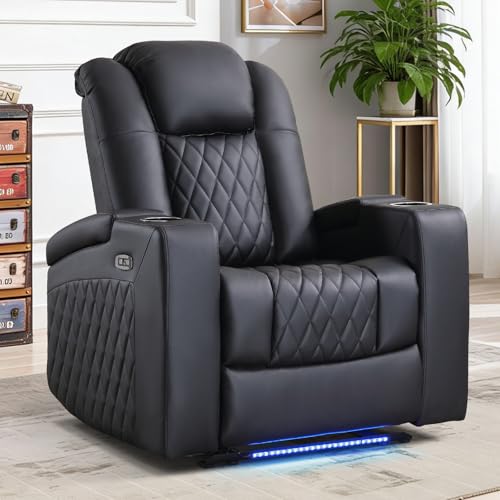
ANJ Home Theater Seating Power Recliner with Hidden Arm Storage, Faux Leather Recliners with LED Light, Electric Movie Reclining Chairs with USB Ports & Cup Holders for Media Living Room, Black
Check price on Amazon