
Recliner Sofa Release Pull Handle: The Complete Guide
Everything you need to know about manual recliner pull handles — how they work, common failure signs, repair techniques, and how to choose the right replacement for your recliner sofa.
Why the release pull handle matters: For millions of manual recliner owners, the pull handle is the single point of contact between you and your chair's comfort mechanism. When it works smoothly, you barely notice it. When it stiffens, sticks, or snaps, your entire relaxation experience grinds to a halt. This guide is designed for homeowners, DIY repair enthusiasts, and shoppers evaluating manual recliners who want to understand exactly what they are buying — and how to keep it working for years.
What Is a Recliner Sofa Release Pull Handle?
A recliner sofa release pull handle is the manual control mechanism used to release the footrest and recline the backrest on a manual recliner sofa. Unlike power recliner sofas that rely on an electric motor activated by a button or remote, manual recliners depend on a mechanical linkage system. The pull handle is the user-facing component of that system — the part you grip and pull to trigger the release.
Inside the recliner, the handle connects to a cable or a direct lever arm. When you pull the handle, the cable tension releases a locking pawl in the recliner mechanism, allowing the footrest to spring forward and the backrest to recline. Releasing the handle at the desired position locks the mechanism in place. This simple but effective design has made manual recliners a staple in living rooms for decades, prized for their reliability and independence from electrical outlets.
Types of Recliner Release Pull Handles
Not all pull handles are created equal. The type of handle on your recliner affects ergonomics, durability, and repair complexity. Here are the most common styles you will encounter:
Strap or Loop Handle
The most traditional design. A fabric or leather strap loop protrudes from the side of the recliner, usually between the seat cushion and the armrest. You pull the strap upward to release the mechanism. Strap handles are common on entry-level and mid-range manual recliners because they are inexpensive to manufacture and easy to replace. However, fabric straps can fray over time, and leather straps may stiffen in dry climates.
Lever Handle
A rigid lever made of metal or heavy-duty plastic, typically mounted on the side of the recliner. You push the lever down or pull it up to release the footrest. Lever handles offer a more premium feel and are often found on mid-range to high-end manual recliners. They are more durable than straps but can develop squeaks or loosen at the mounting point.
Trigger or Paddle Handle
A smaller, recessed handle often hidden inside the armrest or between the seat and arm. You squeeze or pull a trigger-style paddle to activate the release. This design is popular on space-saving recliners and wall hugger recliner models where a protruding lever would be impractical. Trigger handles require more precise alignment and are slightly harder to replace.
Cable-Actuated Handle
Some recliners use a pull handle connected to a flexible steel cable, similar to a bicycle brake cable. The handle itself may be a small T-bar or ring pull. This design allows the handle to be positioned anywhere on the recliner, offering greater design flexibility. Cable-actuated systems are common on recliner loveseats and recliner sectionals where the release point needs to be centralized.
How the Pull Handle Mechanism Works
Understanding the internal mechanics helps you diagnose problems and communicate effectively with repair technicians or parts suppliers. Here is the sequence of events when you pull the handle on a typical manual recliner:
- You grip and pull the handle. The handle moves through a short arc, typically 2 to 4 inches of travel.
- The cable or lever arm transfers force. If your recliner uses a cable, the inner wire pulls taut inside its housing. If it uses a direct lever, the arm pivots on a fulcrum point.
- The release pawl disengages. At the recliner mechanism, a spring-loaded pawl (a small metal catch) is pulled away from the gear or slot that holds the footrest retracted.
- The footrest springs forward. A torsion spring or counterbalance spring pushes the footrest extension outward. You can now lean back to recline the backrest.
- Release the handle to lock. When you let go of the handle, the pawl re-engages with the nearest locking slot, holding the recliner in your chosen position. This is why manual recliners offer discrete recline positions rather than infinite adjustment.
The entire system relies on proper cable tension, clean pivot points, and a straight, unobstructed path for the cable. Any of these factors can cause the handle to feel stiff, sticky, or completely unresponsive.
Pull Handle vs. Other Recliner Controls
If you are still deciding between a manual and a power recliner, this comparison table will help clarify the trade-offs. Remember that each control type suits different lifestyles and living situations.
| Control Type | How It Works | Best For | Maintenance Level |
|---|---|---|---|
| Release Pull Handle | Manual pull strap or lever connected to cable or direct linkage | Budget-conscious buyers, DIY repair enthusiasts, households without easy outlet access | Low to moderate — occasional lubrication and cable adjustment |
| Power Button / Remote | Electric motor activated by wired remote or wireless control | Users with mobility limitations, tech-forward living rooms, home theater recliner setups | Moderate — motor and wiring checks, battery replacement for wireless remotes |
| Push-Back Recliner | No handle — you push back with body weight to recline, pull legs up manually | Minimalist designs, single recliner chairs, users who prefer hands-free operation | Low — fewer moving parts, but mechanism still needs periodic inspection |
| Lift Assist Control | Motorized lift mechanism with hand control, often includes reclining function | Seniors, individuals with knee or hip concerns, lift assist recliner users | Moderate to high — motor, battery backup, and control unit require attention |
Common Pull Handle Problems and Warning Signs
Pull handles are remarkably durable, but they do wear out. Recognizing the early warning signs can save you from a sudden failure during your favorite movie night. Here are the most common issues reported by manual recliner owners:
Stiff or Sticky Pull
The handle requires excessive force to move, or it feels gritty. This is usually caused by a dry cable, debris in the cable housing, or a misaligned lever arm. Lubricating the cable with a silicone-based lubricant often restores smooth operation.
Handle Pulls Freely with No Resistance
If the handle moves without engaging the mechanism, the cable has likely snapped or become disconnected from the release pawl. This is a clear sign that the cable or the handle assembly needs replacement.
Loose or Wobbly Handle
A handle that wiggles side-to-side usually has a loose mounting screw or a cracked mounting bracket. Tightening the screw may fix it, but if the plastic or metal is cracked, replacement is necessary.
Footrest Won't Stay Down
If the footrest pops open on its own, the release pawl may not be fully engaging. This can be caused by a stretched cable that no longer allows the pawl to seat properly in its locking slot.
Squeaking or Grinding Noise
Noise when pulling the handle often originates from the cable rubbing against its housing or from metal-on-metal contact at the pivot point. A few drops of lubricant at the pivot can silence the noise.
Handle Snaps or Breaks
Plastic handles can become brittle with age and snap under force. Metal handles may bend or fatigue. A broken handle requires a replacement part matched to your recliner model.
Repair or Replace? A Decision Guide
Before you order a new handle, determine whether a simple repair can solve the problem. Many pull handle issues are minor and can be resolved in under an hour with basic tools. Use this guide to decide:
- Try lubrication first. If the handle is stiff but still functional, apply a silicone or graphite lubricant to the cable and pivot points. Avoid oil-based lubricants that attract dust.
- Check the cable connection. If the handle pulls freely, inspect where the cable connects to the release pawl. Sometimes the cable has simply slipped out of its retainer clip and can be reattached.
- Tighten mounting hardware. A wobbly handle is often just a loose screw. Tighten it gently — over-tightening can strip the threads in plastic housings.
- Replace the cable if frayed. A frayed or kinked cable will never operate smoothly. Cable replacement kits are available for most recliner models and are a worthwhile investment.
- Replace the handle if cracked or bent. A cracked plastic handle or a bent metal lever will fail again. Order a replacement that matches your recliner's brand and model number.
If you are uncomfortable working with mechanical components, consider consulting a furniture repair professional. However, for confident DIYers, pull handle replacement is one of the most approachable recliner repairs. For more advanced mechanical issues, refer to our recliner mechanism repair guide.
How to Choose the Right Replacement Pull Handle
Recliner pull handles are not universal. Before ordering a replacement, gather the following information:
- Identify your recliner brand and model. Check the label under the seat cushion, on the frame, or in the owner's manual. Brand-specific parts ensure a proper fit.
- Measure the handle and cable. Note the handle length, cable length, and the type of connector at the mechanism end. Some cables have a loop end, others have a barrel fitting.
- Match the handle style. Strap, lever, trigger, and T-bar handles are not interchangeable. Order the same style as your original handle.
- Check the mounting orientation. Handles can mount on the left or right side of the recliner. Verify which side your recliner uses.
- Consider an upgrade. If your original handle was plastic and prone to breaking, look for a metal replacement handle or a reinforced strap for greater durability.
Many recliner manufacturers sell replacement handle kits directly. Aftermarket suppliers also offer universal fit kits that include multiple connector types. If you are replacing the handle on a 2-seater recliner sofa or a 3-seater recliner sofa, verify whether each seat uses an independent handle or a shared mechanism.
Maintenance Tips to Extend Pull Handle Life
Preventive care is the best way to avoid unexpected handle failures. Incorporate these simple habits into your recliner care routine:
- Lubricate the cable and pivot points every 6 to 12 months with a silicone-based lubricant.
- Avoid yanking the handle with excessive force — a smooth, firm pull is all that is needed.
- Keep the area around the handle free of crumbs, pet hair, and debris that can work into the cable housing.
- Inspect the handle and cable for signs of wear during your seasonal cleaning routine.
- If you live in a humid climate, check for rust on metal components and apply a protective coating if needed. Our recliner humidity care guide covers this in detail.
- For leather recliners, condition the upholstery regularly to prevent the leather near the handle from drying and cracking. See our leather recliner cleaning guide for step-by-step instructions.
What to Look for When Shopping for a Manual Recliner
If you are in the research phase and have not yet purchased your recliner, the pull handle is one of the details worth examining before you buy. Here is what to check:
Handle Ergonomics
Test the handle in the showroom if possible. Does it fall naturally to hand? Is the pull motion smooth and intuitive? A well-designed handle should require minimal effort and not force your wrist into an awkward angle.
Build Quality
Metal levers generally outlast plastic ones. Fabric straps should be thick and tightly woven. Check that the handle mounting feels solid, with no wobble or flex.
Cable Routing
On cable-actuated models, ask how the cable is routed. A cable that bends sharply or rubs against the frame will wear out faster. A smooth, protected path extends cable life.
Replacement Part Availability
Before buying, confirm that replacement handles and cables are available for the model you are considering. This is especially important for mid-range and premium recliners where proprietary parts may be harder to source.
Beyond the Handle: Related Comfort Factors
The pull handle is just one part of a comfortable manual recliner. When evaluating a recliner for long-term satisfaction, consider these related components:
- Recliner footrest design — how smoothly it extends and retracts.
- Lumbar support — essential for preventing back strain during extended reclining.
- Headrest adjustability — important for reading or watching television while reclined.
- Weight capacity — ensures the mechanism and handle are rated for the user's size.
- Seat depth — affects how far you must reach for the handle and how comfortable the recline position feels.
If you are still comparing recliner types, our recliner sofa types hub provides a comprehensive overview of every major category, from zero gravity recliners to swivel recliners.
Frequently Asked Questions
Why is my recliner pull handle stuck or hard to pull?
A stiff or stuck pull handle is often caused by a dry or misaligned cable, debris in the mechanism, or a bent release lever. Lubricating the cable with a silicone-based lubricant and checking for obstructions usually resolves the issue. If the handle still will not move, the cable may be kinked and require replacement.
Can I replace a recliner pull handle myself?
Yes, replacing a pull handle is a common DIY repair. Most handles are attached with screws or a single bolt. You can order a replacement handle kit that matches your recliner model and install it with basic tools. The most important step is matching the cable connector type and handle style to your original part.
What is the difference between a pull handle and a lever handle?
A pull handle is typically a strap or loop that you pull upward to release the footrest. A lever handle is a rigid metal or plastic lever that you push down or pull up. Both serve the same function but differ in ergonomics, durability, and the recliner models they appear on. Lever handles are generally more durable, while strap handles are more affordable to replace.
How do I know if my recliner cable or handle is broken?
If the handle pulls freely without any resistance and the footrest does not move, the cable is likely broken or disconnected from the release pawl. If the handle feels loose or wobbly, the handle itself may be cracked or the mounting screw may be stripped. In either case, a visual inspection behind the recliner's side panel will confirm the issue.
Can I upgrade a plastic pull handle to a metal one?
In many cases, yes. If your recliner uses a cable-actuated system, you can often replace a plastic T-bar or trigger handle with a metal equivalent as long as the cable connector matches. For direct-lever systems, the mounting bracket must align with the replacement handle's pivot point. Check with your recliner manufacturer or a universal parts supplier for compatible upgrade options.
How often should I lubricate the pull handle mechanism?
For most households, lubricating the cable and pivot points once every 6 to 12 months is sufficient. If you use your recliner daily, or if you live in a dry or dusty climate, consider lubricating every 4 to 6 months. Always use a silicone-based or graphite lubricant rather than oil, which can attract dust and gum up the cable over time.
Ready to Upgrade Your Recliner Experience?
Whether you need a replacement pull handle or you are shopping for a brand-new manual recliner sofa, we have curated the best options for every comfort preference and quality tier.
Browse Recommended Recliner SofasRecommended Recliner Sofas with Release Pull Handles
⚠️ AFFILIATE DISCLOSURE: This website contains affiliate links. As an affiliate Associate, we earn from qualifying purchases. If you make a purchase through these links, we may receive a small commission at no additional cost to you. Read our full affiliate policy.
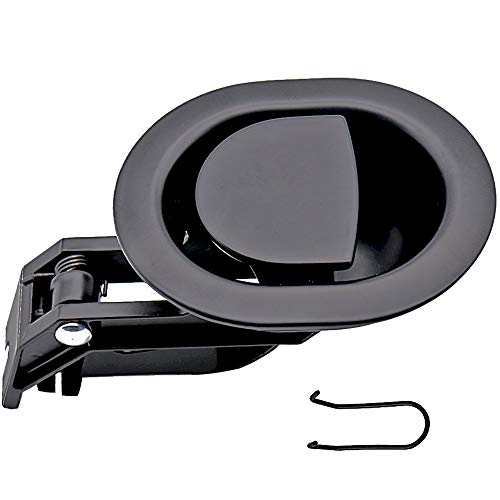
ttmagic Universal Heavy-Duty Metal Sofa Chair Recliner Release Pull Handle Replacement Parts, Fits Ashley, Lazy Boy and Most Recliner Brands, 3.5"L x 3"W x 1.2"H Handle Size
Check price on Amazon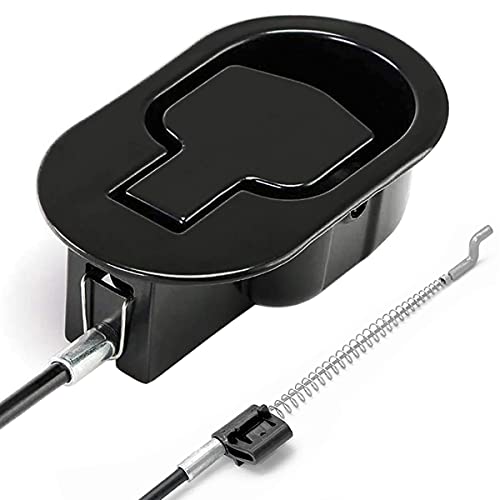
ttmagic Metal Recliner Handle Replacement Parts with Cable, Universal Recliner Sofa Chair Couch Release Lever Pull Handle, Fits Ashley and Major Recliner Brands, Exposed Cable Length 4.9“
Check price on Amazon
Komokeru 2 Pack Recliner Cable Replacement Sofa Recliner Parts, D-Ring Release Pull Handle for Couch Sofa Recliner Repair, Exposed Length 4.72" with S Tip
Check price on Amazon
KUANYUOO Sturdy Universal All-Metal Sofa Chair Recliner Release Pull Handle Replacement Parts, Fits Ashley, Lazy Boy and Most Manufacturer Brand, Handle Size 3" x 3.5", Heavy-Duty Zinc Alloy
Check price on Amazon
ttmagic Sofa Chair Recliner Release Pull Handle 3" by 3.5" Replacement Parts with Cable, Fits Ashley Lazy Boy and Most Recliner Brands Couch Sofa Chair Furniture, Exposed Cable Length 4.9"
Check price on Amazon
ttmagic 2Pcs Universal Couch Recliner Release Pull Handle 3" by 3.5" Replacement Parts with Cable, Fits Ashley Lazy Boy and Most Recliner Sofa Brands, Exposed Cable Length 4.9"
Check price on Amazon
ttmagic 2Pcs Universal Heavy-Duty Metal Sofa Chair Recliner Release Pull Handles Replacement Parts, Fits Ashley, Lazy Boy and Most Recliner Brand, Recliner Handle Size 3" x 3.5"
Check price on Amazon